
Why Water Damage Returns Weeks After Cleanup and How to Prevent It
Introduction
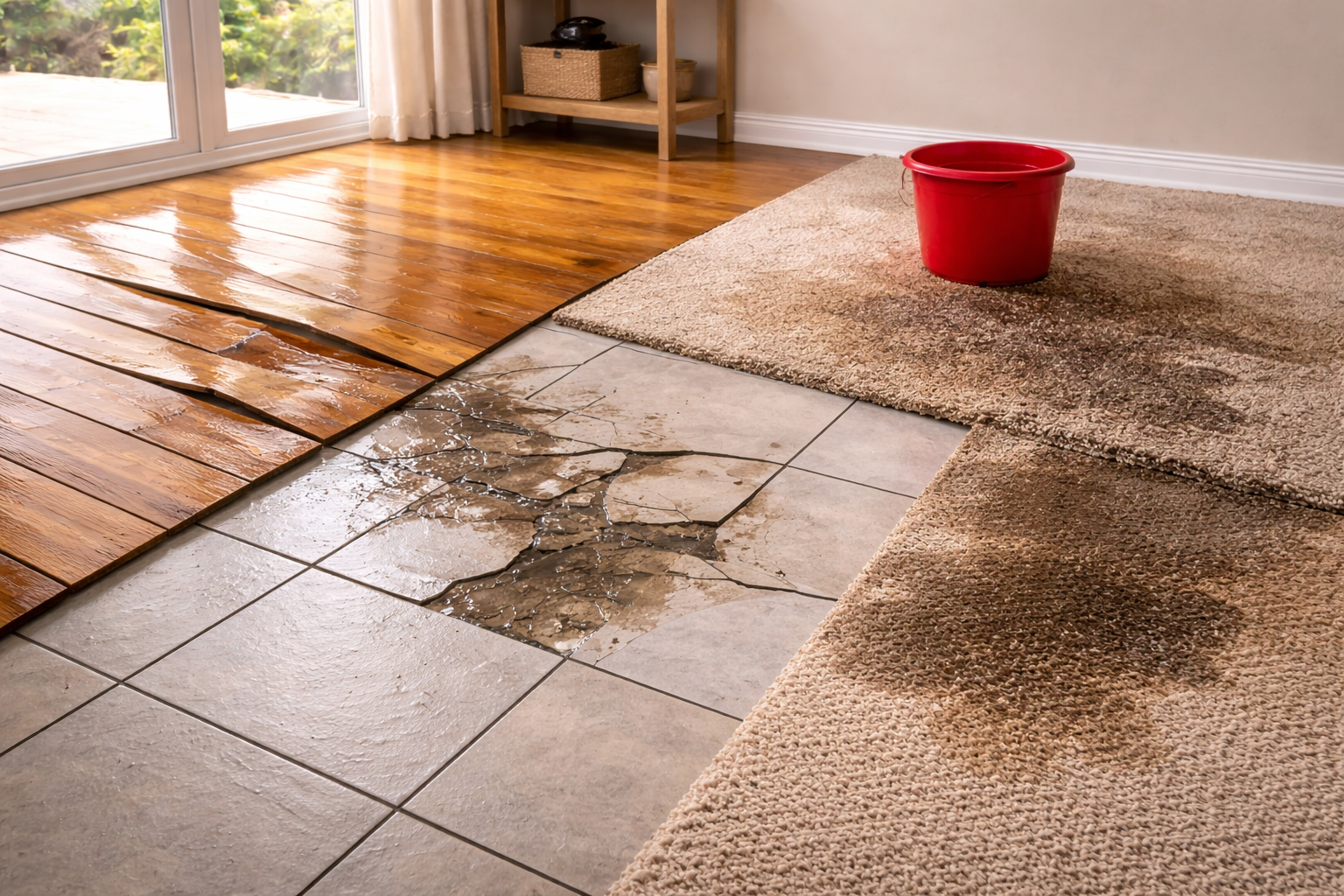
You cleaned up the water. The floors look dry. The smell is gone. Everything seems back to normal—until weeks later, problems start creeping back. Warped floors, musty odors, peeling paint, or even mold growth can appear unexpectedly. This is a common issue homeowners face when water damage returns, and it usually means the original problem was never fully resolved.
Water damage is deceptive. What you see on the surface is only a fraction of what's happening behind walls, under flooring, and inside structural materials. Without proper drying, moisture lingers and slowly causes damage over time.
That's why professional solutions like water damage restoration go beyond cleanup. They focus on eliminating hidden moisture and preventing long-term issues that standard drying methods often miss.
TLDR Quick Guide
Quick Overview
- Water damage often returns due to hidden moisture
- Improper drying is the #1 cause of recurring issues
- Mold can begin forming within days if moisture remains
- Structural materials absorb and retain water longer than expected
- Professional restoration prevents long-term damage
If water damage returns, it's a sign that the original issue wasn't fully addressed.
Why Water Damage Returns After Cleanup
Hidden Moisture Inside Walls and Floors
Even when surfaces appear dry, moisture can remain trapped inside walls, insulation, and subflooring. These materials absorb water and release it slowly over time.
This hidden moisture creates the perfect environment for damage to reappear. Weeks later, you may notice discoloration, warping, or odors—clear signs the problem never fully went away.
Incomplete Drying Process
Many cleanup efforts rely on basic drying methods like fans or towels. While these may remove surface water, they don't address deeper moisture within structural components.
Professional drying requires specialized equipment and moisture detection tools. Without this level of thoroughness, it's almost guaranteed that water damage returns.
The Role of Mold in Recurring Damage
Mold Growth After Initial Cleanup
Mold can begin developing within 24–48 hours of water exposure. If moisture remains hidden, mold continues to grow even after the visible water is gone.
This often explains why homeowners notice musty smells or dark spots weeks after cleanup. The issue wasn't new—it was already developing beneath the surface.
Health and Structural Risks
Mold doesn't just damage materials—it can also affect indoor air quality and health. Prolonged exposure may lead to respiratory issues, allergies, and other concerns.
Addressing moisture quickly is essential to preventing both property damage and health risks.
Common Causes of Recurring Water Damage
Burst Pipes and Appliance Leaks
Recurring issues often stem from unresolved sources such as plumbing leaks or damaged appliances. Even small leaks can continuously introduce moisture into hidden areas.
Situations like burst pipes are especially dangerous because they can release large amounts of water quickly, saturating structural materials.
Storm and Flooding Damage
Storm-related water damage is another major cause of recurring issues. Water can enter through roofs, windows, or foundations and remain trapped inside the structure.
Emergency situations like flooding often require immediate and thorough intervention to prevent long-term damage.
Why DIY Cleanup Often Falls Short
Surface-Level Fixes vs Deep Restoration
DIY cleanup typically focuses on visible water and quick drying methods. While this may improve appearance temporarily, it doesn't address the root of the problem.
Without proper moisture detection, it's impossible to know whether materials are fully dry. This leads to recurring damage and higher repair costs later.
Lack of Professional Equipment
Professional restoration teams use industrial-grade equipment to extract water and monitor moisture levels. This includes dehumidifiers, air movers, and thermal imaging tools.
These tools ensure that all affected areas are completely dry, preventing future issues.
How to Prevent Water Damage from Returning
Thorough Moisture Inspection
The first step in prevention is identifying all areas affected by water. This includes hidden spaces like behind walls, under flooring, and inside ceilings.
Professional inspections ensure that no moisture is left behind.
Complete Drying and Dehumidification
Drying must go beyond surface-level treatment. Industrial equipment is used to remove moisture from deep within materials.
This process is critical to preventing mold growth and structural damage.
Structural Repairs and Reinforcement
In some cases, damaged materials need to be repaired or replaced. Services like structural repairs ensure that weakened areas are restored and safe.
Addressing structural issues prevents further deterioration and ensures long-term stability.
When to Call Professionals Immediately
Signs the Damage Has Returned
If you notice musty odors, discoloration, warping, or recurring dampness, it's a clear indication that the problem persists.
Ignoring these signs can lead to more extensive damage and costly repairs.
Emergency Situations Require Fast Action
Water damage can escalate quickly, especially in emergencies. Immediate response services like emergency restoration help minimize damage and prevent long-term issues.
Acting quickly is the most effective way to protect your property.
Key Takeaways
What You Need to Remember
- Water damage returns when moisture is not fully removed
- Hidden water in walls and floors is the most common cause
- Mold can develop quickly if moisture is left untreated
- DIY cleanup often misses deeper structural issues
- Professional restoration ensures complete drying and prevention
Addressing water damage properly the first time saves time, money, and stress in the long run.
FAQs
Why does water damage come back after cleanup?
Water damage often returns because moisture remains hidden in structural materials. Surface drying alone is not enough to eliminate all water. Over time, this trapped moisture causes visible damage again.
How long does it take for water damage to reappear?
It can take days or even weeks for water damage to become visible again. The timeline depends on how much moisture was left behind. Factors like humidity and ventilation also play a role.
Can mold grow after water damage is cleaned?
Yes, mold can grow if moisture is not completely removed. Even small amounts of trapped water can create ideal conditions for mold growth. This is why thorough drying is essential.
Is professional restoration necessary?
Professional restoration is the most reliable way to ensure all moisture is removed. Experts use specialized equipment to detect and eliminate hidden water. This prevents recurring damage and long-term issues.
What are the signs of hidden water damage?
Common signs include musty odors, warped materials, and discoloration. You may also notice increased humidity or unexplained dampness. These indicators suggest moisture is still present behind surfaces.