
How Water Extraction Specialists in Boulder, CO Handle Severe Water Damage
Introduction
Why Immediate Action Is Critical After Water Damage
Water damage is not just about visible flooding—it’s about what happens beneath the surface. Moisture can seep into walls, insulation, flooring, and structural materials, weakening the integrity of the building over time.
Within the first 24 to 48 hours, untreated water damage can lead to mold growth, which introduces additional health risks and increases restoration costs. This is why immediate response is essential.
Professional teams offering emergency restoration services are equipped to respond quickly and begin mitigation immediately. Fast action reduces long-term damage and helps prevent secondary issues like mold and structural deterioration.
TLDR Quick Guide
Immediate response is critical to prevent further damage
Specialists use industrial equipment to remove standing water
Drying and dehumidification prevent mold growth
Structural repairs restore damaged areas
Professional restoration ensures safe and complete recovery
Step 1: Emergency Response and Damage Assessment
Rapid On-Site Inspection
When severe water damage occurs, the first step taken by Water Extraction Specialists in Boulder, CO is a rapid on-site assessment. This involves identifying the source of the water, evaluating the extent of the damage, and determining the appropriate restoration plan.
Specialists categorize water damage based on contamination levels. Clean water from a pipe leak requires a different approach than contaminated water from flooding or sewage backups.
This initial inspection allows professionals to develop a targeted strategy for efficient water removal and restoration.
Step 2: Water Extraction and Removal
Removing Standing Water Quickly
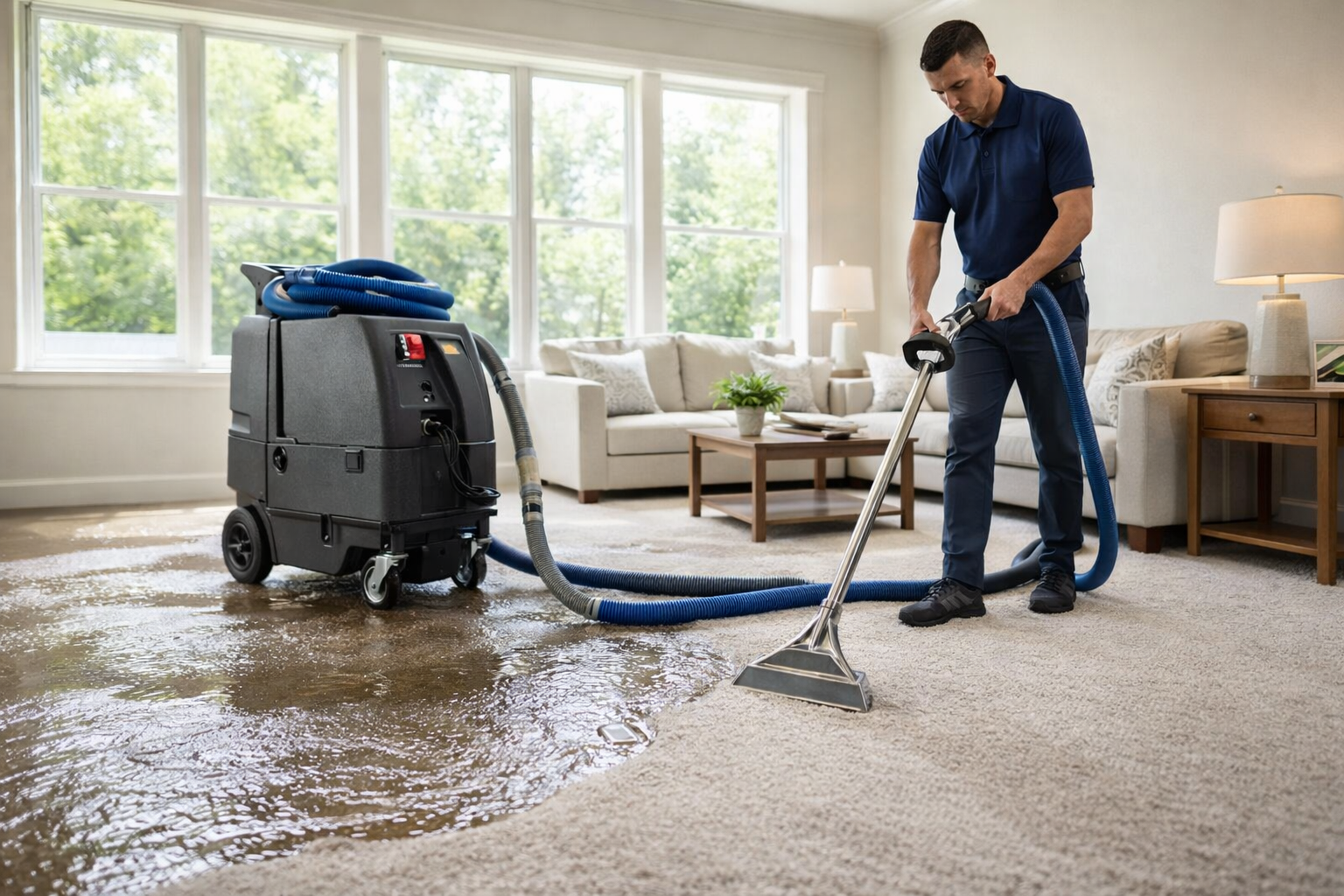
The next critical step is removing standing water using high-powered extraction equipment. Industrial pumps and vacuums are used to extract large volumes of water in a short amount of time.
Quick removal is essential because the longer water sits, the more damage it causes. Materials like wood and drywall can absorb moisture quickly, leading to warping, swelling, and deterioration.
Professional water damage restoration services ensure that water is removed thoroughly, even from hard-to-reach areas.
Step 3: Drying and Dehumidification
Eliminating Hidden Moisture
Even after visible water is removed, moisture often remains trapped in building materials. This hidden moisture can lead to mold growth and long-term damage if not addressed properly.
Specialists use industrial-grade air movers and dehumidifiers to dry affected areas completely. These tools circulate air and remove excess humidity, accelerating the drying process.
Moisture meters and thermal imaging devices are often used to detect hidden moisture, ensuring no areas are overlooked during the drying phase.
Step 4: Cleaning and Sanitization
Addressing Contamination and Odors
In cases involving contaminated water—such as flooding or sewage backups—cleaning and sanitization are critical. Harmful bacteria, debris, and odors must be removed to restore a safe environment.
For severe situations, services like sewage cleanup are necessary to eliminate hazardous contaminants and prevent health risks.
This stage may involve disinfecting surfaces, removing damaged materials, and applying antimicrobial treatments to prevent mold growth.
Step 5: Structural Repairs and Restoration
Rebuilding Damaged Areas
Once the property is fully dried and cleaned, the final step involves restoring damaged structures. This can include repairing drywall, replacing flooring, and rebuilding affected areas.
In more severe cases, restoration teams may need to address structural issues caused by prolonged water exposure. This ensures that the property is not only visually restored but also structurally sound.
The goal is to return the property to its pre-damage condition, allowing homeowners and businesses to resume normal use safely.
Key Takeaways
Fast response minimizes long-term damage
Advanced equipment ensures thorough water removal
Proper drying prevents mold growth
Sanitization protects health and safety
Full restoration brings properties back to pre-damage condition
Working with Water Extraction Specialists in Boulder, CO ensures that water damage is handled efficiently and professionally, reducing both repair costs and recovery time.
FAQs
How quickly should water damage be addressed?
Water damage should be addressed as soon as possible, ideally within the first 24 hours. Delays can lead to mold growth and increased structural damage. Immediate action helps reduce overall repair costs and prevents additional issues.
Can I remove water damage myself?
Small spills may be manageable, but severe water damage requires professional equipment and expertise. Without proper drying, hidden moisture can remain and cause long-term problems. Professionals ensure complete water removal and restoration.
How long does the water extraction process take?
The timeline depends on the severity of the damage and the size of the affected area. Water extraction itself may take a few hours, while drying and restoration can take several days. Each situation requires a customized approach.
Is water damage covered by insurance?
Coverage depends on the cause of the damage and the specifics of the insurance policy. Sudden events like burst pipes are often covered, while gradual damage may not be. It’s important to review your policy and consult your provider.
What happens if water damage is not treated properly?
Untreated water damage can lead to mold growth, structural weakening, and long-term property damage. It can also create health risks due to bacteria and poor air quality. Proper restoration prevents these issues and ensures a safe living environment.