
How Water Damage Moves Through Floors, Walls, and Ceilings After a Leak
Introduction
Water damage rarely stays in one place. What starts as a small leak can quickly turn into a widespread structural issue affecting multiple areas of a home or building. Understanding water damage spread is critical because water does not remain contained—it travels through materials, seeps into hidden spaces, and continues damaging structures long after the initial leak occurs.
When water enters a property, it follows the path of least resistance. It moves downward due to gravity, but it also spreads laterally through porous materials like drywall, insulation, wood, and flooring. This means that even a minor leak behind a wall or under a sink can impact ceilings, floors, and adjacent rooms without being immediately visible.
This is why fast response is essential. Delays in addressing water damage allow moisture to penetrate deeper into structural components, increasing the risk of mold growth, rot, and costly repairs. Professional services like water damage restoration are often necessary to stop the spread and properly dry affected areas.
TLDR Quick Guide
- Water damage spreads quickly through walls, floors, and ceilings.
- Gravity pulls water downward, but materials allow sideways spread.
- Hidden moisture can cause mold within 24–48 hours.
- Structural damage increases the longer water is left untreated.
- Immediate action is critical to prevent costly repairs.
How Water Damage Spread Begins
Water damage typically starts from a single source, such as a leaking pipe, appliance malfunction, or roof damage. However, once water is introduced into a structure, it begins moving almost immediately.
The initial stage of water damage involves surface absorption. Materials like carpet, drywall, and wood quickly soak up moisture. As saturation increases, water begins migrating beyond the original source.
For example, a leak from an appliance can quickly escalate into a larger issue if not addressed immediately. Situations like appliance leaks often start small but can lead to widespread damage if water seeps into surrounding materials.
The Role of Gravity and Material Absorption
Gravity is one of the primary forces behind water damage spread. Water naturally moves downward, which is why leaks from upper floors often damage ceilings and walls below.
However, absorption plays an equally important role. Porous materials such as drywall and wood act like sponges, pulling water inward and allowing it to spread horizontally. This means water can travel across walls and floors, affecting areas far from the original leak.
As materials become saturated, they lose their structural integrity. Wood may warp, drywall can crumble, and flooring may begin to buckle or separate.
How Water Moves Through Walls
Walls are one of the most vulnerable areas when it comes to water damage spread. Once water enters a wall cavity, it can travel unnoticed for long periods.
Water seeps into drywall and insulation, moving both vertically and horizontally. Insulation, in particular, can trap moisture, creating a hidden environment where mold can develop quickly.
Electrical systems within walls are also at risk. Moisture exposure can lead to corrosion, short circuits, and potential fire hazards if not addressed properly.
Hidden Damage Behind Drywall
One of the biggest challenges with water damage in walls is that it often remains hidden. Surface appearances can be misleading, as moisture may be present deep within the structure.
Signs of hidden wall damage include:
- Discoloration or staining
- Bubbling or peeling paint
- Soft or swollen drywall
- Musty odors
By the time these signs appear, the damage has often already spread significantly. This is why professional inspection and drying are essential.
How Water Spreads Across Floors
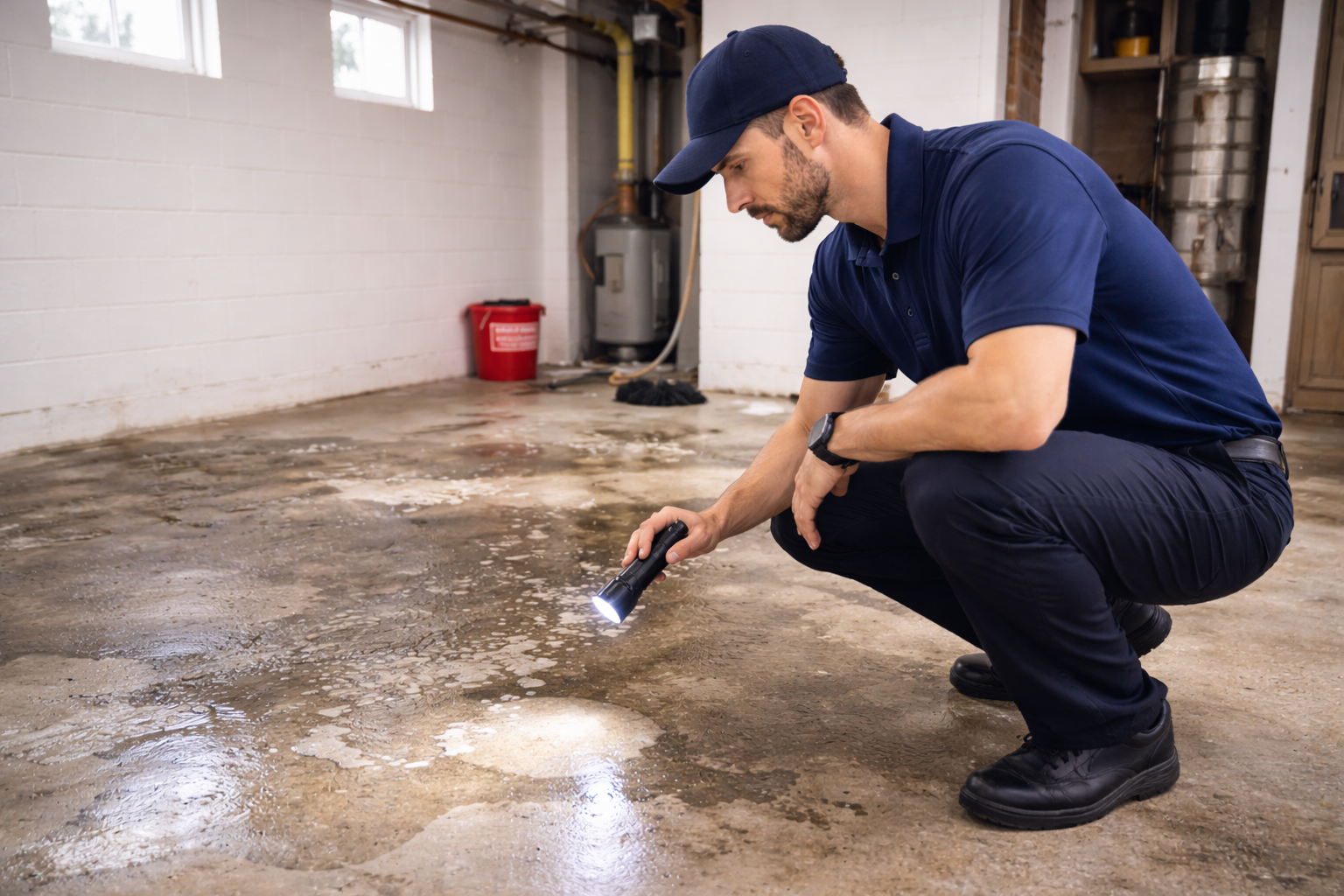
Floors act as a collection point for water, but they also allow it to spread across large areas quickly. Depending on the flooring material, water can either pool on the surface or seep underneath.
Hardwood floors are particularly vulnerable. Water can penetrate between planks, causing them to swell, warp, or crack. Carpeted floors absorb water rapidly, holding moisture deep within the fibers and padding.
Tile floors may appear resistant, but water can still seep through grout lines and reach the subfloor beneath.
Subfloor Damage and Structural Risks
Once water reaches the subfloor, the damage becomes more serious. Subfloors provide foundational support, and prolonged exposure to moisture can weaken their structure.
Over time, this can lead to:
- Sagging floors
- Structural instability
- Rotting wood
- Mold growth beneath flooring
Flooding situations accelerate this process significantly. In severe cases like flooding emergencies, water can saturate entire floor systems, requiring extensive drying and repairs.
How Water Affects Ceilings
Ceilings are often the first visible sign of water damage from above. When water leaks from an upper level, it accumulates in the ceiling below.
This can cause staining, sagging, and eventual collapse if the weight of the water becomes too great. Ceiling materials such as drywall are not designed to hold moisture, making them highly susceptible to damage.
Ceiling Collapse and Safety Concerns
As water accumulates, ceilings may begin to bulge or sag. This is a sign that water is pooling above and creating pressure on the structure.
If left untreated, the ceiling may eventually collapse, posing a serious safety risk. Electrical fixtures in ceilings also increase the danger, as water exposure can create shock hazards.
Prompt action is critical to prevent further damage and ensure safety.
Why Immediate Action Is Critical
Water damage spread happens quickly, often within minutes of a leak starting. Within hours, water can penetrate structural materials, and within 24–48 hours, mold growth may begin.
The longer water remains in a structure, the more extensive and costly the damage becomes. What could have been a minor repair can quickly escalate into a major restoration project.
Emergency response services such as emergency restoration are designed to address water damage immediately, preventing further spread and minimizing long-term impact.
Preventing Long-Term Structural Damage
Preventing structural damage requires fast action and proper drying techniques. Removing standing water is only the first step. Moisture trapped within walls, floors, and ceilings must also be addressed.
Professional equipment such as industrial dehumidifiers and air movers is often necessary to fully dry affected areas. Without proper drying, hidden moisture can continue causing damage even after visible water is gone.
Key Takeaways
- Water damage spread occurs quickly and affects multiple areas of a structure.
- Gravity and material absorption allow water to travel through walls, floors, and ceilings.
- Hidden moisture can cause mold and structural damage if not addressed.
- Floors and subfloors are especially vulnerable to long-term damage.
- Immediate response is essential to prevent costly repairs and safety risks.
FAQs
How fast does water damage spread?
Water damage can begin spreading within minutes of a leak starting. It quickly absorbs into materials like drywall, wood, and flooring. Within 24–48 hours, mold growth can begin if moisture is not removed.
Can water damage spread through walls?
Yes, water can easily spread through walls by soaking into drywall and insulation. It can travel both vertically and horizontally within wall cavities. This often leads to hidden damage that is not immediately visible.
Does water always spread downward?
Water primarily moves downward due to gravity, but it can also spread sideways through porous materials. Walls, floors, and insulation allow water to travel in multiple directions. This is why damage often extends beyond the original leak area.
How do you stop water damage from spreading?
Stopping water damage requires shutting off the water source and removing standing water immediately. Drying affected areas with proper equipment is also essential. Professional restoration services ensure hidden moisture is fully addressed.
When should you call a professional for water damage?
You should call a professional as soon as you notice water damage or a leak. Early intervention prevents further spread and reduces repair costs. Professionals have the tools and expertise to handle both visible and hidden damage effectively.