
When Water Damage Requires Full Reconstruction Instead of Simple Repairs
Introduction
Not all water damage is created equal. While minor leaks or small spills can often be handled with basic cleanup and repairs, severe cases may require full water damage reconstruction to restore a property safely and completely. Understanding the difference between repair and reconstruction is critical for homeowners dealing with flooding, burst pipes, or major water intrusion.
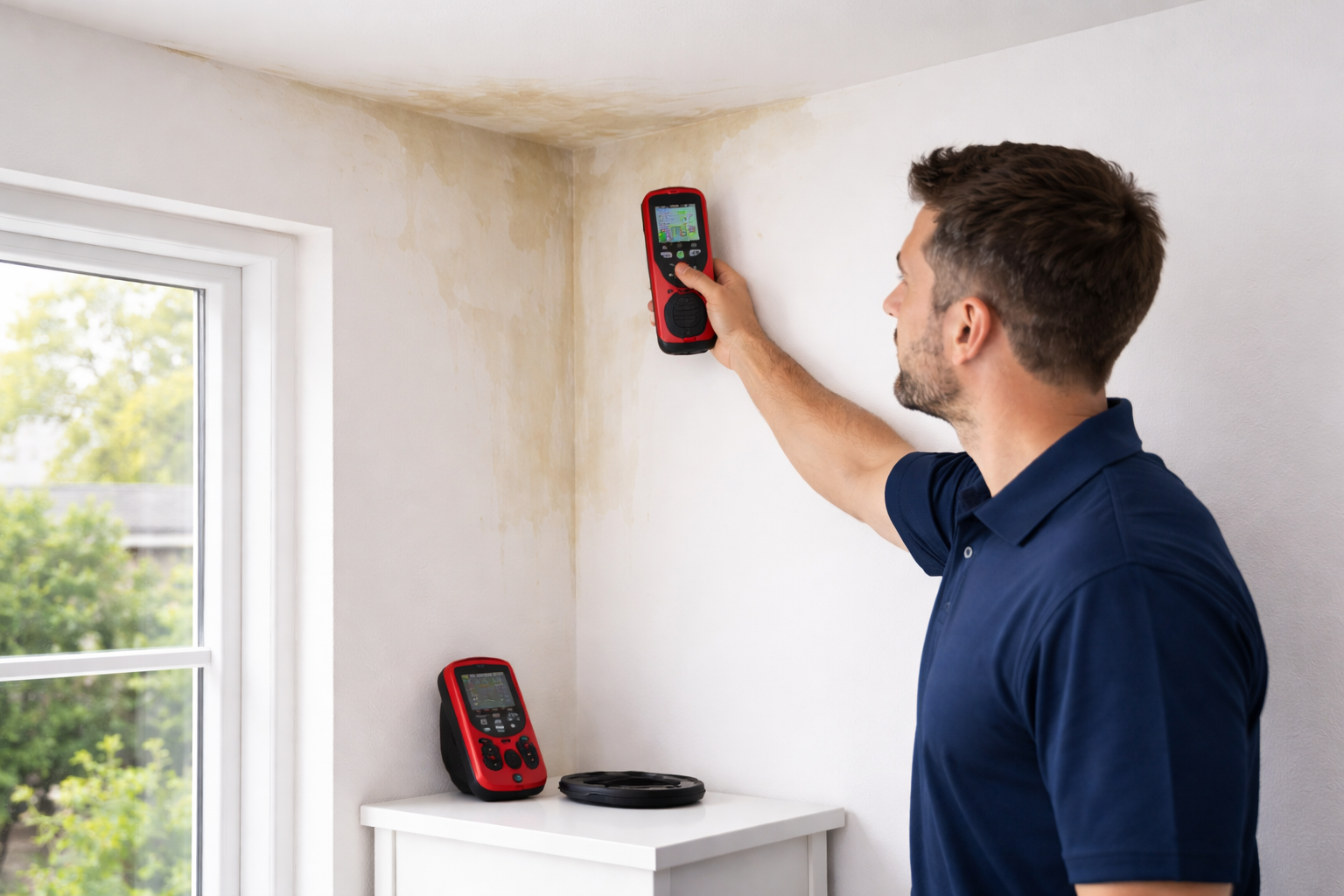
In many situations, visible damage is only part of the problem. Water can seep into structural components, weaken materials, and create hidden risks that are not immediately obvious. What may appear to be a simple fix can quickly escalate into a larger issue if underlying damage is not properly addressed.
This is why professional services like water damage restoration are essential. They assess the full extent of the damage and determine whether repairs are sufficient—or if a complete reconstruction is required to ensure long-term safety and stability.
TLDR Quick Guide
- Minor water damage can often be repaired quickly.
- Severe damage may require full reconstruction.
- Structural damage is a key indicator for rebuilding.
- Contaminated water increases restoration complexity.
- Fast response reduces the likelihood of reconstruction.
What Is Water Damage Reconstruction?
Repair vs Reconstruction: Key Differences
Water damage repair typically involves drying, cleaning, and replacing small sections of damaged materials. This might include patching drywall, replacing flooring, or repainting surfaces.
Reconstruction, on the other hand, involves rebuilding entire sections of a property. This can include structural framing, walls, flooring systems, and sometimes even foundational components.
The goal of reconstruction is not just to restore appearance, but to ensure the property is safe, stable, and fully functional again.
When Restoration Becomes a Rebuild
There is a tipping point where standard restoration methods are no longer sufficient. This happens when water damage compromises the integrity of the structure or spreads extensively throughout the property.
In these cases, attempting simple repairs can lead to long-term issues such as mold growth, structural instability, or recurring damage.
Recognizing this threshold early is key to preventing further complications.
Signs That Water Damage Requires Full Reconstruction
Structural Weakness and Instability
When water affects load-bearing components such as beams, joists, or support structures, reconstruction is often necessary. These elements are critical to the safety of the building.
If wood begins to rot or weaken, it can no longer support the structure effectively. This creates serious safety risks that cannot be resolved with surface-level repairs.
Services like structural repairs are essential in these cases to rebuild and reinforce the affected areas.
Extensive Material Saturation
Water that penetrates deeply into walls, insulation, and flooring can cause widespread damage. Materials like drywall and insulation absorb moisture quickly and often need to be completely replaced.
When large sections of the property are affected, reconstruction becomes the most effective solution. This ensures that all damaged materials are removed and replaced properly.
Leaving saturated materials in place can lead to ongoing issues such as mold and deterioration.
Contaminated Water Exposure
Water from sources like sewage backups or floodwater introduces harmful bacteria and contaminants into the home. This type of damage is far more serious than clean water exposure.
In these situations, specialized services such as sewage cleanup are required to safely remove hazardous materials and sanitize the area.
Reconstruction is often necessary because contaminated materials cannot be safely restored.
Common Causes of Severe Water Damage
Burst Pipes and Plumbing Failures
Burst pipes can release large volumes of water in a short amount of time, quickly flooding multiple areas of a home. This type of damage often spreads beyond visible surfaces.
Emergencies like burst pipes can lead to significant structural damage if not addressed immediately.
Rapid response is essential to limit the extent of reconstruction required.
Storm and Flood Damage
Severe weather events can introduce large amounts of water into a property, often affecting basements, foundations, and lower levels. Flooding can also carry debris and contaminants.
In cases involving storm damage restoration, reconstruction is often necessary due to the scale and complexity of the damage.
Storm-related damage tends to be more widespread and difficult to contain.
The Reconstruction Process Explained
Assessment and Planning
The first step in water damage reconstruction is a thorough assessment of the property. Professionals evaluate the extent of the damage and identify areas that require rebuilding.
This process includes checking structural components, moisture levels, and potential safety hazards. A detailed plan is then created to guide the reconstruction process.
Accurate assessment ensures that no hidden damage is overlooked.
Demolition and Removal
Damaged materials must be removed before reconstruction can begin. This includes drywall, flooring, insulation, and any compromised structural elements.
Removing these materials prevents further deterioration and creates a clean foundation for rebuilding. It also eliminates sources of moisture that could lead to mold growth.
This step is critical for ensuring long-term success.
Rebuilding and Restoration
Once the damaged areas are cleared, reconstruction begins. This involves rebuilding structural components, installing new materials, and restoring the property to its original condition.
The goal is to create a safe, durable, and fully functional space. Professional teams ensure that all work meets safety and building standards.
Comprehensive reconstruction provides peace of mind and long-term reliability.
Why Fast Action Can Prevent Reconstruction
Minimizing Damage Through Immediate Response
Time is one of the most important factors in water damage situations. The longer water sits, the more damage it causes.
Immediate services like emergency restoration can significantly reduce the extent of damage. Quick water removal and drying can prevent materials from becoming fully saturated.
Acting fast often means the difference between simple repairs and full reconstruction.
Preventing Secondary Issues
Delays in addressing water damage can lead to secondary problems such as mold growth, structural weakening, and electrical hazards.
These issues not only increase costs but also complicate the restoration process. Early intervention helps prevent these complications.
Proactive action protects both your property and your investment.
Key Takeaways
- Water damage reconstruction is required when structural integrity is compromised.
- Extensive saturation and contamination often lead to full rebuilding.
- Burst pipes and storms are common causes of severe damage.
- Reconstruction involves assessment, removal, and rebuilding.
- Fast response can prevent damage from escalating to reconstruction.
FAQs
What is water damage reconstruction?
Water damage reconstruction involves rebuilding parts of a property that have been severely damaged. This goes beyond basic repairs and includes structural rebuilding. It ensures the property is safe and fully restored.
How do I know if my home needs reconstruction?
Signs include structural damage, widespread saturation, and contamination. If materials are weakened or unsafe, reconstruction is often required. A professional inspection can confirm the extent of damage.
Can all water damage be repaired without reconstruction?
No, some cases are too severe for simple repairs. Structural damage and contaminated water often require full rebuilding. Ignoring these issues can lead to long-term problems.
How long does reconstruction take?
The timeline depends on the extent of the damage and the size of the affected area. Minor reconstruction may take a few days, while larger projects can take weeks. Proper planning ensures efficient completion.
Does insurance cover water damage reconstruction?
Coverage depends on the cause of the damage and your insurance policy. Sudden events like burst pipes are often covered, while flooding may require separate insurance. It's important to review your policy and contact your provider.