
How Improper Cleanup Causes Long-Term Odors After Water or Sewage Damage
Introduction
After water damage, the immediate focus is often on removing standing water and drying visible areas. While this is important, it's only part of the restoration process.
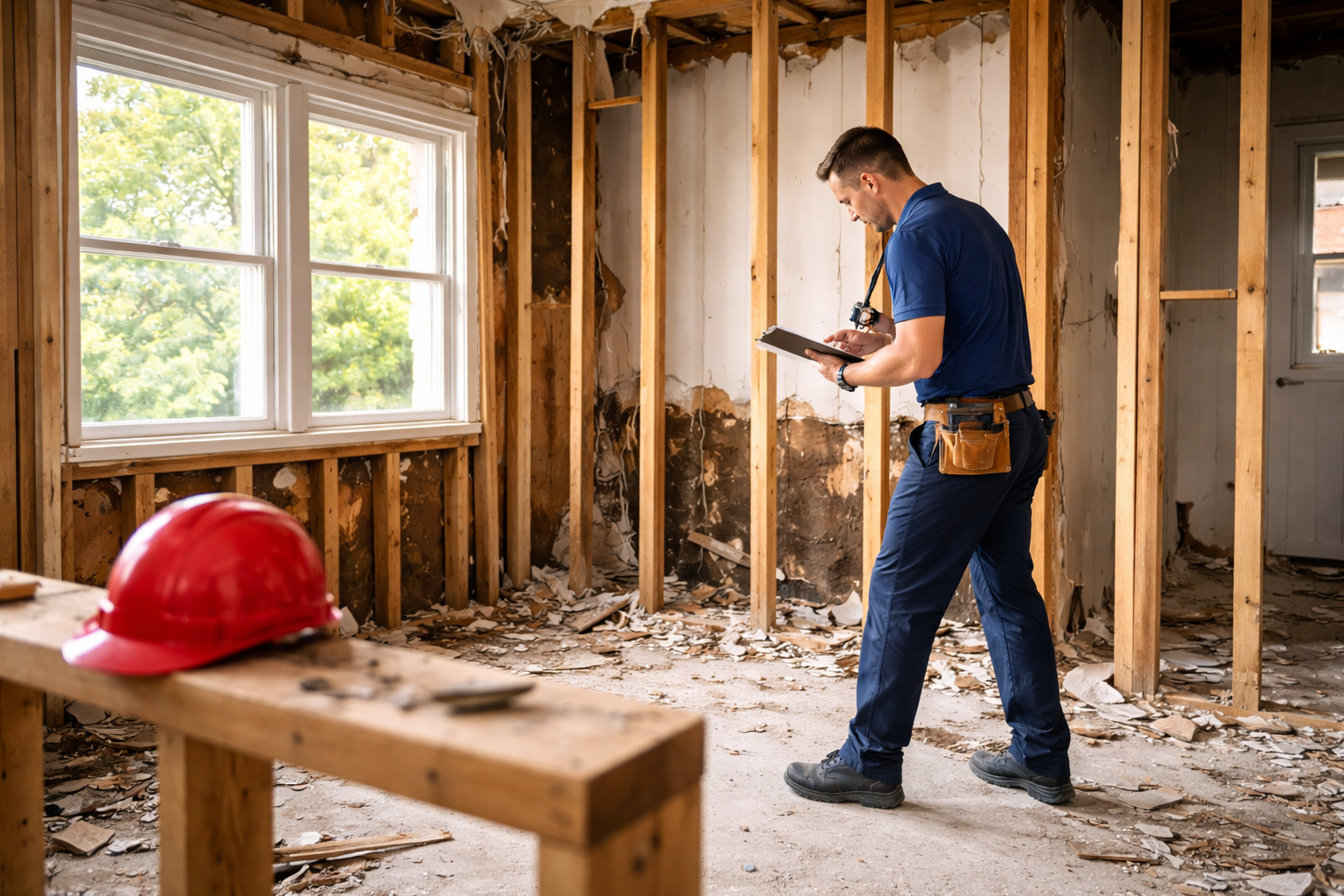
The real issue lies beneath the surface. Moisture can remain trapped inside walls, flooring, insulation, and structural materials. Over time, this hidden moisture leads to bacterial growth, mold, and that unmistakable musty or foul water damage odor.
Professional cleanup is designed to address both visible and hidden damage. Many homeowners rely on services like water damage restoration to ensure that moisture is completely removed and odors are eliminated at the source—not just covered up.
TLDR Quick Guide
Here's Why Water Damage Odor Persists
- Hidden moisture remains inside materials
- Bacteria and mold continue to grow
- Contaminants from sewage or dirty water linger
- Improper drying allows odors to develop
- DIY cleanup often misses affected areas
The only real solution is complete drying, cleaning, and professional restoration.
What Causes Water Damage Odor?
Hidden Moisture in Structural Materials
Even if surfaces feel dry, moisture can remain trapped behind walls, under flooring, and inside insulation. This creates a damp environment where odors develop over time.
Without proper detection tools, this moisture often goes unnoticed.
Bacteria and Organic Growth
Water damage introduces organic materials that bacteria feed on. As bacteria multiply, they release gases that create unpleasant odors.
This is especially common in areas affected by contaminated water.
Mold and Mildew Formation
Mold can begin growing within 24–48 hours after water exposure. As it spreads, it produces a musty smell that becomes stronger over time.
If not addressed, mold can spread throughout the property.
Why Improper Cleanup Makes Odors Worse
Incomplete Drying
One of the biggest mistakes in cleanup is stopping the drying process too early. Moisture left behind continues to fuel odor-causing bacteria and mold.
Professional drying ensures all affected materials reach safe moisture levels.
Surface Cleaning Instead of Deep Cleaning
Wiping down surfaces may remove visible dirt, but it doesn't address contaminants embedded within materials.
Odors often return because the root cause was never removed.
Ignoring Contaminated Water Damage
When dealing with sewage or floodwater, contamination is a serious issue. These types of water carry bacteria, chemicals, and waste that require specialized cleanup.
Situations like sewage backup cleanup demand professional handling to eliminate both health risks and long-term odors.
How Sewage Damage Creates Stronger Odors
High Levels of Contamination
Sewage water contains harmful bacteria and organic waste. When absorbed into materials, it creates extremely strong and persistent odors.
These odors cannot be removed with standard cleaning methods.
Absorption into Porous Materials
Carpets, drywall, and wood easily absorb contaminated water. Once absorbed, these materials can retain odor-causing particles deep within their structure.
In many cases, affected materials must be removed and replaced.
Need for Specialized Cleanup
Proper sanitation and deodorization require professional-grade equipment and cleaning solutions. Services like sewage cleanup are designed to fully eliminate contaminants and restore safe conditions.
The Role of Professional Restoration in Eliminating Odors
Advanced Moisture Detection
Professionals use tools like moisture meters and thermal imaging to locate hidden moisture. This ensures no affected areas are missed during the drying process.
Accurate detection is key to preventing lingering odors.
Industrial Drying and Dehumidification
High-powered equipment removes moisture from both surfaces and the air. This accelerates drying and prevents bacteria and mold growth.
Proper drying is essential for odor elimination.
Deep Cleaning and Deodorization
Professional restoration includes deep cleaning and deodorization techniques that target odor sources at a molecular level.
This ensures odors are permanently removed, not just masked.
Preventing Long-Term Odors After Water Damage
Act Immediately
The faster you respond to water damage, the lower the risk of odor development. Delays allow moisture to spread and bacteria to grow.
Quick action minimizes both damage and odor.
Use Professional Services
DIY cleanup often misses hidden moisture and contaminants. Professional services ensure thorough drying and cleaning.
Emergency services like emergency restoration provide rapid response to prevent long-term issues.
Monitor for Signs of Moisture
Even after cleanup, it's important to monitor for signs of lingering moisture or odor. Early detection helps prevent recurring problems.
Key Takeaways
- Water damage odor is caused by hidden moisture, bacteria, and mold.
- Improper cleanup often leaves moisture trapped inside materials.
- Sewage damage creates stronger and more persistent odors.
- Professional restoration ensures complete drying and deodorization.
- Fast action is critical to preventing long-term odor issues.
FAQs
Why does my house still smell after water damage cleanup?
Odors usually remain because moisture or contaminants were not fully removed. Hidden areas like walls and flooring can still hold moisture. This allows bacteria and mold to continue producing odors.
Can water damage odor go away on its own?
No, water damage odor will not disappear without proper treatment. Even if the smell fades temporarily, it often returns. The root cause must be addressed to eliminate it permanently.
How long does water damage odor last?
The duration depends on how well the cleanup was performed. Proper restoration can eliminate odors within days. Poor cleanup can cause odors to linger for months or longer.
Is water damage odor dangerous?
Yes, it can indicate the presence of mold or harmful bacteria. These can affect indoor air quality and health. Addressing the issue quickly is important for safety.
When should I call a professional for water damage odor?
You should call a professional as soon as you notice persistent odors. Early intervention prevents further damage and health risks. Professionals can identify and eliminate the source effectively.