
What Happens When Water Damage Is Not Fully Dried Before Repairs Begin
Introduction
When dealing with water damage, many homeowners rush to repairs without realizing the most critical step: complete drying. If water damage not dried properly before rebuilding begins, the consequences can be far more severe—and expensive—than the original issue.
At first glance, surfaces may appear dry, but moisture often remains trapped beneath flooring, behind walls, and inside structural materials. Covering up this hidden moisture with repairs doesn't solve the problem—it locks it in.
Understanding what happens when drying is skipped or rushed can help you avoid long-term damage, mold growth, and repeated repairs.
TLDR Quick Guide
- Water damage that is not dried leads to hidden structural issues.
- Repairs done too early trap moisture inside materials.
- Mold can begin growing within 24–48 hours.
- Long-term damage often costs more than the original repair.
- Professional water damage restoration ensures complete drying before rebuilding.
Why Proper Drying Is Critical Before Repairs
Moisture Doesn't Stay on the Surface
Even after water is removed, moisture seeps deep into building materials like drywall, insulation, and wood. These materials act like sponges, holding water long after surfaces appear dry.
If repairs begin too soon, trapped moisture remains hidden. Over time, this leads to deterioration, warping, and breakdown of structural components.
Without proper drying, repairs are essentially built on top of an unresolved problem.
What Happens When Water Damage Is Not Dried
Trapped Moisture Leads to Bigger Problems
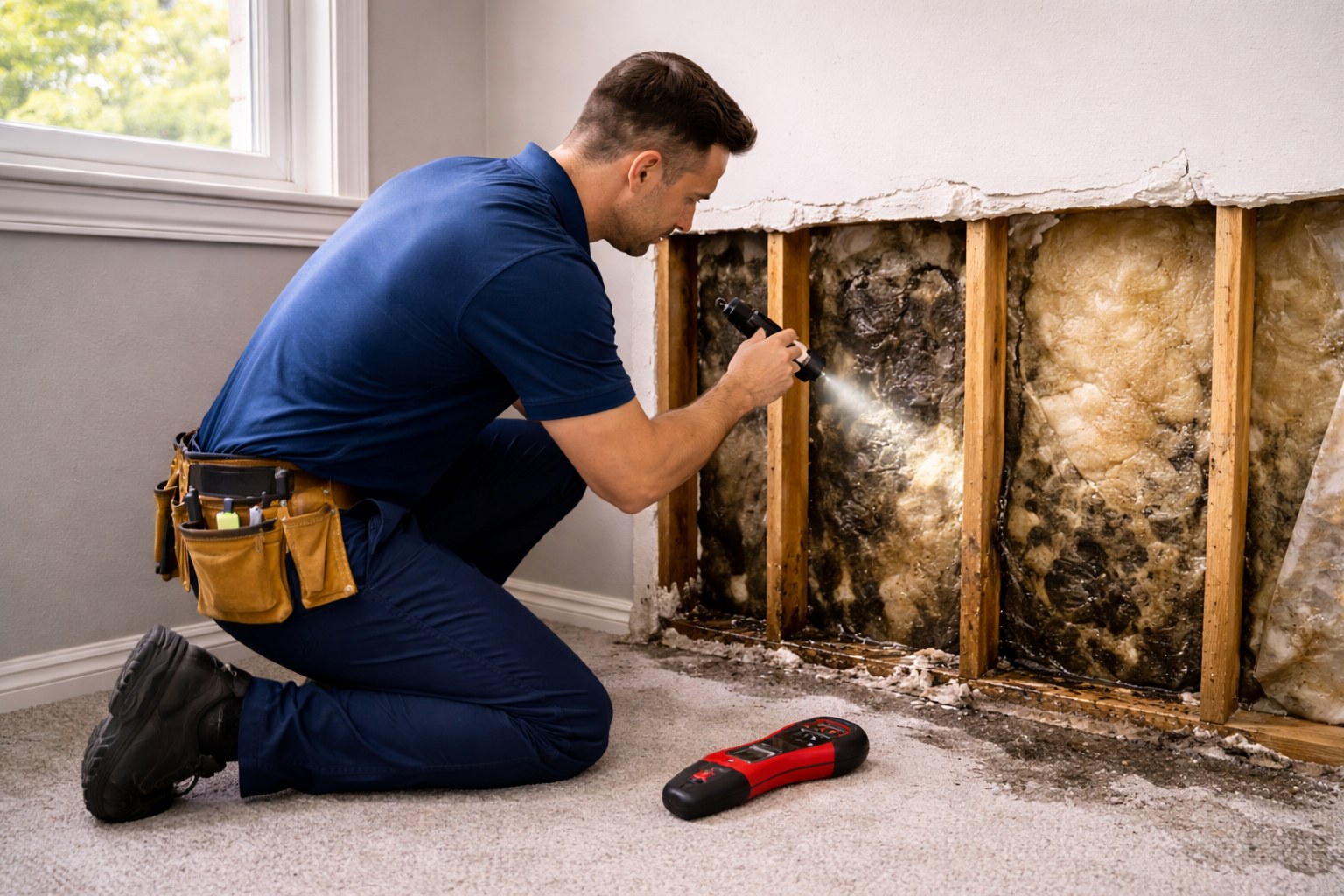
When water damage not dried properly is covered up, the damage continues silently. Moisture creates the perfect environment for mold growth and material decay.
Walls may begin to weaken, flooring can buckle, and hidden areas may develop serious issues that go unnoticed until they become severe.
This often results in having to tear out newly completed repairs just to address the original problem.
Mold Growth and Health Risks
A Hidden and Dangerous Consequence
Mold is one of the most immediate risks of incomplete drying. It can begin growing within 24 to 48 hours in damp environments.
Once mold spreads, it can affect air quality and pose health risks to occupants. Symptoms may include respiratory issues, allergies, and persistent discomfort.
What could have been a simple drying process can quickly turn into a full-scale remediation project if moisture is left behind.
Structural Damage Over Time
Weakening the Integrity of Your Home
Moisture trapped inside structural elements can weaken the integrity of your home. Wood framing may rot, drywall can crumble, and subflooring can lose its strength.
These issues often develop gradually, making them harder to detect early. By the time visible damage appears, the underlying problem may already be extensive.
In severe cases, homeowners may require professional structural repairs to restore safety and stability.
Why DIY Drying Isn't Enough
Hidden Moisture Requires Professional Equipment
Many homeowners attempt to dry water damage using fans or basic dehumidifiers. While this may remove surface moisture, it often fails to address deeper saturation.
Professional restoration teams use advanced moisture detection tools and industrial drying equipment to ensure all affected areas are completely dry.
In emergency situations like burst pipes, hidden moisture can spread rapidly, making professional intervention essential.
The Cost of Skipping Proper Drying
Short-Term Savings, Long-Term Losses
Skipping proper drying may seem like a way to save time or money, but it often leads to higher costs later. Repairs may fail, materials may need replacement, and mold remediation can become necessary.
Homeowners who rush the process often end up paying for the same issue twice—or more. Insurance claims may also become more complicated if proper procedures are not followed.
Investing in proper drying from the start prevents these costly setbacks.
When to Call Professionals Immediately
Timing Makes All the Difference
If your property has experienced water damage, immediate action is critical. The longer moisture remains, the more damage it can cause.
Professional emergency restoration services ensure rapid response, proper drying, and complete mitigation before repairs begin.
Companies like Disaster Experts specialize in identifying hidden moisture and preventing long-term damage through thorough restoration processes.
Key Takeaways
- Water damage not dried properly leads to hidden and ongoing damage.
- Repairs done too early trap moisture and worsen the problem.
- Mold growth can begin within 24–48 hours.
- Structural damage may develop over time if moisture remains.
- Professional drying ensures safe and complete restoration.
FAQs
How do I know if water damage is fully dried?
Visible dryness is not always a reliable indicator. Moisture can remain hidden inside walls, floors, and insulation. Professional moisture detection tools are often needed to confirm complete drying.
What happens if I repair water damage too soon?
Repairing too soon can trap moisture inside building materials. This can lead to mold growth, structural damage, and failed repairs. It often results in needing to redo the work later.
Can mold grow even if the surface looks dry?
Yes, mold can grow in hidden areas where moisture remains. It thrives in damp environments that are not visible to the eye. This is why proper drying is essential before repairs.
Is professional drying really necessary?
Yes, professional drying ensures that all moisture is removed, not just what is visible. Specialized equipment and techniques are required for thorough drying. This prevents long-term damage and health risks.
How long should drying take before repairs?
Drying time depends on the extent of the damage and materials affected. It can take several days to ensure complete moisture removal. Rushing this process increases the risk of future problems.