
How Water Damage Affects Wood, Tile, and Carpet Flooring Differently
Introduction
Water damage is one of the most destructive issues a property can face, and flooring is often the first area affected. Understanding how water damage flooring impacts different materials—such as wood, tile, and carpet—can help you act quickly and prevent costly repairs.
Each type of flooring reacts differently when exposed to water. While some materials may appear durable on the surface, hidden damage can develop underneath, leading to long-term structural issues and health risks.
Whether the cause is a leak, flooding, or a sudden pipe burst, immediate action is essential. Many property owners rely on professional water damage restoration services to properly assess and restore affected flooring before the damage spreads further.
TLDR Quick Guide
How Water Affects Flooring Types
- Wood flooring absorbs water and warps quickly
- Carpet traps moisture and promotes mold growth
- Tile resists water but hides damage underneath
- Delays increase repair costs and structural risks
- Fast emergency restoration reduces long-term damage
Each flooring type requires a different approach for proper restoration.
How Water Damage Affects Wood Flooring
Absorption and Warping
Wood is highly porous, meaning it absorbs water quickly. Once moisture enters the material, it causes expansion, warping, and cupping.
Even a small amount of water can lead to visible damage within hours. Boards may swell unevenly, creating gaps or raised edges that compromise the floor's appearance and safety.
If not addressed immediately, the damage can become permanent.
Long-Term Structural Damage
Beyond surface issues, water can penetrate beneath the wood and affect subflooring. This weakens the structural integrity of the entire floor system.
Over time, untreated moisture can lead to rot and mold growth, requiring extensive repairs or full replacement.
Professional drying and restoration are critical to prevent deeper damage.
How Water Damage Affects Carpet Flooring
Moisture Retention and Contamination
Carpet is one of the most vulnerable flooring types when exposed to water. It absorbs moisture rapidly and retains it within fibers and padding.
This creates an ideal environment for bacteria and mold growth, especially within 24 to 48 hours.
In cases involving contaminated water, such as a sewage backup, carpets often need to be removed entirely due to health risks.
Odor and Air Quality Issues
Even after drying, carpets can retain odors caused by bacteria and contaminants. These odors can spread throughout the home and affect indoor air quality.
Improper cleanup can lead to recurring issues, making professional treatment essential.
How Water Damage Affects Tile Flooring
Surface Resistance vs Hidden Damage
Tile flooring is often considered water-resistant, but that doesn't mean it's immune to damage. While the surface may repel water, moisture can seep through grout lines and cracks.
This allows water to reach the subfloor, where it can cause hidden damage that is not immediately visible.
Over time, this can lead to loosening tiles and structural issues beneath the surface.
Subfloor and Mold Risks
Once water reaches the subfloor, it creates conditions for mold growth and material deterioration. This type of damage can go unnoticed until it becomes severe.
Professional inspection is often required to detect and address hidden moisture.
Common Causes of Water Damage Flooring
Burst Pipes and Appliance Leaks
Plumbing failures are one of the most common causes of water damage. Issues like a burst pipe or leaking appliance can quickly flood flooring areas.
These incidents often occur suddenly and require immediate attention to prevent widespread damage.
Storms and Flooding
Severe weather events can introduce large volumes of water into a property. Flooding can affect multiple flooring types at once, increasing the complexity of restoration.
Quick response is essential to limit damage and begin the drying process.
Why Immediate Action Is Critical
Damage Spreads Quickly
Water damage does not remain isolated. Moisture spreads through materials, affecting surrounding areas and increasing the scope of damage.
Within hours, water can penetrate deeper layers, making restoration more difficult and expensive.
Cost Increases Over Time
Delaying action can significantly increase repair costs. What starts as a minor issue can escalate into major structural damage if not addressed promptly.
Engaging professional restoration services early helps reduce overall expenses and recovery time.
How Professionals Restore Water-Damaged Flooring
Assessment and Extraction
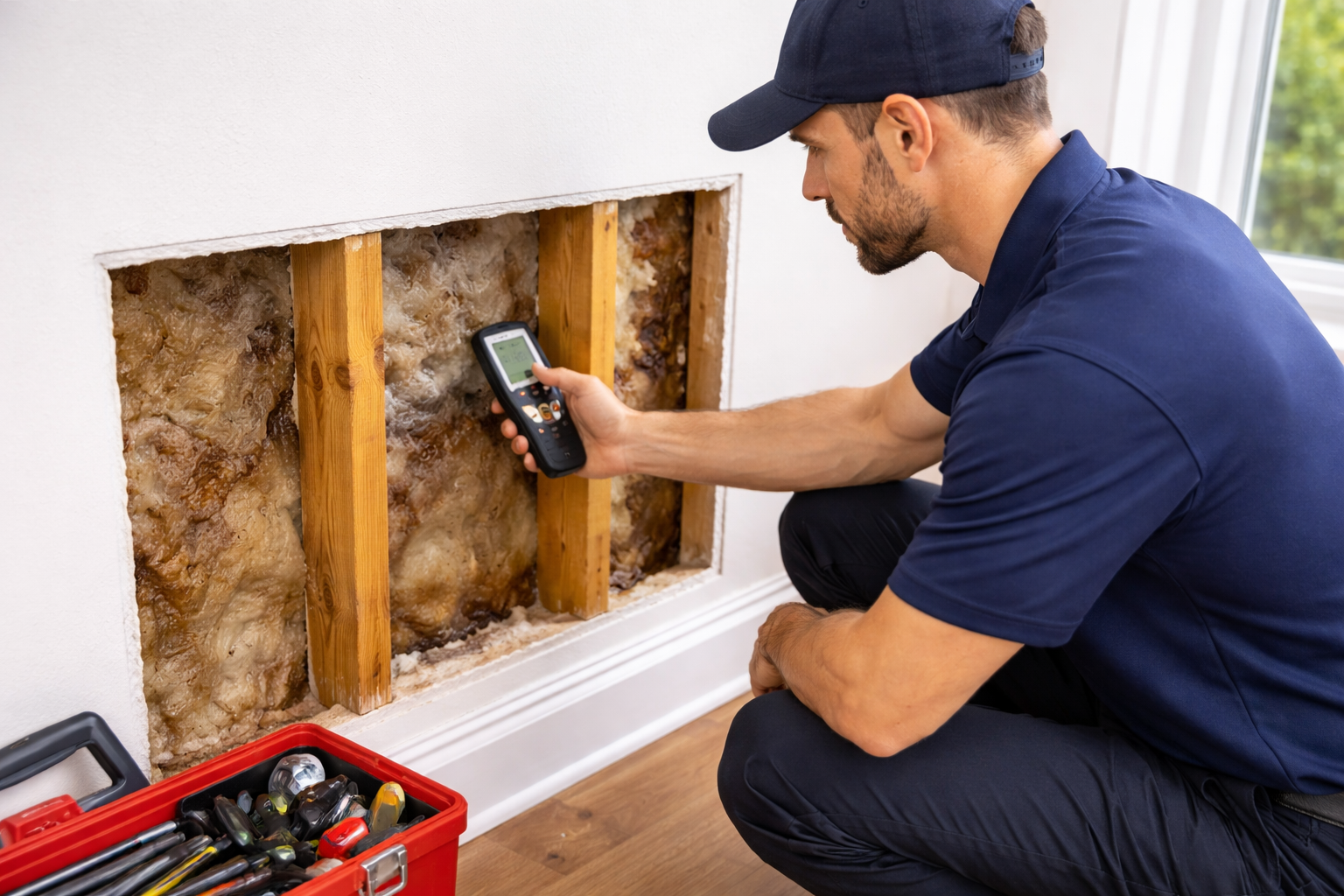
The first step in restoration is assessing the extent of the damage. Professionals use specialized equipment to detect moisture levels and identify affected areas.
Water extraction removes standing water and begins the drying process.
Drying and Dehumidification
Industrial-grade drying equipment is used to remove moisture from flooring and subflooring. This step is critical to prevent mold growth and structural damage.
Proper drying ensures that hidden moisture is fully eliminated.
Repair and Replacement
Depending on the severity of the damage, flooring may be repaired or replaced. Structural repairs may also be necessary if the subfloor has been affected.
Comprehensive restoration ensures the property is safe and fully functional.
Key Takeaways
- Water damage flooring affects wood, tile, and carpet in different ways
- Wood warps and deteriorates quickly when exposed to moisture
- Carpet retains water and promotes mold and bacteria growth
- Tile may hide damage beneath the surface
- Immediate professional restoration reduces long-term damage and costs
FAQs
Which type of flooring is most affected by water damage?
Carpet is typically the most affected because it absorbs and retains moisture quickly. This creates conditions for mold and bacteria growth. In many cases, carpets need to be replaced after severe water exposure.
Can wood flooring be saved after water damage?
Wood flooring can sometimes be saved if the damage is addressed quickly. Drying and restoration may prevent permanent warping. However, severe damage may require replacement.
Is tile flooring waterproof?
Tile surfaces are water-resistant, but they are not completely waterproof. Water can seep through grout and reach the subfloor. This can lead to hidden damage over time.
How quickly should I respond to water damage?
You should respond immediately to minimize damage. Moisture can spread and cause mold growth within 24 to 48 hours. Fast action reduces repair costs and health risks.
Do I need professional help for water damage?
Yes, professional restoration ensures proper cleanup and drying. Experts use specialized equipment to remove moisture and prevent further damage. This helps protect both your property and your health.