
What Most Homeowners Miss During Water Damage Cleanup and How Pros Handle It
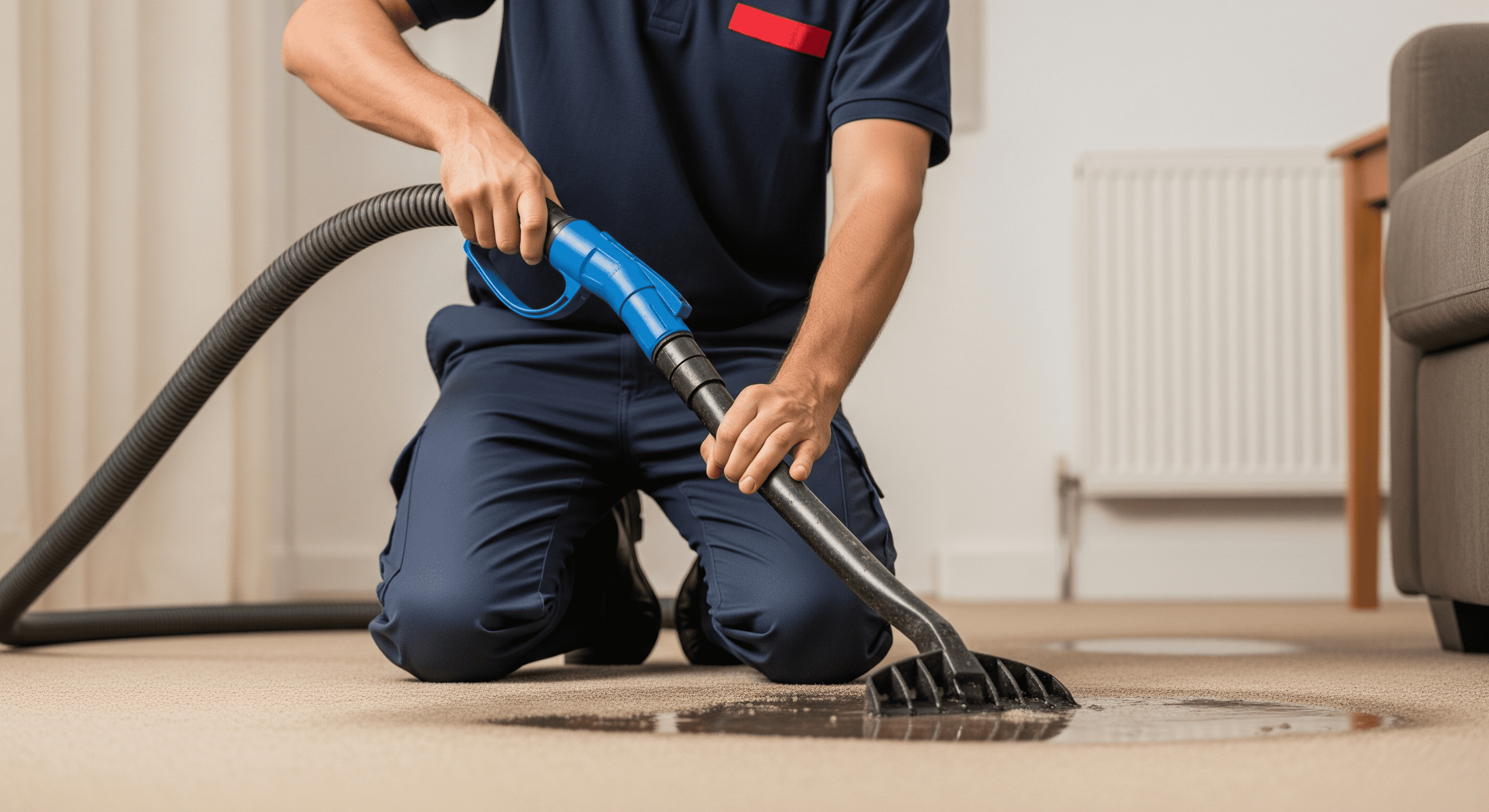
Hidden Dangers of Water Damage Cleanup: What Homeowners Often Miss (and How Pros Fix It)
Introduction
Water damage cleanup is rarely as simple as drying out wet floors and repainting walls. What seems like a quick fix often hides deeper problems — trapped moisture, unseen mold, and compromised materials that quietly worsen over time. Whether caused by a burst pipe, flood, or roof leak, proper restoration requires more than just mops and fans. It takes professional-grade equipment, expertise, and precision to restore your home to a safe, dry condition.
Jump To:
TLDR Quick Guide
- Most homeowners underestimate the extent of hidden water damage behind walls and under floors.
- Professionals use advanced tools like moisture meters and thermal imaging to detect unseen moisture.
- DIY cleanup often leaves behind mold, structural damage, and health hazards.
- Act fast — within 24–48 hours — to avoid costly repairs and mold growth.
- Hire certified experts for comprehensive drying, sanitization, and restoration.
What Homeowners Commonly Miss During Water Damage Cleanup
1. Hidden Moisture Beneath Surfaces
Even after visible water is removed, moisture can linger inside drywall, insulation, and subfloors. This hidden dampness leads to mold growth, odor, and structural weakening. Professionals use infrared cameras and hygrometers to ensure every trace of water is eliminated.
2. Incomplete Drying
DIY drying methods like household fans or dehumidifiers often fail to reach deeper materials. Incomplete drying causes secondary damage, such as swelling, cracking, or warping of wood and drywall. Restoration experts utilize industrial-grade air movers and desiccant dehumidifiers to accelerate evaporation evenly across affected areas.
3. Ignoring Air Quality and Contamination
Floodwaters or leaks can introduce bacteria, sewage, and allergens into the home. Homeowners often neglect sanitization, focusing only on visible cleanup. Certified restoration teams use EPA-approved antimicrobial solutions to disinfect affected surfaces and restore indoor air safety.
4. Failure to Address Structural and Electrical Risks
Water infiltration compromises structural elements and may create electrical hazards behind walls. Professionals inspect framing, wiring, and insulation to ensure safety before restoration continues. Overlooking this can lead to long-term safety risks and costly future repairs.
5. Skipping Post-Restoration Verification
After cleanup, many homeowners assume the problem is solved. However, without post-remediation verification, moisture may remain trapped in hidden cavities. Experts conduct final moisture readings and documentation to certify that the area is truly dry and safe.
How Professionals Handle Water Damage the Right Way
Step 1: Assessment and Inspection
Certified technicians assess the source, extent, and category of water damage (clean, gray, or black water). Using advanced detection tools, they map moisture distribution and create a custom restoration plan.
Step 2: Water Extraction
High-capacity pumps and wet vacuums remove standing water swiftly. The faster the extraction, the less likely materials are to deteriorate or grow mold.
Step 3: Drying and Dehumidification
Industrial dehumidifiers and air movers target both surface and deep-layer moisture. This process may take several days but ensures comprehensive drying of structural materials.
Step 4: Cleaning and Sanitization
Professionals disinfect, deodorize, and remove contaminants. This step protects against microbial growth and restores healthy indoor air quality.
Step 5: Restoration and Repairs
The final phase involves repairing or replacing damaged materials — flooring, drywall, insulation, or paint. Reputable companies like Disaster Experts handle both cleanup and reconstruction for full property recovery.
Key Takeaways
- Moisture hides deep — DIY cleanup often misses structural dampness.
- Mold starts fast — within 24–48 hours after water exposure.
- Professional drying is essential to prevent odor, rot, and contamination.
- Always verify dryness with moisture readings before closing up walls.
- Partnering with experts saves time, money, and future headaches.
FAQs
1. How long does professional water damage cleanup take?
The timeline depends on the severity of damage and materials affected. Minor leaks can dry in 2–3 days, while full flooding may require a week or more. Professionals use moisture meters to verify when drying is complete before restoration begins.
2. Can I handle water damage cleanup myself?
Small spills can be managed with towels and fans, but larger incidents need expert attention. DIY methods often miss moisture trapped under flooring or inside walls. Professionals prevent mold and structural damage with specialized drying equipment.
3. Will my homeowner’s insurance cover water damage cleanup?
Coverage depends on the source of the water damage. Sudden and accidental events like burst pipes are typically covered, while gradual leaks or floodwaters may not be. Always document damage and contact your insurer immediately after discovery.
4. How soon should cleanup begin after water damage?
Cleanup should begin immediately, ideally within 24 hours. The longer water remains, the greater the risk of mold growth and permanent damage. Professionals prioritize rapid response to minimize loss and health risks.
5. What signs indicate hidden water damage?
Watch for musty odors, bubbling paint, or soft drywall — these are red flags. Discoloration or warped flooring also suggests trapped moisture. Experts use thermal cameras to detect hidden damp areas before they worsen.