
Why Structural Drying Failures Lead to Hidden and Long-Term Property Damage
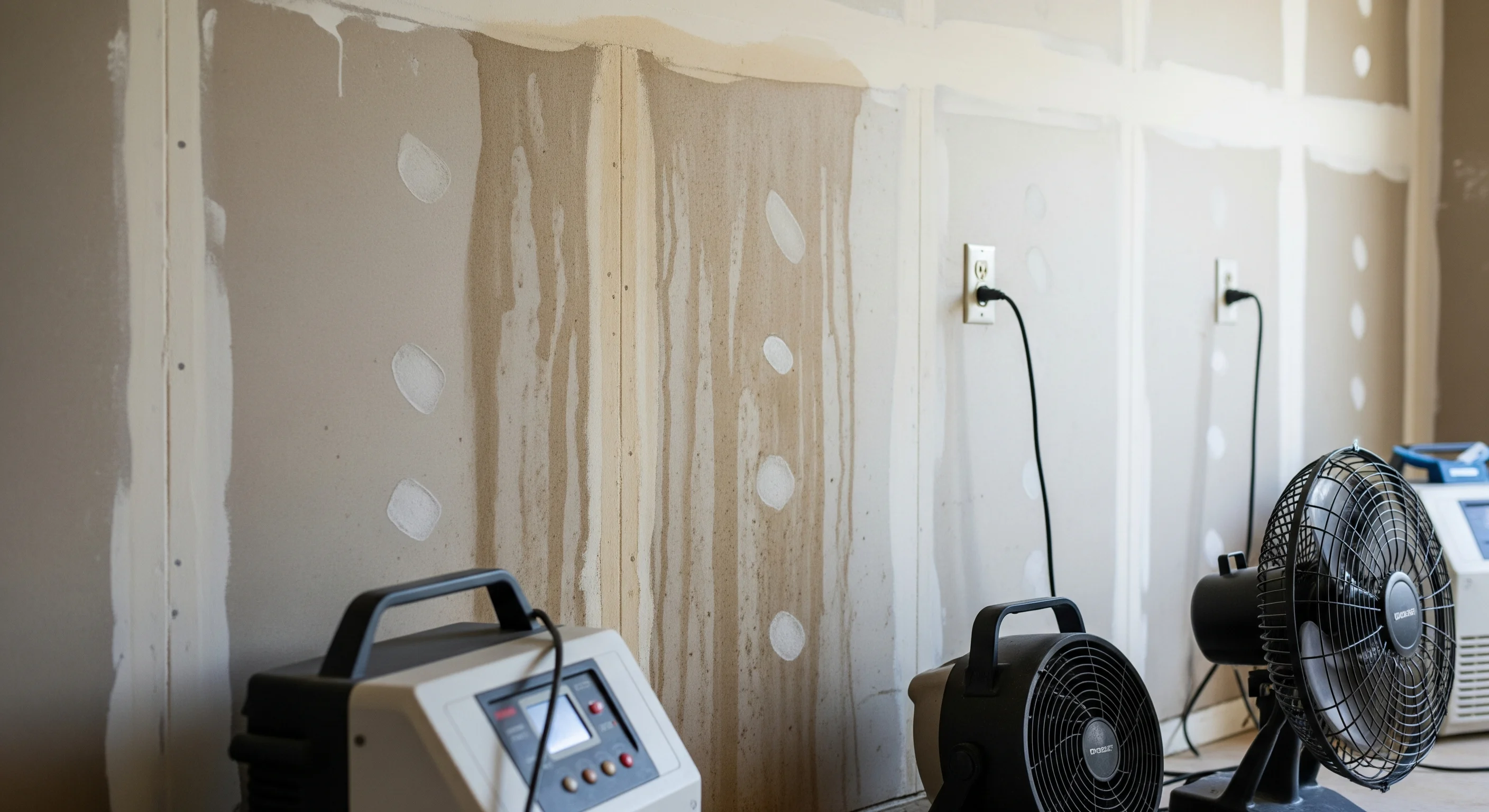
After water damage, many property owners assume that once surfaces feel dry, the problem is solved. In reality, structural drying failures are one of the most common reasons hidden damage develops months—or even years—later. Moisture trapped inside walls, floors, and structural materials quietly degrades a building from the inside out. Understanding why proper structural drying matters is critical to protecting both property value and occupant health.
Jump To:
TLDR Quick Guide
- Structural drying goes far beyond surface-level drying
- Hidden moisture leads to mold, rot, and structural failure
- Inadequate drying often causes delayed insurance disputes
- Proper equipment and monitoring are essential
- Early professional intervention prevents long-term damage
What Structural Drying Actually Involves
Drying the Structure, Not Just the Space
Structural drying targets moisture trapped in framing, subfloors, insulation, and wall cavities. Air movement and dehumidification must be calculated, not guessed. Drying the air alone does not remove moisture from building materials.
Why Surface Dryness Is Misleading
Walls and floors can feel dry while moisture remains deep inside. This trapped moisture creates ideal conditions for microbial growth and material breakdown. Without moisture mapping, these problems go undetected.
Why Structural Drying Fails
Incomplete Moisture Detection
Drying failures often start with missed moisture pockets. Without thermal imaging and moisture meters, affected areas remain untreated. These hidden zones later become sources of damage.
Improper Equipment or Setup
Incorrect air mover placement or undersized dehumidification slows evaporation. Drying systems must match the structure and moisture load. Improvised setups almost always fall short.
Hidden Damage Caused by Poor Structural Drying
Mold Growth Behind Walls and Floors
Moisture left inside walls fuels mold growth within 24–48 hours. Mold often spreads invisibly before odors or health symptoms appear. Professional water damage restoration prevents this escalation.
Wood Rot and Structural Weakening
Prolonged moisture exposure degrades wood framing and subfloors. Structural integrity slowly declines without visible warning signs. Repairs become far more extensive when drying is delayed.
Long-Term Consequences Property Owners Don’t Expect
Recurring Odors and Indoor Air Quality Issues
Trapped moisture causes persistent musty odors and airborne contaminants. These issues often return even after cosmetic repairs. Proper drying is the only permanent solution.
Insurance and Liability Complications
Insurance claims may be denied if drying was inadequate or undocumented. Secondary damage caused by moisture retention can shift liability back to the owner. Professional documentation protects all parties.
Why Emergency Restoration Matters
Time Is the Critical Variable
The longer moisture remains, the harder it is to remove. Immediate response minimizes absorption into structural materials. Services like emergency restoration stop damage progression early.
Different Water Sources Require Different Drying Approaches
Clean water, sewage, and stormwater each present unique challenges. Contaminated water requires sanitation before drying can even begin. Situations involving waste require specialized services such as sewage cleanup .
When Structural Drying Leads to Repairs
Drying Alone Isn’t Always Enough
If moisture causes warping, delamination, or rot, repairs may be required even after drying. Structural components must be evaluated for integrity. In those cases, professional structural repairs restore safety and value.
Commercial Properties Face Higher Risk
Larger structures dry unevenly and trap moisture longer. Downtime, code compliance, and liability risks are higher. This makes professional commercial restoration essential.
Key Takeaways
- Structural drying failures create hidden, long-term damage
- Surface dryness does not mean materials are dry
- Missed moisture leads to mold, rot, and odors
- Proper equipment and monitoring are non-negotiable
- Early professional drying protects property and value
FAQs
1. How long does proper structural drying take?
Drying timelines vary based on materials, moisture level, and environment. Most structures require several days of controlled drying. Monitoring ensures materials reach safe moisture levels before equipment is removed.
2. Can hidden moisture really cause damage months later?
Yes—trapped moisture continues degrading materials over time. Mold and rot often develop silently before symptoms appear. By the time issues surface, damage is usually extensive.
3. Is structural drying different from using fans or heaters?
Very different. Structural drying uses calculated airflow, dehumidification, and moisture tracking. Fans alone only dry surfaces and often worsen hidden moisture issues.
4. Does insurance require professional structural drying?
Most policies expect industry-standard mitigation. Improper drying can jeopardize coverage for secondary damage. Documentation from professionals protects your claim.
5. When should I call a restoration professional?
Immediately after water intrusion—regardless of severity. Early assessment prevents hidden damage from forming. Delays almost always increase cost and complexity.