
Storm Damage Repair Priorities That Help Prevent Secondary Property Damage
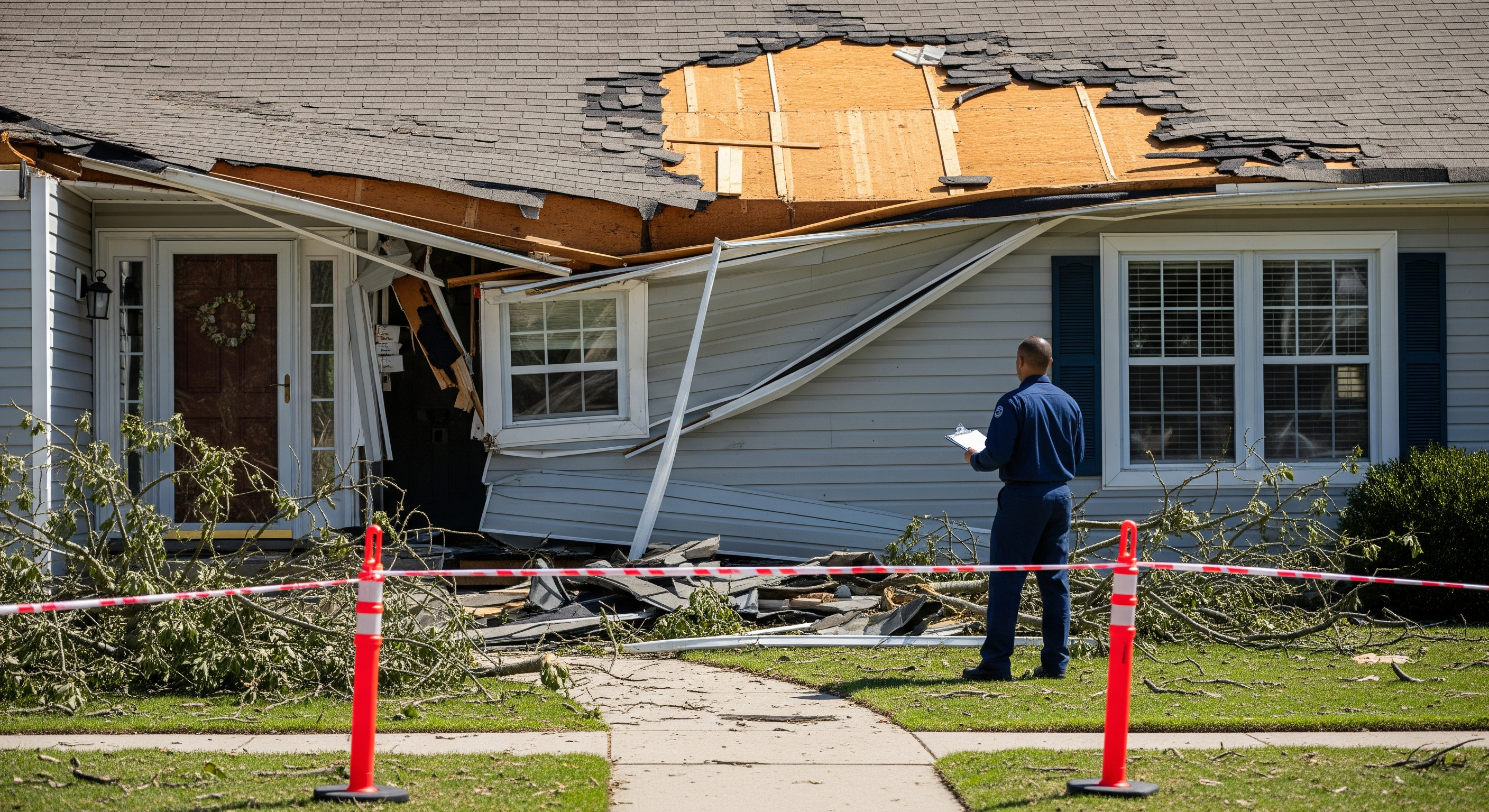
After a severe storm, visible damage often distracts property owners from the most urgent threats. Roof debris, broken siding, or fallen trees are obvious—but secondary damage caused by delayed repairs can be far more costly. Understanding storm damage repair priorities after severe weather helps homeowners and property managers act strategically instead of reactively. The goal isn’t just restoring what’s broken—it’s preventing cascading damage that worsens with time.
Why Secondary Damage Is the Real Threat
Storm Damage Rarely Stops on Day One
Wind, hail, and heavy rain create openings that allow water intrusion long after the storm passes. Moisture spreads silently through walls and ceilings. What starts small escalates quickly.
Insurance Claims Get More Complicated
Secondary damage caused by delays can complicate coverage. Insurers often expect reasonable mitigation steps. Acting early protects both the property and the claim.
Repair Costs Multiply Over Time
Unaddressed damage compounds. Water leads to mold, rot, and electrical issues. Early intervention saves thousands.
Priority #1: Stop Active Water Intrusion
Roof and Exterior Openings
Missing shingles, punctures, and flashing failures allow rain to enter immediately. Temporary tarping or sealing is critical. This prevents interior saturation.
Broken Windows and Doors
Even small breaches allow wind-driven rain inside. Boarding or temporary sealing protects interior finishes. Exposure accelerates deterioration.
Why Water Comes First
Water damage spreads faster than any other storm-related issue. Immediate mitigation limits impact. Services likewater damage restorationfocus on rapid extraction and drying to stop progression.
Priority #2: Assess Structural Safety
Compromised Roofs and Load-Bearing Elements
Storms can weaken trusses, rafters, and supports. These issues aren’t always visible. Structural instability poses serious safety risks.
Foundation and Framing Concerns
Flooding or prolonged saturation can undermine foundations and framing. Cracks, shifting, or soft spots require evaluation. Ignoring these risks endangers occupants.
Professional Structural Evaluation
Structural issues demand expert assessment. Repairs may require reinforcement before cosmetic work.Structural repairsaddress these critical elements first.
Priority #3: Remove Standing Water and Saturated Materials
Hidden Moisture Is a Silent Threat
Water trapped behind walls or under flooring leads to mold within days. Drying the surface isn’t enough. Moisture detection tools identify hidden saturation.
Material Removal Prevents Mold
Wet drywall, insulation, and carpet may need removal. Salvaging materials too long increases contamination risk. Controlled demolition prevents spread.
Why Drying Must Be Immediate
Drying within the first 24–48 hours dramatically reduces secondary damage. Delays almost guarantee microbial growth. Fast response matters.
Priority #4: Prevent Mold and Contamination
Storms Create Ideal Mold Conditions
Warm temperatures, moisture, and organic materials accelerate mold growth. Mold impacts health and property value. Prevention is cheaper than remediation.
Sewage and Floodwater Risks
Storm flooding may introduce contaminants. Sewage exposure requires specialized cleanup.Sewage cleanupensures proper sanitation and safety.
Air Quality Matters
Spores and contaminants spread through HVAC systems. Addressing mold early protects indoor air quality. This safeguards occupants.
Priority #5: Secure the Property
Prevent Theft and Vandalism
Storm-damaged properties are vulnerable. Broken windows and doors attract unwanted attention. Securing the site reduces risk.
Limit Additional Weather Exposure
Temporary fencing, boarding, and coverings prevent further damage. Weather rarely cooperates after storms. Protection buys time.
Emergency Response Coordination
Emergency services streamline stabilization efforts.Emergency restorationteams coordinate mitigation efficiently.
Why Cosmetic Repairs Come Last
Aesthetic Repairs Hide Ongoing Damage
Painting over wet drywall or replacing flooring before drying traps moisture. This leads to failure later. Cosmetic fixes should wait.
Sequence Determines Success
Mitigation → drying → structural repair → cosmetic restoration. Skipping steps guarantees problems. Order matters.
Long-Term Value Depends on Proper Priorities
Correct sequencing protects property value. Shortcuts increase future repair costs. Discipline saves money.
Commercial Properties Have Higher Stakes
Business Interruption Risks
Storm damage impacts operations. Secondary damage prolongs downtime. Speed protects revenue.
Compliance and Safety Requirements
Commercial properties face stricter regulations. Mold or structural issues can halt operations.Commercial restorationaddresses these needs.
Coordinated Restoration Planning
Commercial recovery requires coordination across systems. Prioritization prevents cascading losses. Professional oversight is essential.
Key Takeaways
- Storm damage repair priorities after severe weather focus on preventing further damage.
- Water intrusion must be stopped immediately.
- Structural safety should be assessed early.
- Mold prevention depends on fast drying and material removal.
- Correct repair sequencing protects property value.
FAQs
1. What should be repaired first after storm damage?
Stopping active water intrusion is the top priority. Roof and exterior breaches must be secured immediately. This prevents secondary damage.
2. How quickly does secondary damage occur?
Secondary damage can begin within hours. Mold may start forming within 24–48 hours. Delays significantly increase costs.
3. Can cosmetic repairs wait after a storm?
Yes—and they should. Structural and moisture issues must be resolved first. Cosmetic repairs too early often fail.
4. Is professional restoration necessary after severe storms?
In most cases, yes. Hidden moisture and structural risks require expertise. Professional restoration reduces long-term damage.
5. How do I prevent insurance claim issues after a storm?
Document damage and mitigate promptly. Insurers expect reasonable action to prevent further loss. Early repairs protect coverage.