
Signs You Need Burst Pipe Repair Before Water Damage Becomes Severe
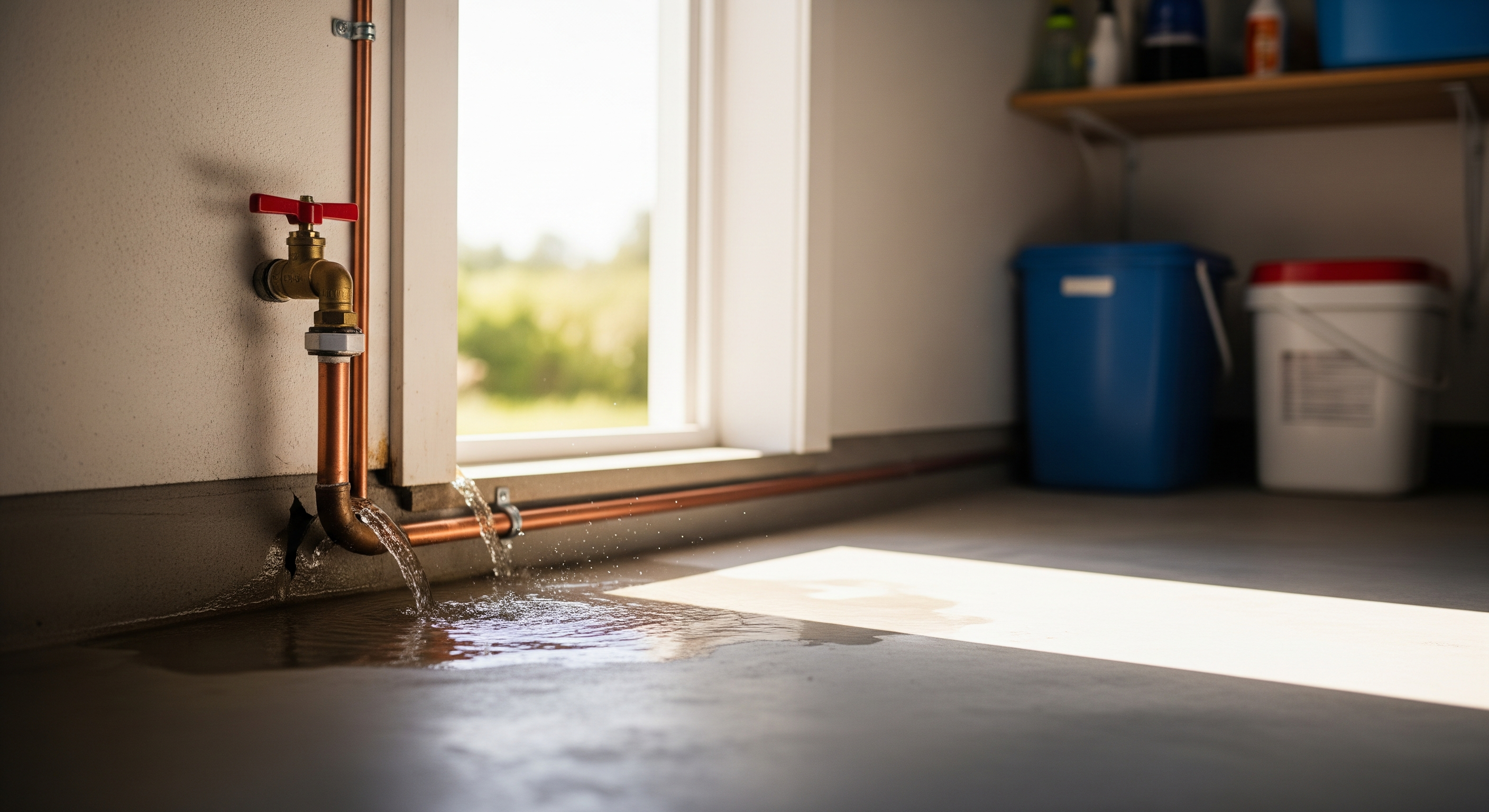
Burst pipes rarely happen without warning. In most cases, there are subtle but critical signs long before water damage becomes obvious and destructive. Homeowners often miss these early indicators or assume they’re minor plumbing issues, only to face extensive repairs later. Recognizing the signs you need burst pipe repair early can prevent structural damage, mold growth, and expensive restoration work.
TLDR Quick Guide
- Burst pipes often show warning signs before failure
- Unexplained moisture and pressure changes are red flags
- Small leaks can signal major internal pipe damage
- Ignoring early symptoms increases repair costs
- Fast action prevents widespread water damage
Unexplained Drops in Water Pressure
Why Pressure Changes Matter
A sudden or gradual drop in water pressure often indicates a pipe compromise. Cracks, pinhole leaks, or partial ruptures reduce water flow before a pipe fully bursts. These pressure changes are frequently dismissed as municipal issues when they’re actually internal.
Hidden Pipe Damage Behind Walls
When pressure drops without explanation, water may be escaping into walls or floors. This hidden moisture weakens materials over time. By the time visible damage appears, the problem has escalated.
Early detection can prevent the need for full water damage restoration services.
Persistent Damp Spots or Water Stains
Moisture That Doesn’t Dry Out
Damp spots on ceilings, walls, or floors that never fully dry are a major warning sign. These stains often indicate slow leaks from pressurized pipes. Over time, constant moisture leads to material breakdown.
Why Paint and Drywall React First
Paint bubbling, discoloration, or soft drywall are early indicators of internal leaks. These cosmetic changes usually appear before structural damage. Ignoring them allows water to spread deeper into the home.
Unusual Sounds in Plumbing Lines
Banging, Whistling, or Hissing Noises
Pipes should not make loud or persistent noises. Banging or whistling can signal pressure buildup or restricted flow. Hissing often indicates water escaping through small cracks.
Why Sounds Precede Pipe Failure
As damage worsens, pipes strain under pressure. These sounds are mechanical warnings. Addressing them early can prevent sudden ruptures.
Unexpected Increases in Water Bills
Water Usage That Doesn’t Match Habits
A rising water bill without changes in usage is a common sign of hidden leaks. Even small leaks release large volumes over time. The cost impact compounds quickly.
Financial Clues to Physical Damage
Utility bills often reveal problems before homeowners notice physical symptoms. Reviewing usage patterns helps catch issues early. Ignoring this sign allows damage to grow unnoticed.
Musty Odors or Mold Growth
Why Smell Is a Serious Indicator
Persistent musty smells often point to moisture trapped in walls or floors. This moisture may originate from a leaking pipe. Odor usually appears after prolonged exposure.
Health and Structural Risks
Mold growth signals that water damage has progressed. This introduces health risks and structural concerns. At this stage, repairs often extend beyond plumbing into remediation.
Unchecked leaks frequently lead to structural repairs and secondary restoration work.
Visible Corrosion or Pipe Discoloration
What Corrosion Tells You
Rust, discoloration, or flaking on exposed pipes indicates weakening materials. Corrosion reduces pipe integrity. This increases the likelihood of bursting under pressure.
Why Aging Pipes Fail Suddenly
Pipes don’t fail gradually at the surface—they weaken internally first. Visible corrosion is often the final warning. Replacement or repair should not be delayed.
Why Early Burst Pipe Repair Matters
Small Repairs Prevent Large Losses
Addressing early signs is significantly less expensive than repairing widespread water damage. Quick repairs limit moisture spread. This preserves walls, flooring, and framing.
When to Call a Professional
If multiple warning signs appear, professional assessment is critical. Experts identify damage scope and prevent escalation. This proactive approach saves time and money.
At Disaster Experts, early intervention is key to protecting both property and insurance outcomes through timely emergency restoration support when needed.
Key Takeaways
- Burst pipes often show warning signs before failure
- Pressure changes and moisture are early red flags
- Sounds and odors indicate worsening conditions
- Delayed action leads to severe water damage
- Early repair protects structure and costs
FAQs
1. Can a pipe leak without visible water damage?
Yes—many leaks occur behind walls or under floors. Water can spread silently for weeks. Visible damage appears late in the process.
2. Is low water pressure always a plumbing issue?
Not always, but it should be investigated. Internal leaks are a common cause. Ruling out pipe damage early prevents escalation.
3. How fast can water damage spread from a burst pipe?
Very quickly—water moves through porous materials within minutes. Damage compounds hour by hour. Early action is critical.
4. Should I shut off water if I suspect a burst pipe?
Yes—if safe to do so. Shutting off water limits damage. A professional should inspect the system immediately after.
5. When does a burst pipe become an emergency?
As soon as leaks affect walls, ceilings, or flooring. At that point, structural and mold risks increase. Professional response is essential.