
Sewage Cleanup in Denver Homes: How Professionals Control Contamination and Odors
Introduction
Sewage backups are one of the most hazardous problems a homeowner can face, and they require immediate, professional attention. In Denver homes, aging sewer lines, heavy storms, and basement plumbing can increase the risk of sewage exposure. Beyond the obvious mess, sewage introduces harmful bacteria, viruses, and toxic gases that can compromise indoor air quality. Understanding how professionals manage contamination and odor control explains why DIY cleanup is not only ineffective—but dangerous.
Jump To:
TLDR Quick Guide
- Sewage cleanup in Denver requires specialized containment, sanitization, and odor control due to health risks.
- Raw sewage contains bacteria and pathogens that spread quickly without proper isolation.
- Professional crews use PPE, negative air pressure, and antimicrobial treatments to stop contamination.
- Odor control involves more than masking smells—it requires source removal and deep cleaning.
- Fast response reduces structural damage and prevents secondary issues like mold growth.
Why Sewage Damage Is a Serious Health Risk
Biological Contaminants Spread Quickly
Raw sewage is classified as Category 3 water, meaning it contains dangerous pathogens. These contaminants can spread through porous materials like carpet, drywall, and insulation within minutes. Without proper containment, bacteria can migrate throughout the home.
Airborne Exposure and Cross-Contamination
As sewage dries, particles can become airborne and circulate through HVAC systems. This spreads contamination beyond the original affected area. Professional cleanup isolates the space to prevent exposure in other rooms.
Risk to Occupants and Pets
Direct contact with sewage can cause serious illness, especially for children, elderly residents, and pets. Professional remediation protects everyone in the household by removing biohazards at the source.
How Professionals Contain Sewage Contamination
Immediate Area Isolation
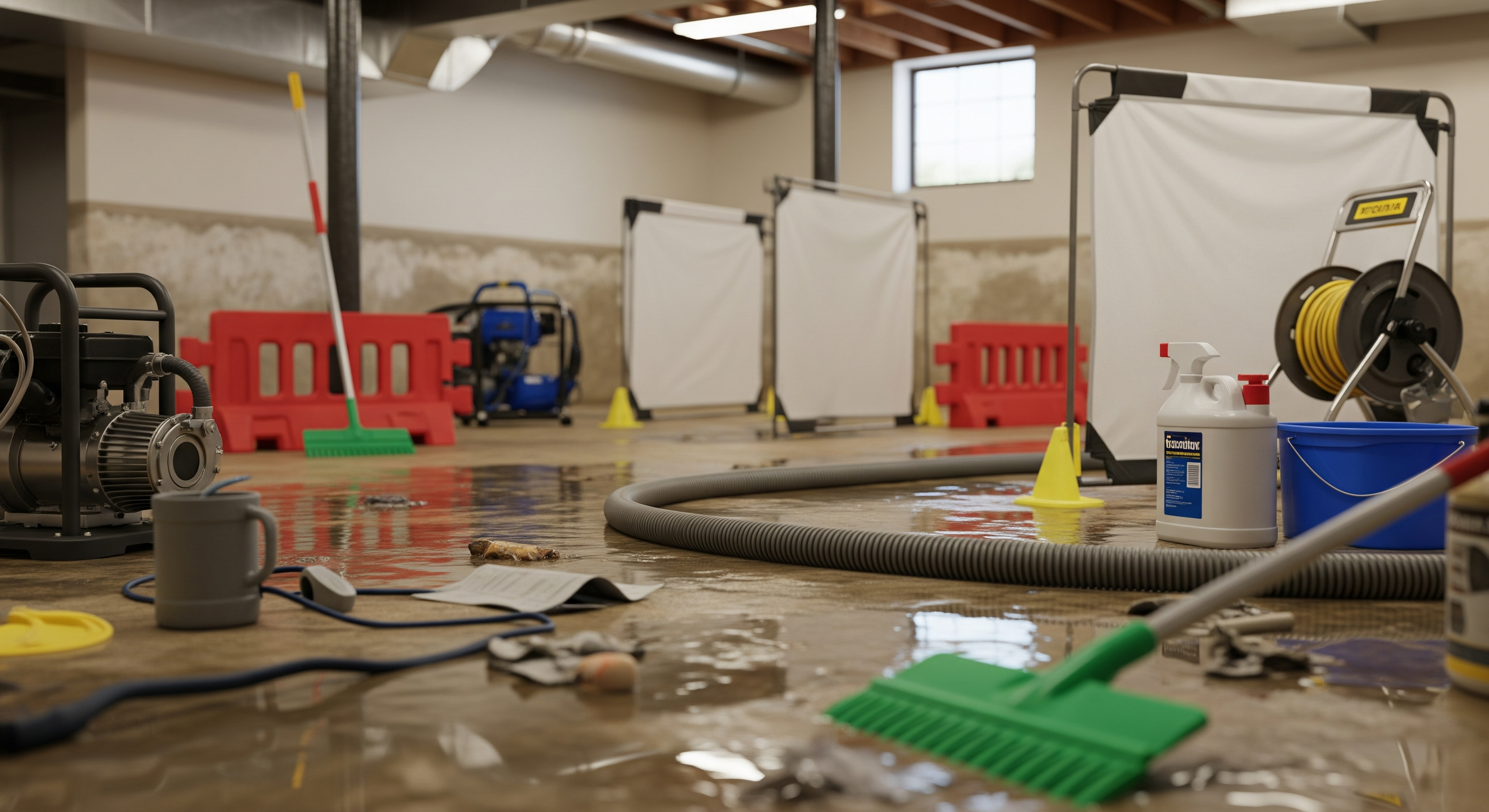
Cleanup begins with sealing off the affected area using containment barriers and negative air pressure. This prevents contaminated air from spreading. Only trained technicians with protective equipment enter the space.
Protective Equipment and Safety Protocols
Professionals wear full PPE, including respirators, gloves, and protective suits. This ensures safe handling of contaminated materials. Proper disposal methods are used to comply with health and environmental regulations.
Removal of Unsalvageable Materials
Porous materials exposed to sewage are typically removed and discarded. This includes carpet, padding, and damaged drywall. Removing contaminated materials is critical for long-term safety and odor elimination.
Odor Control: Eliminating the Source, Not Masking Smells
Deep Cleaning and Disinfection
Odors persist when bacteria remain embedded in surfaces. Professionals use hospital-grade disinfectants to neutralize bacteria at a molecular level. This step is essential to prevent recurring smells.
Advanced Deodorization Techniques
Industrial air scrubbers and hydroxyl or ozone treatments are often used to break down odor-causing compounds. These methods target airborne contaminants, not just surface smells. Effective odor control restores indoor air quality.
Drying and Moisture Management
Lingering moisture can reactivate odors and encourage microbial growth. Professional drying equipment ensures all affected areas are completely dry. This also reduces the risk of future water-related issues.
Why Sewage Cleanup Often Involves Additional Services
Water Damage Restoration
Sewage backups often saturate floors and walls, requiring professionalwater damage restorationto fully dry and stabilize the structure. Without proper drying, hidden moisture can lead to mold and structural weakening. Coordinated restoration ensures the home is safe and sound.
Emergency Response
Sewage incidents are time-sensitive emergencies that worsen by the hour. Professionalemergency restorationteams respond quickly to limit damage and contamination. Rapid action protects both health and property value.
Specialized Sewage Cleanup
Dedicatedsewage cleanupservices are designed to handle biohazards safely. These teams follow strict protocols to ensure complete decontamination. This level of care cannot be replicated with household cleaning products.
What Homeowners Should Expect During Cleanup
Inspection and Assessment
Technicians assess the extent of contamination using moisture meters and visual inspections. This identifies hidden affected areas. A clear plan is created before cleanup begins.
Controlled Cleanup and Restoration
Cleanup proceeds in stages to ensure safety and thoroughness. Sanitization, deodorization, and drying are carefully monitored. Restoration may follow once the area is confirmed safe.
Clearance and Verification
Final testing ensures contaminants and odors are fully eliminated. Only then is the area cleared for reoccupation. This step provides peace of mind for homeowners.
Key Takeaways
- Sewage cleanup in Denver requires professional biohazard handling.
- Containment prevents contamination from spreading through the home.
- True odor control removes bacteria, not just surface smells.
- Fast response minimizes health risks and structural damage.
- Professional cleanup restores safety, comfort, and indoor air quality.
FAQs
1. Why is sewage cleanup more dangerous than regular water damage?
Sewage contains harmful bacteria, viruses, and toxins that pose serious health risks. Unlike clean water, it can cause illness through contact or airborne exposure. Professional handling is required to safely remove contaminants.
2. Can I clean sewage damage myself?
DIY cleanup is strongly discouraged due to health hazards and incomplete sanitization. Household cleaners cannot fully neutralize biohazards. Professional equipment and protocols are essential for safe results.
3. How long does professional sewage cleanup take?
Cleanup timelines vary based on the extent of contamination and material damage. Initial cleanup may take a few days, followed by drying and restoration. Thoroughness is more important than speed for safety.
4. Will sewage odors come back after cleanup?
If cleanup is done correctly, odors should not return. Professionals remove the source of the smell rather than masking it. Persistent odors usually indicate incomplete decontamination.
5. Does sewage cleanup affect my home’s structure?
Yes, sewage can weaken flooring, walls, and substructures if not addressed quickly. Professional cleanup prevents long-term damage and prepares the area for repairs. Early intervention protects your home’s integrity.