
Which Recoverable Items After a Fire Disaster Can Be Saved and Which Cannot
Introduction
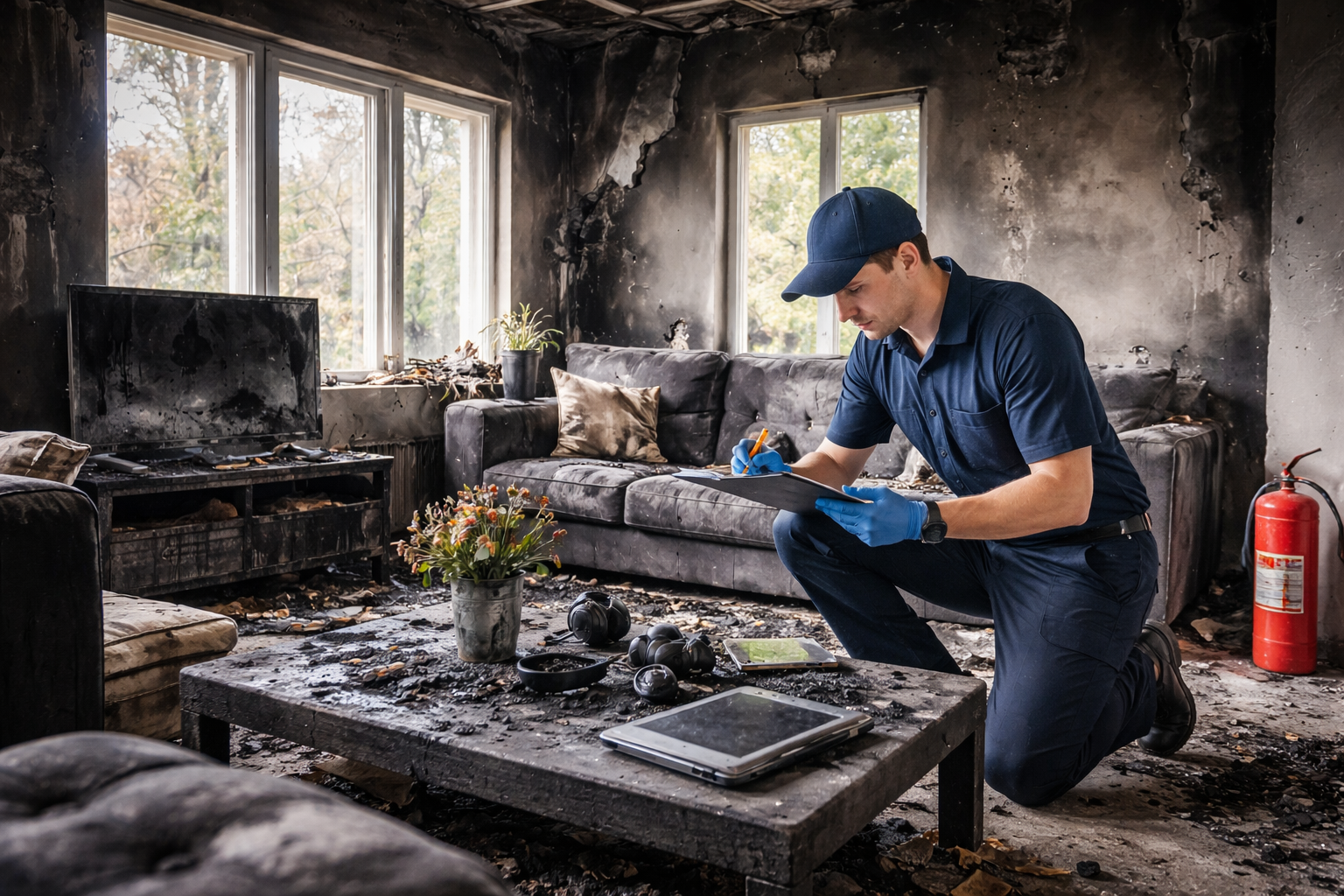
A house fire is one of the most devastating events a property owner can experience. Beyond structural damage, the loss of personal belongings often carries the greatest emotional impact. In the aftermath, many people ask the same urgent question: which Recoverable Items After Fire Disaster can actually be saved?
The answer depends on several factors, including the intensity of the fire, the extent of smoke and soot damage, and how quickly restoration begins. While some items may appear completely destroyed, professional restoration techniques can often salvage more than expected. At the same time, certain materials may be too damaged or unsafe to recover.
Understanding what can and cannot be saved helps homeowners make informed decisions during a stressful time. With the right approach—and support from professionals like Disaster Experts—recovery can begin faster and more effectively.
TLDR Quick Guide
Many items can be restored with proper fire damage restoration techniques.
Hard, non-porous items are more likely to be saved than porous materials.
Smoke damage can affect items even if they were not directly burned.
Electronics and furniture may be recoverable depending on exposure.
Immediate action and emergency restoration increase the chances of saving belongings.
What Determines If Items Can Be Recovered?
Level of Heat and Fire Exposure
The intensity of the fire plays a major role in determining whether items can be salvaged. Direct exposure to flames often causes irreversible damage, especially for materials that burn or melt easily.
However, items located further from the fire may only experience smoke or heat exposure, which can often be treated through specialized cleaning and restoration processes.
Smoke and Soot Penetration
Smoke can travel throughout a property, affecting areas that were not directly touched by flames. Soot particles can embed themselves into surfaces, fabrics, and electronics, causing discoloration, odor, and long-term damage.
The longer smoke residue sits, the more difficult it becomes to remove. This is why immediate restoration is critical.
Items That Are Often Recoverable After a Fire
Metal, Glass, and Hard Surfaces
Non-porous materials such as metal and glass are among the easiest items to restore. These materials do not absorb smoke or soot as deeply, allowing professionals to clean and restore them effectively.
Examples include:
cookware and utensils
glassware
metal fixtures
These items can often be returned to usable condition with proper cleaning.
Furniture with Limited Damage
Furniture that has not been directly burned may still be recoverable. Wooden and metal furniture can often be cleaned, deodorized, and refinished.
Upholstered furniture may be salvageable depending on the extent of smoke penetration. Professional cleaning methods can remove odors and contaminants in some cases.
Electronics and Appliances
Electronics are delicate but not always a total loss. If they were not exposed to direct flames or water damage, they may be restored by professionals who specialize in electronic cleaning.
It is important not to power on electronics after a fire until they have been properly inspected.
Items That Are Often Not Recoverable
Heavily Burned Materials
Items that have been directly exposed to flames and severe heat are typically beyond repair. This includes materials that have melted, warped, or turned to ash.
These items often pose safety risks and should be discarded.
Porous Materials with Deep Smoke Damage
Porous materials such as mattresses, carpets, and certain fabrics absorb smoke and toxins deeply. In many cases, these items cannot be fully cleaned or deodorized.
Even if they appear intact, they may still contain harmful contaminants that make them unsafe to use.
Food and Consumables
Any food items exposed to heat, smoke, or firefighting chemicals should be discarded. Contamination can occur even if packaging appears undamaged.
This includes items stored in refrigerators and cabinets, as smoke can penetrate sealed environments.
The Role of Professional Restoration Services
Advanced Cleaning and Deodorization
Professional restoration companies use specialized equipment and techniques to remove soot, smoke odor, and contaminants. These methods go far beyond standard cleaning and can restore items that might otherwise be considered lost.
This includes ozone treatments, thermal fogging, and deep-cleaning processes designed to eliminate lingering odors.
Structural and Environmental Safety
Before belongings can be recovered, the property itself must be safe. Damage to walls, ceilings, and support structures may require professional repair.
Ensuring the building is secure allows restoration teams to safely assess and recover items without further risk.
Why Immediate Action Is Critical
Preventing Secondary Damage
After a fire, properties are often exposed to additional risks such as water damage from firefighting efforts or weather exposure. These factors can worsen the condition of already damaged items.
Prompt action helps prevent further deterioration and increases the chances of successful recovery.
Maximizing Salvage Opportunities
The sooner restoration begins, the more items can potentially be saved. Delays allow soot to settle deeper into materials and odors to become more difficult to remove.
Fast response teams can quickly stabilize the environment and begin the recovery process.
Key Takeaways
Not all fire-damaged items are lost—many can be professionally restored.
Smoke and soot damage are often more harmful than visible fire damage.
Structural elements may require structural repairs before items can be safely recovered.
Quick response significantly improves recovery outcomes.
Professional evaluation is essential to determine what is salvageable.
FAQs
What items are most likely to be saved after a fire?
Items made from non-porous materials like metal and glass are usually the easiest to restore. Furniture and electronics may also be recoverable depending on the level of damage. Professional cleaning plays a major role in determining what can be saved.
Can smoke-damaged items be fully restored?
In many cases, yes—especially if restoration begins quickly. Professional techniques can remove soot, odors, and contaminants from various materials. However, some porous items may still need to be replaced if damage is too severe.
Should I throw away everything after a fire?
No, not everything needs to be discarded. Many items can be restored with the help of professionals. It is best to have items evaluated before making decisions.
How soon should restoration begin after a fire?
Restoration should begin as soon as it is safe to enter the property. Quick action helps prevent additional damage and improves recovery outcomes. Delaying the process can reduce the chances of saving certain items.
Can professionals recover items I think are completely destroyed?
In many cases, yes—restoration experts can recover items that appear beyond repair. Specialized cleaning and repair techniques can restore a wide range of belongings. A professional assessment is the best way to determine what is salvageable.