
How Professional Structural Drying Services Protect Your Home from Hidden Secondary Damage
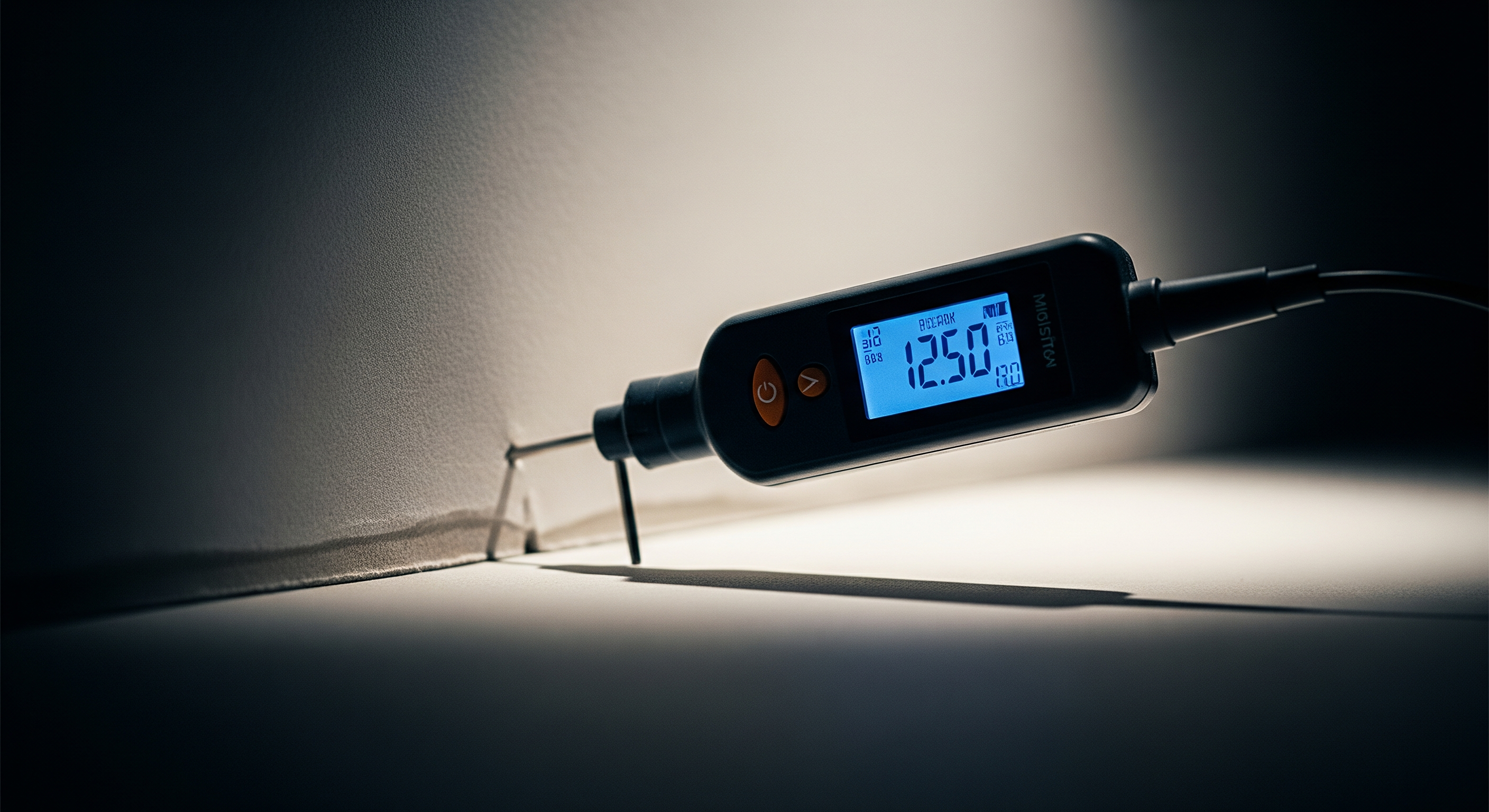
Water intrusion can destroy a property quietly and progressively. Even after visible water is removed, moisture trapped behind walls, in subfloors, or inside insulation continues causing deterioration long after the initial incident. Professional structural drying services ensure your home is restored safely by eliminating hidden moisture before it becomes a long-term—and expensive—problem.
Whether you’re dealing with a burst pipe, storm flooding, or sewage backup, a trusted emergency restoration provider like Disaster Experts ensures your property is fully protected from the kinds of hidden damage most homeowners never see until it’s too late.
TLDR Quick Guide
- Water damage doesn’t stop when the surface looks dry.
- Secondary damage—like mold, warped framing, and structural weakening—develops fast.
- Professional structural drying services use commercial-grade equipment, moisture mapping, and controlled drying to prevent long-term problems.
- Homeowners who rely on experts avoid costly repairs, insurance complications, and hidden deterioration.
What Is Structural Drying?
Structural drying is the scientific process of removing moisture from the building materials themselves—not just the surface water. It involves targeted techniques to dry framing, drywall, insulation, concrete, flooring, and interior cavities. Professional teams use a combination of air movers, commercial dehumidifiers, moisture meters, and thermal imaging to ensure every hidden pocket of moisture is eliminated.
This process restores the home’s structural integrity and prevents secondary damage that can weaken the building over time.
How Secondary Damage Develops After Water Exposure
Water damage follows a predictable—but destructive—pattern. Even small leaks can trigger a chain reaction of long-term issues:
1. Mold Growth Within 24–48 Hours
Moisture trapped behind walls or under flooring becomes a breeding ground for mold. Without controlled drying, mold colonies will spread rapidly through porous materials.
2. Structural Weakening
Wood absorbs moisture and begins to swell and warp. Over time, this compromises framing, subfloors, and drywall, leading to instability and costly reconstruction.
3. Deterioration of Building Materials
Drywall, insulation, OSB panels, and engineered flooring break down when exposed to sustained moisture. Even when it feels dry to the touch, the core may still be saturated.
4. Electrical and Mechanical Risks
Hidden moisture around wiring, junction boxes, and HVAC components increases fire risk and system failure.
This is why rapid, professional intervention through proven drying methods is essential.
Why Professional Structural Drying Services Matter
While DIY drying may handle visible water, it cannot detect moisture hidden deep inside your home’s structure. Professional restoration teams conduct:
- Moisture mapping using advanced sensors
- Thermal imaging to locate water within structural cavities
- Controlled drying environments for rapid moisture removal
- Drying validation reports—useful for insurance claims
- Comprehensive repairs and reconstruction, such as those offered by Disaster Experts’ structural repair services
Professionally executed drying prevents the widespread damage that homeowners often discover months later during inspections, remodeling, or resale.
The Structural Drying Process: Step-by-Step
1. Immediate Water Extraction
High-powered extractors remove standing water from carpets, floors, and surfaces. Teams specializing in water damage restoration often combine extraction and drying in coordinated phases.
2. Moisture Detection & Mapping
Technicians use hygrometers, thermal cameras, and penetrating moisture probes to identify moisture levels across walls, floors, ceilings, and framing.
3. Drying Chamber Setup
Air movers and dehumidifiers are strategically placed to create airflow patterns that draw moisture out of materials while preventing mold growth.
4. Structural Drying & Monitoring
Technicians monitor humidity, temperature, and moisture readings twice daily to ensure optimized drying conditions.
5. Post-Drying Validation
Once readings reach safe equilibrium-moisture levels, a drying report verifies the structure is safe, dry, and ready for repairs.
Common Mistakes Homeowners Make After Water Damage
Letting surfaces “air dry”
This does nothing for water trapped behind walls or under floors.
Delaying professional help
Secondary damage compounds with every hour of lingering moisture.
Not checking for moisture inside cavities
Even small leaks can saturate insulation and hidden structural elements.
Attempting DIY equipment use
Improper airflow or dehumidifier setup can worsen mold growth.
Professional services prevent these mistakes entirely, protecting both the structure and your long-term repair costs.
When to Call for Professional Structural Drying Services
Call immediately if your home experiences:
- Flooding or storm infiltration
- Burst pipes or plumbing leaks
- Sewage backups
- Appliance malfunctions
- Fire-related water suppression
- HVAC or roof leaks
Teams offering full emergency restoration, such as Disaster Experts' emergency services , can arrive quickly, assess the situation, and prevent escalating damage.
Key Takeaways
- Structural drying is not the same as basic water removal—it addresses hidden moisture inside walls, floors, and substructures.
- Secondary damage often appears days or weeks later, leading to mold, warped materials, and compromised framing.
- Professional teams use thermal imaging, hygrometers, and industrial dehumidifiers to ensure no moisture remains trapped.
- Homeowners who choose expert drying services save thousands by avoiding avoidable structural repairs.
- Companies like Disaster Experts offer complete restoration, from initial extraction to drying, repairs, and rebuilding.
FAQs
1. How fast do I need structural drying after water damage?
Structural drying should begin within the first 24 hours to prevent mold, warping, and material deterioration. Waiting longer allows moisture to penetrate deeper into walls and flooring. Rapid response is the key to minimizing both immediate and secondary damage.
2. Can I perform structural drying myself with rental equipment?
DIY equipment cannot detect moisture hidden within walls, insulation, or subfloors. Homeowners typically dry only the surface while deeper structural elements remain saturated. This often results in mold growth and expensive structural repairs later.
3. How long does professional structural drying take?
Most structural drying projects take 2–5 days depending on material thickness, water category, and humidity conditions. Professionals monitor moisture levels throughout the process to guarantee complete drying. They will not remove equipment until safe moisture levels are verified.
4. What happens if I skip structural drying after a leak?
Skipping professional drying almost always leads to delayed problems such as mold infestations, warped framing, foul odors, and weakened drywall. These issues may not appear immediately but worsen over time. Many insurance companies deny claims if proper drying wasn’t performed.
5. Will insurance cover structural drying services?
In most standard policies, sudden and accidental water damage—including professional drying—is covered. Documentation from restoration specialists strengthens your claim and speeds approval. Long-term or neglected leaks are often excluded, so fast action is essential.