
Why Insurance Adjusters and Restoration Teams Disagree on Damage Scope
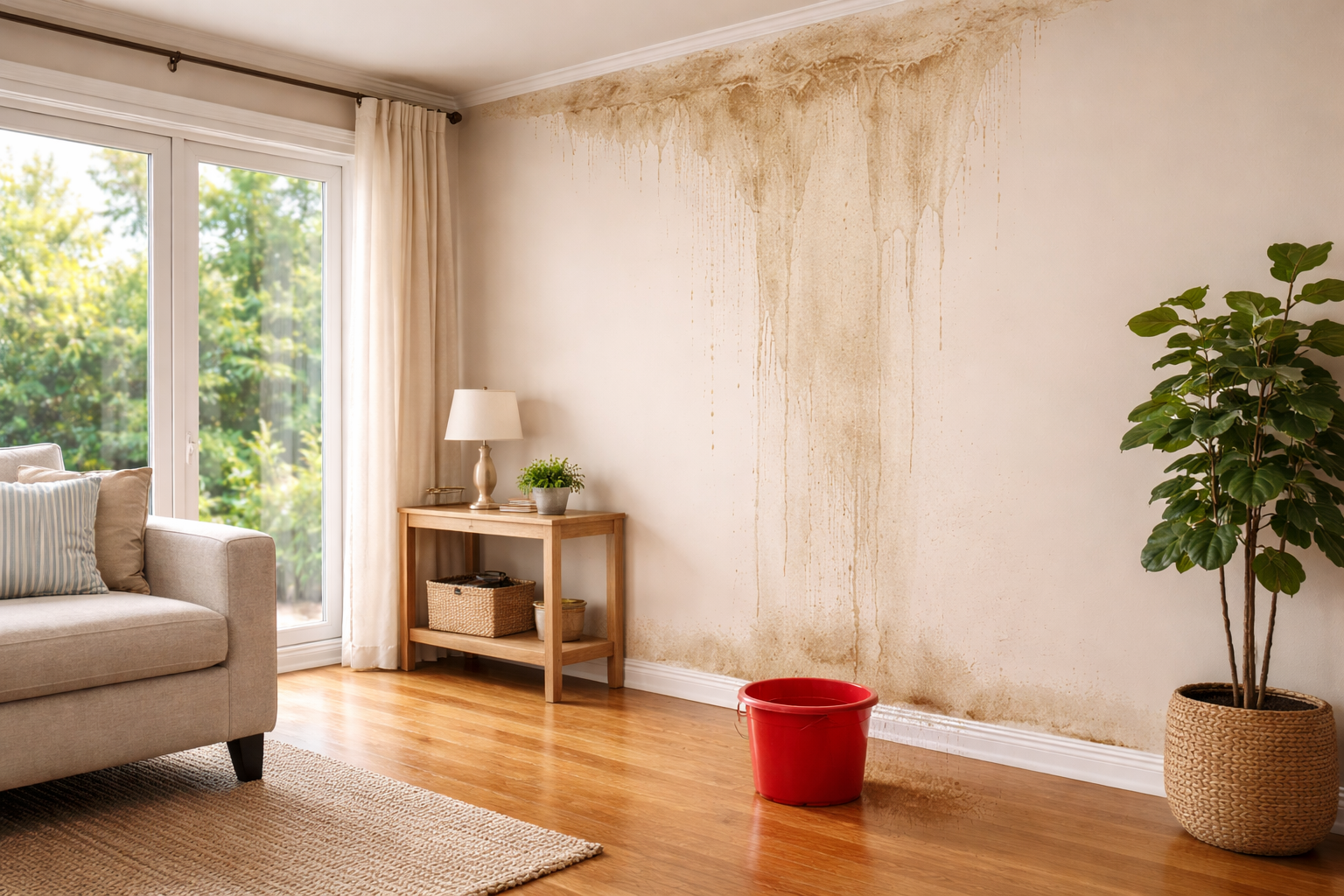
Introduction
After a disaster, one of the most frustrating parts of the recovery process isn't just the damage—it's the disagreement that often follows. Many property owners find themselves caught in the middle of insurance damage disputes, where insurance adjusters and restoration teams don't see eye to eye on what needs to be repaired or replaced.
This disconnect can delay repairs, reduce claim payouts, and create confusion during an already stressful situation. While both parties are working within their roles, their priorities and perspectives are often very different.
Understanding why these disagreements happen—and how to navigate them—can help homeowners protect their property, their finances, and their peace of mind.
TLDR Quick Guide
Insurance Damage Disputes — What You Need to Know
- Adjusters aim to control claim costs, while restoration teams focus on full recovery.
- Hidden damage is often the biggest point of disagreement.
- Immediate action through emergency restoration helps document damage early.
- Incomplete assessments can lead to underpaid claims.
- Professional documentation strengthens your position during disputes.
The Core Difference: Cost vs Complete Restoration
Insurance Adjusters Focus on Cost Control
Insurance adjusters are responsible for evaluating claims and determining how much the insurance company will pay. Their goal is to ensure that payouts align with policy coverage while minimizing unnecessary costs.
This often leads to conservative estimates that focus only on visible damage, rather than potential underlying issues.
Restoration Teams Focus on Full Recovery
Restoration professionals are focused on returning the property to its pre-loss condition. This includes identifying hidden damage, preventing future issues, and ensuring the structure is safe.
For example, after a flood or leak, water damage restoration teams will assess moisture behind walls, under flooring, and within structural components—areas that may not be immediately visible.
Hidden Damage: The Biggest Source of Disputes
What Adjusters May Overlook
Hidden damage is one of the most common reasons for insurance disputes. Moisture, smoke, and contaminants can spread beyond the visibly affected areas.
If not properly addressed, these hidden issues can lead to mold growth, structural weakening, or long-term damage.
Why Restoration Teams Push for More Coverage
Restoration professionals use specialized tools to detect moisture, contamination, and structural damage that may not be obvious. Their goal is to prevent future problems, not just fix what's visible.
For instance, after a sewage backup, sewage cleanup requires thorough sanitation and removal of contaminated materials—even if the damage appears minimal on the surface.
Timing and Documentation Challenges
Delayed Inspections Can Affect Claims
If there is a delay between the incident and the inspection, damage may worsen or change. This can make it harder to accurately assess the original cause and extent of the issue.
Quick response helps capture the full scope of damage before conditions change.
Importance of Proper Documentation
Detailed documentation is critical in resolving disputes. Photos, moisture readings, and professional reports provide evidence that supports the restoration team's findings.
Without this documentation, it becomes much harder to justify additional repairs or costs.
Differences in Damage Assessment Methods
Surface-Level vs Deep Inspection
Insurance adjusters often rely on visual inspections and standard estimating tools. While these methods are useful, they may not capture the full extent of damage.
Restoration teams, on the other hand, perform in-depth assessments that include moisture detection and structural analysis.
Long-Term Risk vs Immediate Repair
Adjusters may focus on immediate repair needs, while restoration teams consider long-term risks. Ignoring hidden damage can lead to recurring issues and additional claims in the future.
This difference in approach is a major source of disagreement.
How Homeowners Can Navigate Insurance Damage Disputes
Act Quickly After Damage Occurs
Time is one of the most important factors in any restoration situation. The sooner you act, the easier it is to document and prove the extent of damage.
Services like emergency restoration help stabilize the situation and prevent further deterioration.
Work With Experienced Restoration Professionals
Choosing a trusted restoration company ensures that all damage is properly identified and documented. Professionals can also communicate directly with insurance adjusters to clarify findings.
Companies like Disaster Experts understand how to bridge the gap between restoration needs and insurance requirements.
Why These Disputes Matter More Than You Think
Risk of Incomplete Repairs
If damage is underestimated, repairs may not fully address the problem. This can lead to recurring issues, additional costs, and reduced property value.
Ensuring the full scope of damage is covered protects your home in the long term.
Financial Impact on Homeowners
Insurance damage disputes can result in out-of-pocket expenses if claims are underpaid. This adds financial stress on top of an already difficult situation.
Understanding your rights and working with professionals helps protect your investment.
Key Takeaways
Why These Disputes Happen
- Insurance adjusters and restoration teams have different priorities and incentives.
- Visible damage is easier to approve than hidden structural issues.
- Delayed response can make damage harder to prove.
- Services like water damage restoration help uncover the full extent of damage.
- Proper documentation is critical for resolving disputes.
FAQs
Why do insurance adjusters and restoration companies disagree?
They have different priorities—adjusters focus on cost control, while restoration teams focus on complete recovery. This often leads to differing opinions on what needs to be repaired. Hidden damage is a common point of disagreement.
What is the most common cause of insurance damage disputes?
Hidden damage is the most frequent cause of disputes. Issues like moisture behind walls or contamination are not always visible during initial inspections. Restoration teams often identify these problems during detailed assessments.
Can I challenge an insurance estimate?
Yes, homeowners have the right to question or challenge an insurance estimate. Providing documentation and professional reports can support your case. Working with experienced restoration professionals strengthens your position.
How can I prevent insurance claim disputes?
Acting quickly and documenting damage thoroughly are key steps. Hiring a professional restoration company ensures accurate assessments. Clear communication between all parties also helps reduce misunderstandings.
Should I start repairs before insurance approval?
In emergency situations, immediate action may be necessary to prevent further damage. However, it's important to document everything before proceeding. Consulting with both your insurer and restoration team is recommended.