
How Water Extraction Experts Prevent Secondary Damage After Major Water Loss
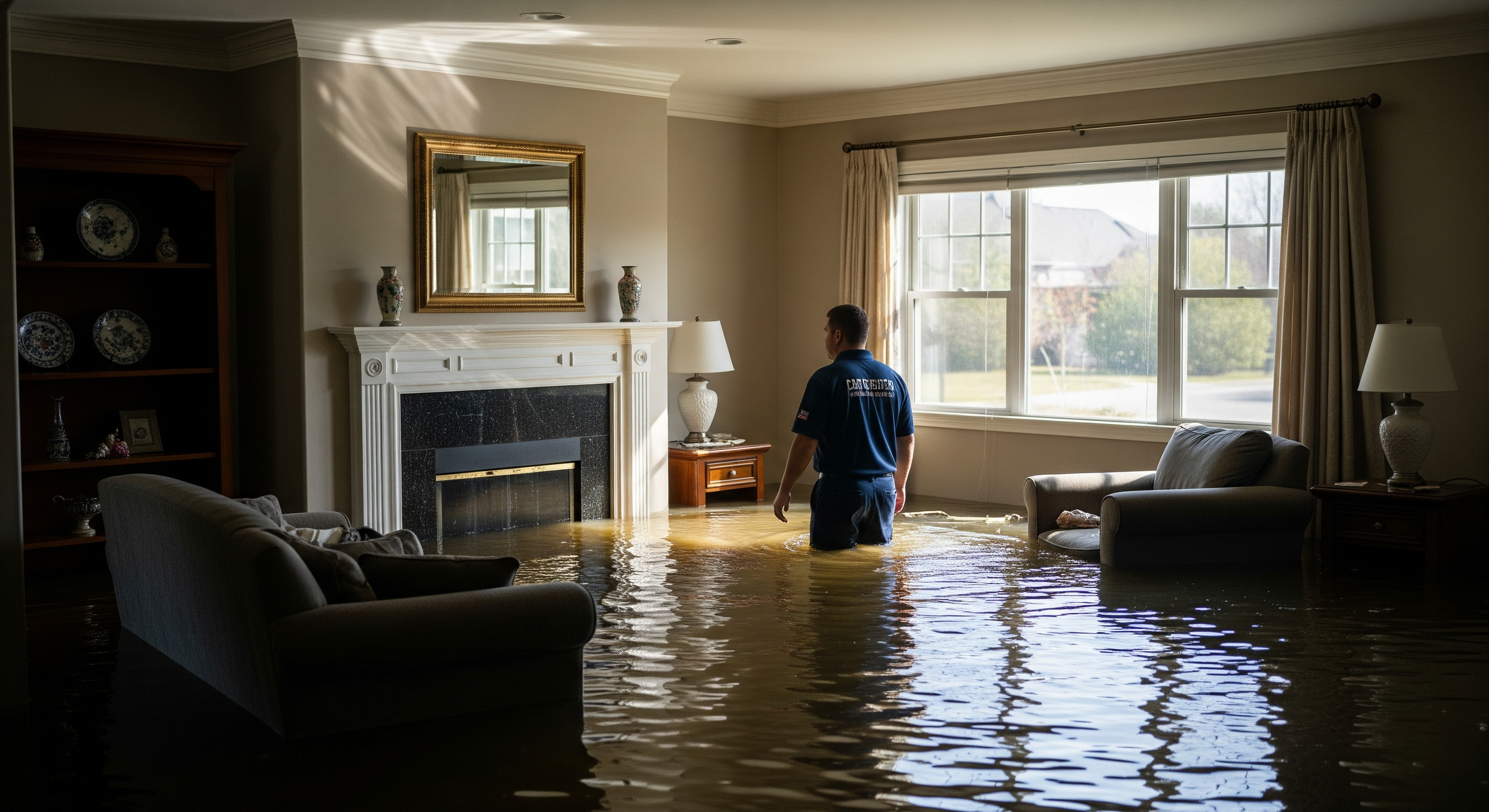
Major water loss doesn’t end when standing water is removed. In fact, the most costly damage often happens after the initial incident, when moisture lingers inside walls, floors, and structural materials. Understanding how water extraction experts prevent secondary damage explains why professional response is critical in the first 24–72 hours. Without expert intervention, minor water loss can escalate into mold growth, structural failure, and long-term health risks.
TLDR Quick Guide
- Secondary damage begins immediately after water loss
- Hidden moisture causes mold and structural decay
- Fast extraction alone is not enough
- Professional drying and monitoring prevent escalation
- Expert sequencing protects property and health
What Secondary Water Damage Really Means
Damage That Isn’t Immediately Visible
Secondary damage refers to issues that develop after the initial water event. Moisture trapped inside walls, subfloors, and insulation continues to spread. This hidden damage often goes unnoticed until odors, warping, or mold appear.
Why Delays Make Things Worse
Every hour moisture remains increases the scope of damage. Materials weaken, microbes grow, and contamination spreads. Early expert action dramatically reduces repair costs.
Immediate Containment Prevents Spread
Stopping Migration Before It Escalates
Water doesn’t stay where it lands. Gravity and capillary action pull moisture into adjacent areas. Experts isolate affected zones to prevent further migration.
Coordinated Emergency Response
Rapid response teams prioritize containment alongside extraction. This approach is central to professionalemergency restorationefforts, where preventing escalation matters as much as cleanup.
Precision Water Extraction Matters
Removing Water From More Than Surfaces
Visible water is only part of the problem. Professionals extract moisture from carpets, padding, subfloors, and wall cavities. Specialized equipment ensures deep removal.
Avoiding Structural Saturation
Incomplete extraction allows moisture to soak structural elements. This leads to swelling, warping, and weakening over time. Expert extraction protects the building’s integrity.
Advanced Drying Prevents Mold and Decay
Controlled Drying Environments
Experts create controlled drying conditions using airflow, dehumidification, and temperature management. Random drying causes uneven results. Precision prevents secondary damage.
Monitoring Moisture Levels Continuously
Drying is not guesswork. Professionals track moisture levels daily to ensure materials reach safe thresholds. This prevents premature equipment removal and future issues.
Mold Prevention Is a Critical Priority
Mold Can Begin Within 24–48 Hours
Warm, damp environments are ideal for mold growth. Even clean water loss can lead to contamination quickly. Preventative drying stops mold before it starts.
When Mold Remediation Becomes Necessary
If moisture isn’t controlled early, mold remediation becomes unavoidable. Proper early extraction reduces the need for extensive mold remediation later.
Structural Materials Require Special Care
Drywall, Wood, and Insulation Risks
Porous materials absorb water rapidly and release it slowly. Drywall loses strength, wood warps, and insulation traps moisture. Experts evaluate which materials can be saved.
Strategic Structural Repairs
When materials are compromised, targeted repairs prevent larger rebuilds. Coordinatedstructural repairsaddress damage without unnecessary demolition.
Contamination Control Protects Health
Clean vs Contaminated Water Loss
Not all water damage is the same. Sewage and storm water introduce bacteria and toxins. Experts apply sanitation protocols immediately.
Preventing Cross-Contamination
Improper handling spreads contaminants through HVAC systems and foot traffic. Professionals isolate zones and use protective equipment to limit exposure.
Commercial Properties Face Higher Stakes
Larger Spaces, Faster Spread
Commercial buildings contain more square footage and complex systems. Moisture spreads faster and deeper. Expert coordination limits business interruption.
Sequencing Restoration Correctly
Commercial restoration requires careful sequencing to avoid rework. This approach is central to professionalcommercial restorationplanning.
Why Expertise Makes the Difference
Experience Prevents Guesswork
Secondary damage prevention relies on training, not assumptions. Experts understand material behavior, drying science, and risk factors. This knowledge saves time and money.
Insurance and Documentation Support
Proper documentation supports insurance claims and reduces disputes. Professional reports validate that damage was addressed correctly. This protects property owners long-term.
Key Takeaways
- Secondary damage begins immediately after water loss
- Hidden moisture causes mold and structural problems
- Extraction alone is not enough
- Professional drying and monitoring prevent escalation
- Expert response saves money and protects health
FAQs
- What is secondary water damage?
Secondary damage includes mold, rot, and structural weakening. It develops after the initial water event. It is often more costly than the original damage. - How fast does secondary damage start?
Within hours. Mold can begin forming in 24–48 hours. Structural materials weaken quickly when saturated. - Can fans and dehumidifiers prevent secondary damage?
Not reliably. Improper drying can trap moisture. Professional equipment and monitoring are required. - Is secondary damage covered by insurance?
Coverage depends on prompt action. Delays may limit coverage. Professional documentation helps protect claims. - Why hire water extraction experts instead of general contractors?
Experts specialize in moisture control and prevention. General contractors focus on rebuilding, not drying science. Expertise prevents costly mistakes.