
How to Prevent Frozen Pipes and Winter Water Damage Without Expensive Fixes
How to Prevent Frozen Pipes and Winter Water Damage Without Expensive Fixes
Introduction
When temperatures in Central Colorado drop, frozen pipes become more than a minor inconvenience—they’re a serious threat to your home and wallet. A single burst pipe can cost thousands in repairs, not to mention the stress of dealing with water damage during freezing weather. Luckily, you don’t need to spend a fortune to protect your plumbing. With the right preventative steps, most homeowners can keep their pipes flowing smoothly all winter long. And if you're in a jam, the certified professionals connected through Disaster Experts are ready to respond 24/7.
TLDR – Quick Guide
- Keep heat above 55°F indoors—even when you're away
- Open cabinet doors under sinks to warm hidden pipes
- Let faucets drip during cold snaps to avoid pressure build-up
- Seal gaps where cold air enters your home
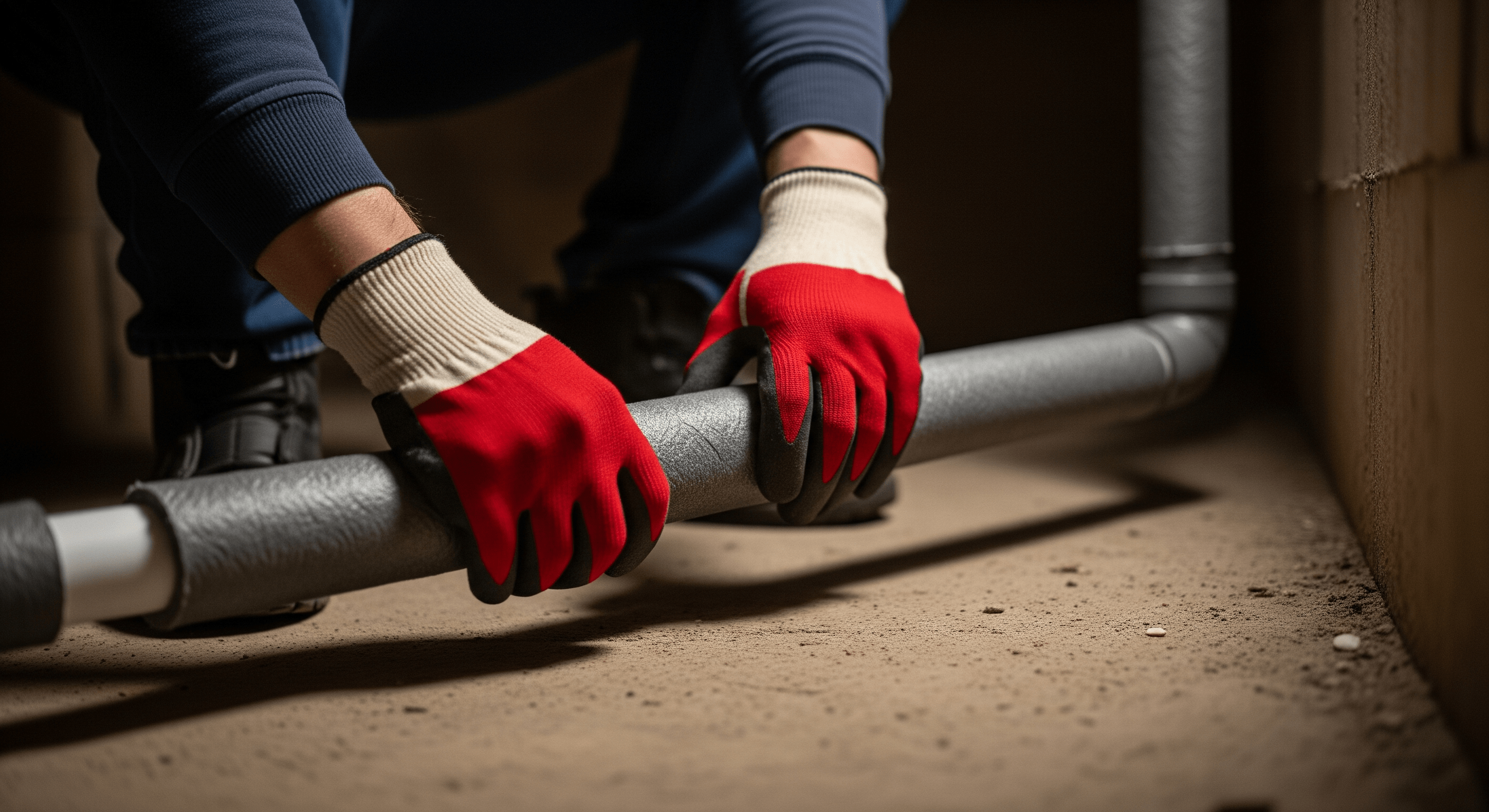
- Install inexpensive foam pipe insulation on exposed pipes
- Know how to shut off your main water valve in case of emergency
Detailed Breakdown
The Science Behind Frozen Pipes
Water expands as it freezes, and this pressure can burst metal or plastic pipes—especially those exposed to severe cold like outdoor hose bibs, sprinkler lines, and pipes in unheated interior areas like basements, attics, or garages. In Colorado’s unpredictable winters, even well-insulated homes aren’t safe from a deep freeze.
Simple Steps to Prevent Frozen Pipes
1. Maintain Indoor Heat
Never set your thermostat below 55°F, even when traveling. Pipes inside walls or near exterior surfaces rely on ambient heat to stay above freezing.
2. Open Cabinets and Interior Doors
Let warm air circulate under sinks and into closets where plumbing might be hiding. This small act can prevent thousands in damage.
3. Let Faucets Drip Overnight
Running water—even a slow drip—relieves pressure in the pipe, reducing the risk of freezing and bursting. Prioritize pipes along exterior walls.
4. Add Pipe Insulation
Foam pipe sleeves or heat tape are low-cost, DIY-friendly options. Focus on areas like crawl spaces, basements, and unheated garages.
5. Seal Cracks and Drafts
Use caulk or spray foam around windows, doors, and sill plates to keep cold air out. Don’t forget the garage!
6. Disconnect and Drain Outdoor Hoses
Leaving a garden hose attached traps water inside, which can freeze and back up into your home’s plumbing system. Shut off and drain outdoor faucets.
7. Use a Smart Thermostat
Programmable thermostats ensure consistent temperatures and can alert you to dangerously low temps—even when you’re away.
8. Know Your Water Main Location
If a pipe does burst, quickly shutting off the main water supply can limit water damage while you wait for help from Disaster Experts.
How Disaster Experts Can Help
Even with precautions, emergencies happen. That’s why Disaster Experts offers 24/7 emergency water extraction and drying services across Central Colorado. With over 35 years of experience and a 60-minute response guarantee, they connect you with local professionals who can handle everything from burst pipe cleanup to full structural repairs.
Key Takeaways
- Preventing frozen pipes doesn’t require expensive equipment or renovations
- Small actions—like opening cabinets and dripping faucets—make a big difference
- Pipe insulation and draft sealing are affordable, high-impact steps
- Always know where your main shutoff valve is
- If disaster strikes, Disaster Experts is your go-to for rapid, expert restoration
FAQs
- What temperature causes pipes to freeze?
Pipes typically begin to freeze when temperatures fall below 20°F, especially if exposed or uninsulated. However, wind chills and poor insulation can cause freezing even in slightly warmer conditions. - Is it okay to leave faucets dripping overnight?
Yes! A slow, steady drip helps prevent freezing by relieving pressure inside the pipe and keeping water moving. It’s especially helpful for pipes along exterior walls or in unheated spaces. - How do I know if my pipes are frozen?
Signs include no water from faucets, frost on exposed pipes, or strange noises in the plumbing. If a pipe feels very cold and isn’t delivering water, it’s likely frozen. - Can frozen pipes thaw on their own?
Sometimes—but it’s risky. As ice thaws and expands, it could rupture the pipe. It’s safer to gently apply heat (like with a hair dryer) or call a pro via Disaster Experts if you’re unsure. - Does homeowners insurance cover frozen pipe damage?
Most policies do cover damage from frozen pipes—but only if you've taken reasonable steps to prevent it. Neglect (like turning off heat) could lead to denied claims.