
How Restoration Water Damage Experts Identify Hidden Issues Before Repairs Begin
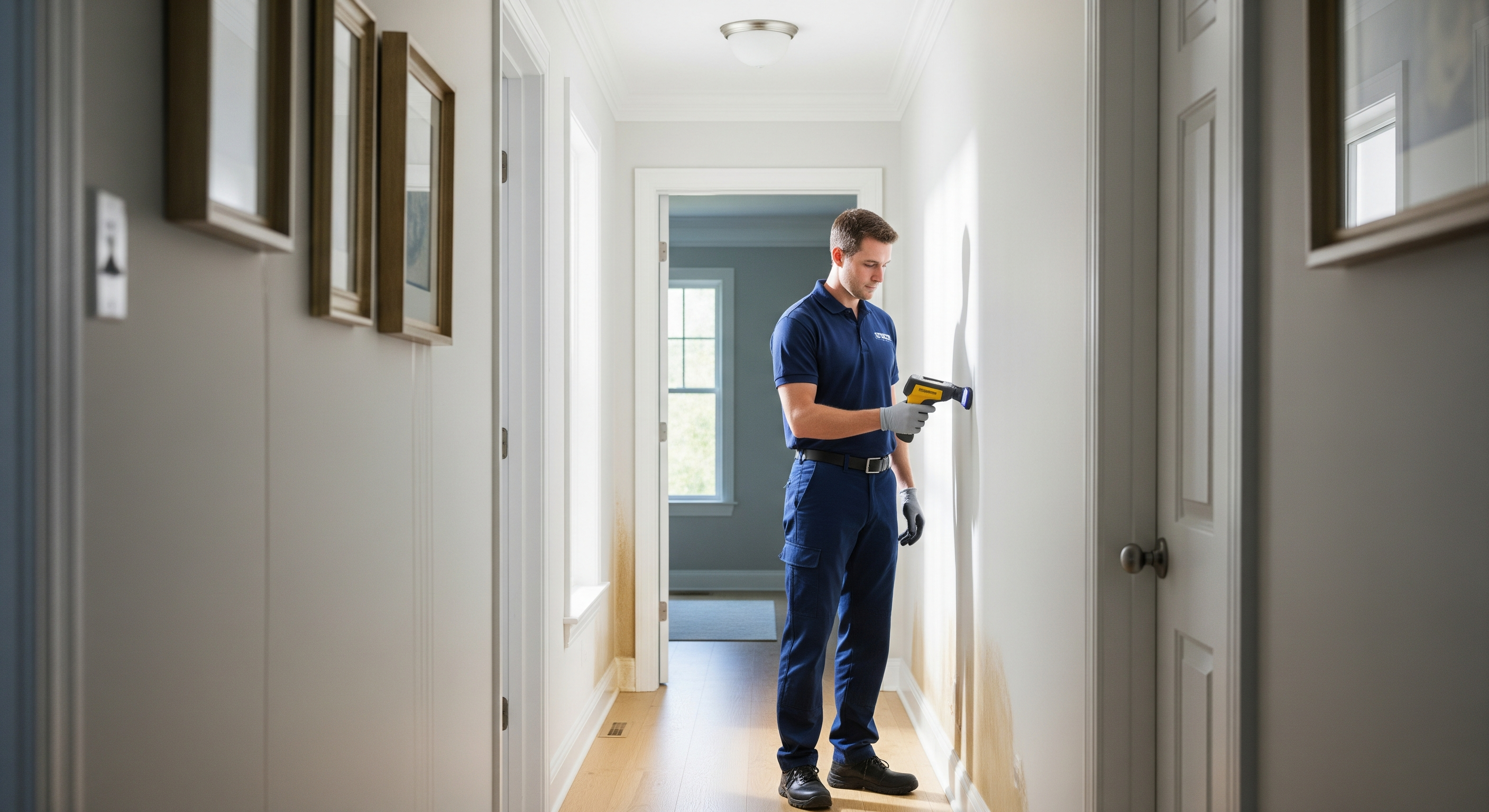
After water damage, what youcan’tsee is often more dangerous than what you can. Understandinghow restoration water damage experts identify hidden issuesexplains why professional mitigation must happenbeforerepairs begin. Water moves fast, absorbs into materials, and creates conditions for mold and structural failure long after surfaces look dry. Experienced restoration teams focus on uncovering these hidden risks first—so repairs actually last.
Why Hidden Water Damage Is So Common
Water Travels Beyond the Visible Area
Water doesn’t stay where it lands. It follows gravity, wicks through drywall, seeps under flooring, and saturates insulation. By the time damage is visible, moisture has often spread much farther.
Modern Building Materials Absorb Moisture Easily
Drywall, MDF, subflooring, and insulation hold moisture internally. These materials can look intact while deteriorating underneath. Without proper detection, repairs may cover active damage.
The First Step Experts Take: Controlled Assessment
Visual Inspection With Trained Eyes
Restoration professionals know where water typically hides based on the source and structure. They examine wall bases, transitions, seams, and low points. Patterns reveal likely moisture paths.
Damage Source Analysis
Experts determine whether the water came from plumbing, storms, appliances, or sewage. Each source behaves differently and creates unique risks. This step guides the entire mitigation plan.
Advanced Tools Used to Find Hidden Moisture
Moisture Meters and Probes
Pin and pinless moisture meters detect elevated moisture inside materials. Readings reveal saturation depth and spread. This prevents guesswork during drying.
Thermal Imaging Cameras
Infrared cameras detect temperature differences caused by moisture evaporation. Cold spots often indicate trapped water. This technology allows non-invasive wall inspection.
Hygrometers and Air Readings
Air humidity levels reveal whether moisture is still actively evaporating. Elevated readings suggest hidden wet areas. This data helps guide drying equipment placement.
How Experts Check Structural Integrity
Inspecting Framing and Subflooring
Wood framing and subfloors absorb moisture quickly. Experts test moisture levels in load-bearing components. Early detection prevents rot and structural weakening.
Identifying Swelling and Delamination
Materials like engineered wood and laminate swell when wet. Professionals look for subtle warping or separation. These signs often appear before failure.
Why Drying Alone Is Not Enough
Dry Surfaces Don’t Mean Dry Structures
Fans and dehumidifiers dry exposed areas first. Moisture trapped behind walls or under flooring can remain for weeks. Hidden moisture leads to mold and odor problems.
Drying Must Be Verified, Not Assumed
Professionals verify dryness using readings, not appearance. Only documented dry standards confirm safe conditions. This step protects repairs and occupants.
Mold Risk Detection Before Repairs Begin
Conditions Mold Needs to Grow
Mold thrives in dark, damp environments with organic material. Wall cavities and insulation are ideal conditions. Hidden moisture dramatically increases risk.
Early Mold Prevention Strategy
Restoration experts address moisture before mold forms. This often avoids the need for fullmold remediationlater. Prevention is faster and less expensive.
Why Skipping Professional Assessment Leads to Failed Repairs
Cosmetic Repairs Hide Active Damage
Covering wet materials traps moisture. This causes paint failure, warping, and odors. Repairs may need to be redone entirely.
Insurance and Compliance Risks
Incomplete drying can void insurance approvals. Proper documentation protects claims and liability. Professional assessment ensures compliance.
How Restoration Experts Coordinate With Repairs
Sequencing Mitigation Before Reconstruction
Drying, monitoring, and clearance come first. Only after verification do repairs begin. This sequence prevents future issues.
When Structural Repairs Are Needed
If materials are compromised, replacement is required. Restoration teams coordinate directly withstructural repairsteams to ensure stability before finishing work.
Emergency Response and Hidden Damage
Speed Reduces Spread
The faster mitigation begins, the less moisture migrates. Immediate response limits hidden damage. This is whyemergency restorationmatters.
Commercial Properties Require Extra Scrutiny
Larger buildings have more concealed spaces. Experts perform zone-by-zone assessments. This is critical forcommercial restorationprojects.
Key Takeaways
- Water damage often extends beyond visible areas.
- Experts use specialized tools to locate hidden moisture.
- Structural components are assessed before any repairs.
- Verifying dryness prevents mold and repair failure.
- Professional assessment protects health, property, and insurance claims.
FAQs
1. How do restoration water damage experts identify hidden issues?
They use moisture meters, thermal imaging, and structural testing. Visual inspection alone isn’t enough. Technology confirms where water is trapped.
2. Can hidden water damage cause mold later?
Yes, trapped moisture creates ideal mold conditions. Mold can develop within days. Early detection prevents this risk.
3. Why can’t repairs start immediately after water damage?
Wet materials must be fully dried or removed first. Repairs over moisture will fail. Verification ensures long-term success.
4. Do homeowners have access to the same detection tools?
Most advanced tools are professional-grade. Interpreting readings also requires experience. DIY checks often miss critical areas.
5. How long does a proper inspection take?
Initial assessments are usually quick. Monitoring continues throughout drying. Verification ensures safe conditions before rebuilding.