
How Long Structural Drying Takes and What Factors Affect the Timeline
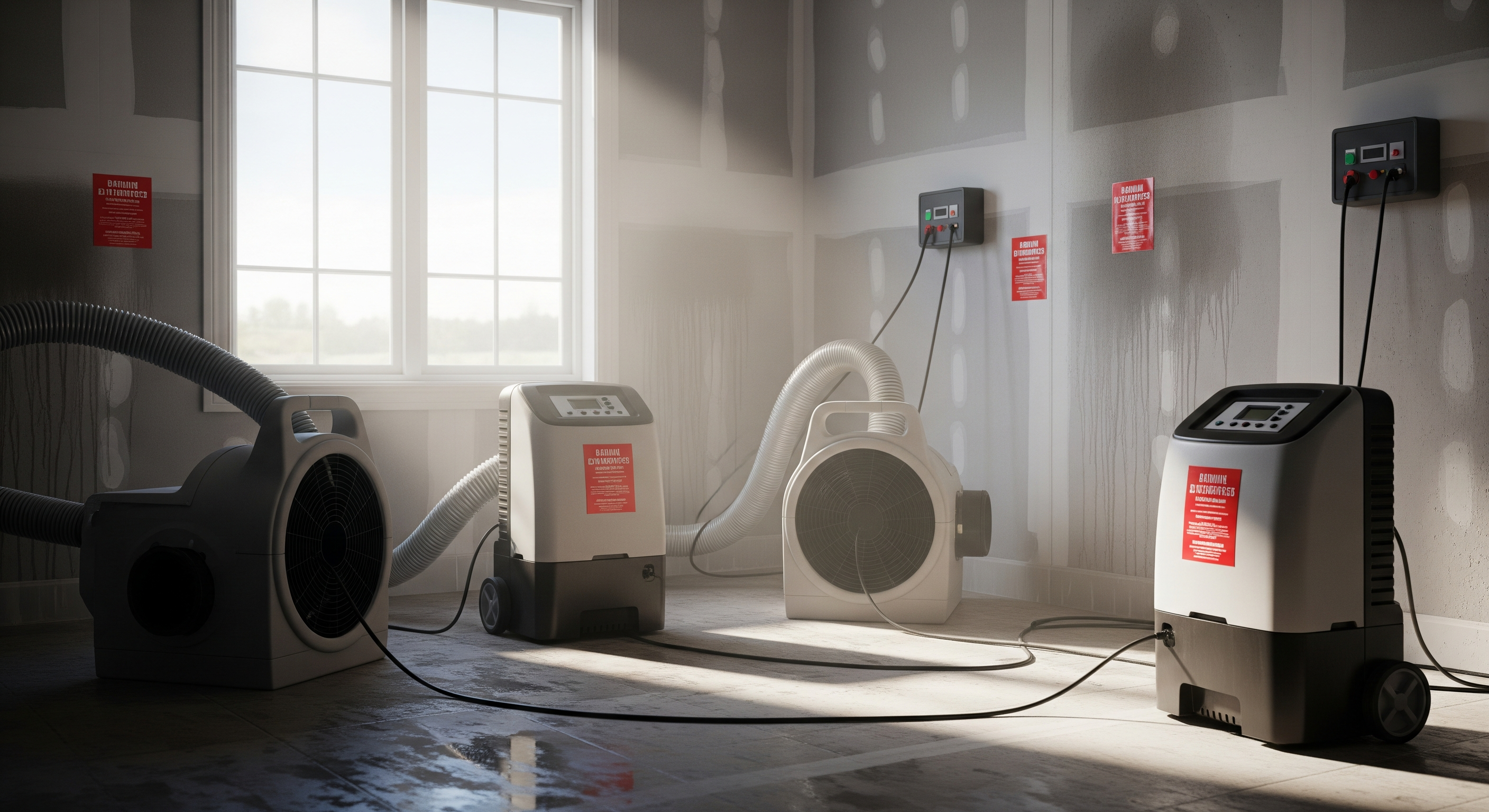
After water damage, one of the first questions property owners ask is how long it will take to dry everything properly. Structural drying is not just about removing visible water—it’s about eliminating moisture trapped inside walls, floors, and building materials. Understandinghow long structural drying takesand what affects that timeline helps set realistic expectations and prevents costly mistakes down the line.
What Structural Drying Actually Involves
More Than Surface-Level Drying
Structural drying removes moisture from building materials like drywall, framing, subfloors, and insulation. Even when surfaces feel dry, hidden moisture can remain. That trapped moisture can lead to mold growth and structural weakening.
Why Professional Drying Is Necessary
Household fans and dehumidifiers are rarely powerful enough. Professional drying uses industrial air movers, dehumidifiers, and moisture meters. This ensures drying happens evenly and thoroughly, not just on the surface.
Average Structural Drying Timelines
Typical Drying Timeframes
In many cases, structural drying takes3 to 7 days. Minor water damage with quick response may resolve sooner. Severe flooding or sewage exposure can extend timelines significantly.
Why Timelines Vary
No two properties dry the same way. The type of water, materials affected, and environment all play a role. A rushed timeline often causes long-term damage.
Key Factors That Affect How Long Structural Drying Takes
Extent and Category of Water Damage
Clean water from a broken pipe dries faster than contaminated water. Sewage or storm water requires extra sanitation and safety steps. These steps naturally add time.
Materials That Absorb Moisture
Drywall, wood, insulation, and concrete absorb moisture differently. Dense or layered materials dry more slowly. Carpet padding and subfloors are common problem areas.
Environmental Conditions
Temperature and Humidity
Warm, dry air accelerates evaporation. High humidity slows the process. Technicians often control indoor conditions to improve efficiency.
Ventilation and Airflow
Proper airflow is critical. Poor ventilation traps moisture, even with equipment running. Strategic air mover placement makes a major difference.
Hidden Moisture and Structural Complexity
Water Behind Walls and Under Floors
Moisture often travels beyond visible damage. Cavities, crawl spaces, and multi-level structures complicate drying. Moisture mapping helps identify these areas.
Why Moisture Monitoring Matters
Drying without measurement is guesswork. Professionals use meters to track progress daily. This prevents premature equipment removal.
Why Speed Matters—but Precision Matters More
Risks of Incomplete Drying
Stopping drying too early allows mold to grow within 24–48 hours. Structural rot and odor issues may develop later. These problems are far more expensive to fix.
Risks of Over-Drying
Drying too aggressively can crack wood and damage finishes. Controlled drying protects structural integrity. Balance is key.
How Professional Restoration Improves Timelines
Coordinated Water Removal and Drying
Immediate extraction shortens the overall drying timeline. Services like professionalwater damage restorationreduce how deeply moisture penetrates materials.
Integrated Repair Planning
When drying is coordinated with repair planning, delays are minimized. Services such asstructural repairsoften begin immediately after drying clears. This streamlines recovery.
Residential vs Commercial Structural Drying
Homes
Residential drying usually involves fewer materials and simpler layouts. Timelines are often shorter if addressed quickly. Hidden moisture is still a concern.
Commercial Properties
Larger square footage and complex systems extend drying times. Continuous monitoring is essential. Commercial projects often require phased drying.
Emergency Response Makes a Big Difference
The First 24 Hours Matter Most
The sooner drying begins, the shorter the timeline. Delays allow moisture to spread deeper into structures. Emergency response reduces total damage.
24/7 Restoration Support
Companies likeDisaster Expertsprovide rapid response through services such asemergency restoration, helping control drying timelines before secondary damage occurs.
Key Takeaways
- How long structural drying takestypically ranges from 3–7 days.
- Severity, materials, and environment heavily influence timelines.
- Hidden moisture is the biggest cause of delays.
- Professional monitoring ensures complete drying.
- Faster response usually means shorter, safer drying periods.
FAQs
1. Can structural drying take longer than a week?
Yes, especially after severe flooding or sewage exposure. Dense materials and hidden moisture can extend drying beyond seven days. Monitoring determines when drying is truly complete.
2. Does visible dryness mean the structure is dry?
No. Moisture often remains inside walls and floors even when surfaces feel dry. Professional moisture testing is required to confirm dryness.
3. Can I speed up structural drying myself?
Household fans may help slightly but can’t replace professional equipment. Improper drying can cause more damage. Professional drying is safer and more effective.
4. What happens if drying is stopped too early?
Mold growth and structural damage can develop later. These issues are costly and disruptive. Complete drying prevents secondary damage.
5. Does insurance cover structural drying?
Often yes, when drying is part of water damage mitigation. Coverage depends on policy details and cause of loss. Documentation from professionals supports claims.