
Hidden Water Damage in Boulder Homes: How Professionals Find Moisture You Can’t See
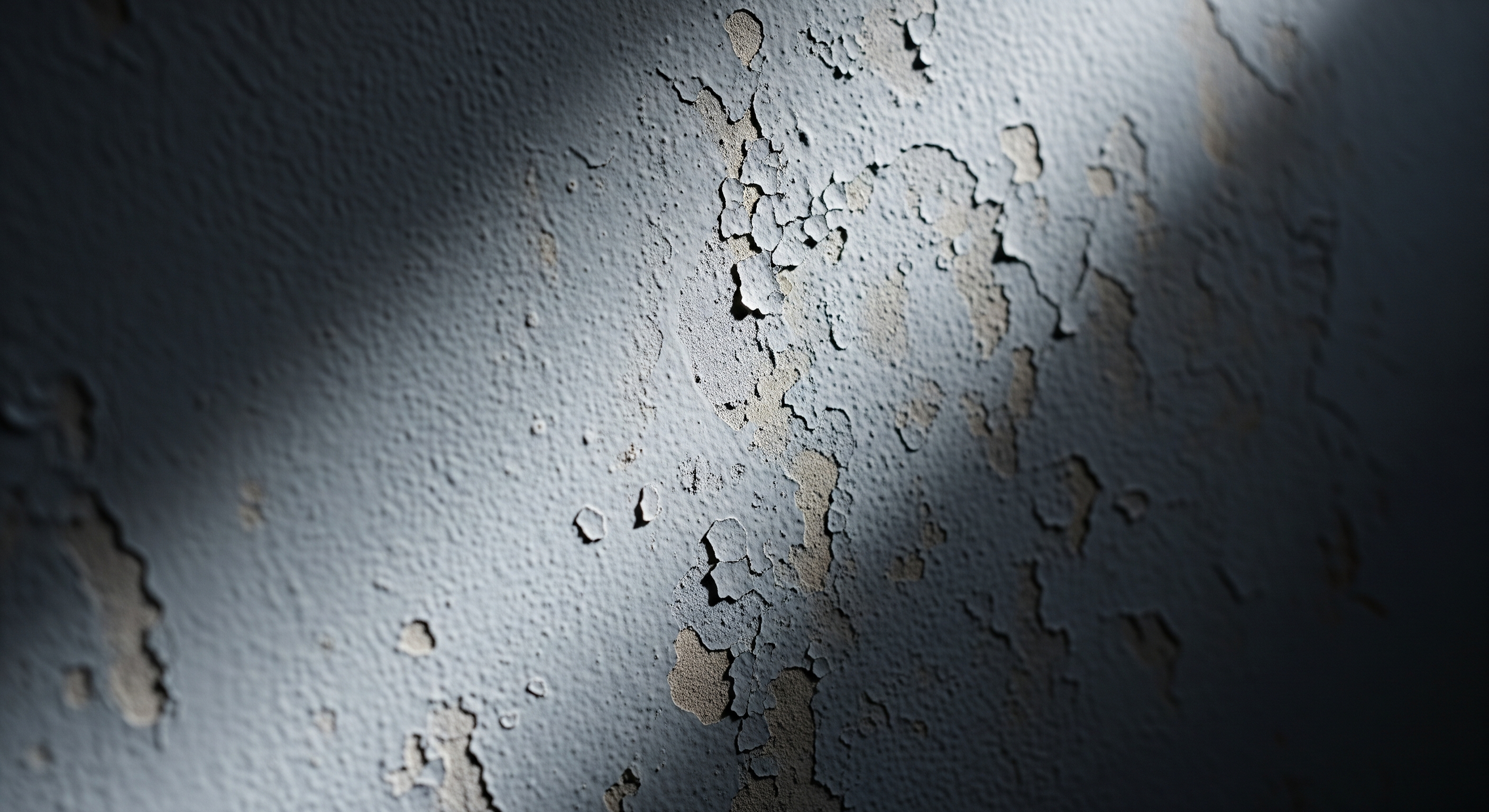
Water damage in Boulder homes isn’t always as obvious as a flooded floor or soaked drywall. Hidden moisture can linger inside walls, under flooring, and behind cabinetry—slowly causing structural deterioration, mold growth, and costly repairs. Understanding how professionals detect this invisible damage is key to protecting your home and ensuring any restoration work is done right.
TLDR Quick Guide
- Hidden water damage often sits behind walls, floors, and insulation undetected.
- Professionals use advanced tools like moisture meters, thermal imaging, and hygrometers to locate moisture pockets.
- Early detection prevents mold growth, structural damage, and major repair costs.
- Homeowners should get an inspection after leaks, storms, or unexpected moisture issues.
- For fast help in Boulder, consider expert services such as water damage restoration .
Hidden Moisture: The Silent Threat Inside Boulder Homes
Boulder’s unpredictable weather patterns—snowmelt, heavy rains, and sudden temperature shifts—make homes especially vulnerable to hidden water intrusion. Even a minor roof seepage or plumbing drip can send moisture deep into structural components. Left untreated, this moisture can compromise air quality, weaken building materials, and create ideal conditions for mold.
The challenge? Most of this damage cannot be seen with the naked eye, which is why professional detection is so important.
Where Hidden Water Damage Typically Occurs
1. Behind Drywall
Water travels downward, often collecting in wall cavities long before exterior paint or drywall shows visible staining.
2. Under Flooring
Wood flooring, laminate, and even tile can conceal trapped water that warps materials over time.
3. Inside Insulation
Fiberglass and cellulose insulation hold moisture, reducing energy efficiency and encouraging microbial growth.
4. Around Window & Door Frames
Improper sealing or ice melt infiltration allows water to seep into framing materials.
5. Basements & Crawlspaces
Boulder’s elevation and soil composition make these areas prone to seepage, humidity, and condensation.
How Professionals Detect Hidden Moisture
Experts performing water damage restoration in Boulder rely on advanced tools to identify moisture problems early and accurately.
Moisture Meters
These handheld devices measure moisture levels inside materials like wood, drywall, and concrete. They help determine how deeply water has absorbed, guiding precise restoration decisions.
Thermal Imaging Cameras
Thermal imaging detects temperature differences that indicate moisture pockets behind walls and ceilings. This non-invasive method reveals hidden leaks without demolition.
Hygrometers & Psychrometric Testing
Restoration professionals use hygrometers to measure air humidity and temperature levels. Understanding the moisture load in the air helps determine how long drying will take and where additional dehumidification is required.
Infrared Wall & Floor Scans
Infrared scans highlight cooler, damp areas of the home that need attention. This allows experts to pinpoint issues quickly and reduce unnecessary tear-outs.
Controlled Demolition (When Needed)
If moisture is trapped behind materials and cannot be dried in place, a controlled removal is performed. This prevents long-term damage and ensures the structure beneath is fully restored.
The Cost of Ignoring Hidden Water Damage
Unaddressed moisture can escalate into:
- Mold infestations
- Structural weakening
- Electrical hazards
- Damaged insulation
- Odors and indoor air quality issues
Working with professionals—such as those offering emergency restoration services —helps stop the issue before it leads to major reconstruction.
Professional vs. DIY Moisture Detection
DIY detection misses most hidden damage.
Homeowners can spot surface-level issues, but moisture often spreads far beyond what is visible. Professional-grade tools allow technicians to inspect deeply and accurately.
Professionals provide complete restoration.
From detection to structural repairs, trained teams deliver end-to-end solutions, including services like structural repairs .
You reduce long-term costs.
Accurate detection means fewer surprises, less demolition, and targeted restoration—saving you money over time.
Key Takeaways
- Hidden water damage is common in Boulder due to weather and structural vulnerability.
- Professionals use advanced tools to detect moisture you can’t see.
- Early detection prevents mold, structural decay, and costly repairs.
- Regular inspections are recommended after storms, leaks, or plumbing failures.
- Choosing experienced restoration specialists ensures safer and more reliable results.
FAQs
1. How do I know if my Boulder home has hidden water damage?
Hidden water damage often shows subtle signs like musty odors, higher humidity, or slightly warped surfaces. These symptoms develop slowly, so they’re easy to miss early on. A professional inspection provides clarity and ensures no moisture pockets are overlooked.
2. Can thermal imaging really find water behind walls?
Yes, thermal cameras are highly effective at identifying temperature differences caused by moisture. They detect cooler, damp areas that are invisible to the naked eye. This makes them one of the best tools for non-invasive water damage assessment.
3. Does hidden water damage always lead to mold?
Moisture creates ideal conditions for mold, but timing and ventilation also play a role. Mold can begin forming within 24–48 hours in damp environments. Early detection and drying greatly reduce the risk of mold colonies developing.
4. Should I try to dry water damage myself?
DIY drying rarely reaches hidden pockets inside walls, insulation, and flooring. Incomplete drying leads to recurring issues and potential health risks. Professionals ensure materials are fully dried, sanitized, and structurally safe.
5. What should I do after discovering hidden water damage?
First, stop the source of the moisture if possible. Next, schedule a professional inspection to evaluate the full extent of the issue. Fast action prevents worsening damage and ensures the restoration process begins immediately.