
Health Risks of Emergency Sewer Backup and How Professionals Control Exposure
An emergency sewer backup is more than a property damage issue—it’s a serious public health hazard. Raw sewage contains bacteria, viruses, and toxic gases that can spread rapidly through a home or commercial space. Understanding thehealth risks of emergency sewer backuphelps property owners act quickly and avoid exposure that can cause illness or long-term health complications. This guide explains the dangers and how trained professionals control contamination safely.
TLDR Quick Guide
- Sewer backups expose occupants to dangerous pathogens
- Airborne bacteria and toxic gases increase health risks
- DIY cleanup significantly increases exposure
- Professional containment and disinfection reduce risk
- Fast response limits contamination spread
What Happens During an Emergency Sewer Backup
Why Sewage Is Classified as Hazardous Waste
Sewage backups are categorized as “Category 3” water loss—the most dangerous level. They contain human waste, bacteria, viruses, and parasites. Direct contact or inhalation can cause serious illness.
How Quickly Contamination Spreads
Sewage doesn’t stay in one place. It soaks into flooring, walls, and furnishings while releasing airborne contaminants. Without immediate control, exposure expands rapidly.
The Primary Health Risks of Emergency Sewer Backup
Bacterial and Viral Exposure
Sewage carries pathogens such as E. coli, Salmonella, Hepatitis A, and norovirus. These organisms can enter the body through skin contact, inhalation, or contaminated surfaces. Even brief exposure can lead to infection.
Respiratory Hazards and Airborne Contaminants
As sewage dries, bacteria become airborne. This creates inhalation risks, especially for children, seniors, and those with respiratory conditions. Odors are often a warning sign of dangerous air quality.
Short-Term Health Effects After Sewer Exposure
Immediate Symptoms to Watch For
Common symptoms include nausea, vomiting, diarrhea, headaches, skin rashes, and eye irritation. These symptoms may appear within hours or days. Ignoring early signs can worsen outcomes.
High-Risk Individuals
Children, elderly individuals, and those with weakened immune systems face higher risks. Exposure can escalate into severe illness more quickly. This makes rapid professional intervention critical.
Long-Term Health Risks If Cleanup Is Incomplete
Hidden Contamination Behind Surfaces
Sewage can penetrate beneath flooring and inside walls. If not fully removed, bacteria continue to grow. Long-term exposure increases the risk of chronic respiratory issues.
Mold Growth as a Secondary Threat
Moisture from sewage creates ideal conditions for mold. Mold exposure compounds health risks and often requires additional remediation. This is why professionalsewage cleanupis essential.
Why DIY Cleanup Is Dangerous
Lack of Proper Protective Equipment
Most homeowners don’t have industrial PPE such as respirators, biohazard suits, or containment barriers. Without them, exposure is unavoidable. Household cleaners are not sufficient for disinfection.
Incomplete Decontamination
DIY methods rarely address porous materials and hidden contamination. Even if surfaces look clean, bacteria often remain. This leads to recurring odors and health risks.
How Professionals Control Exposure Safely
Containment and Controlled Removal
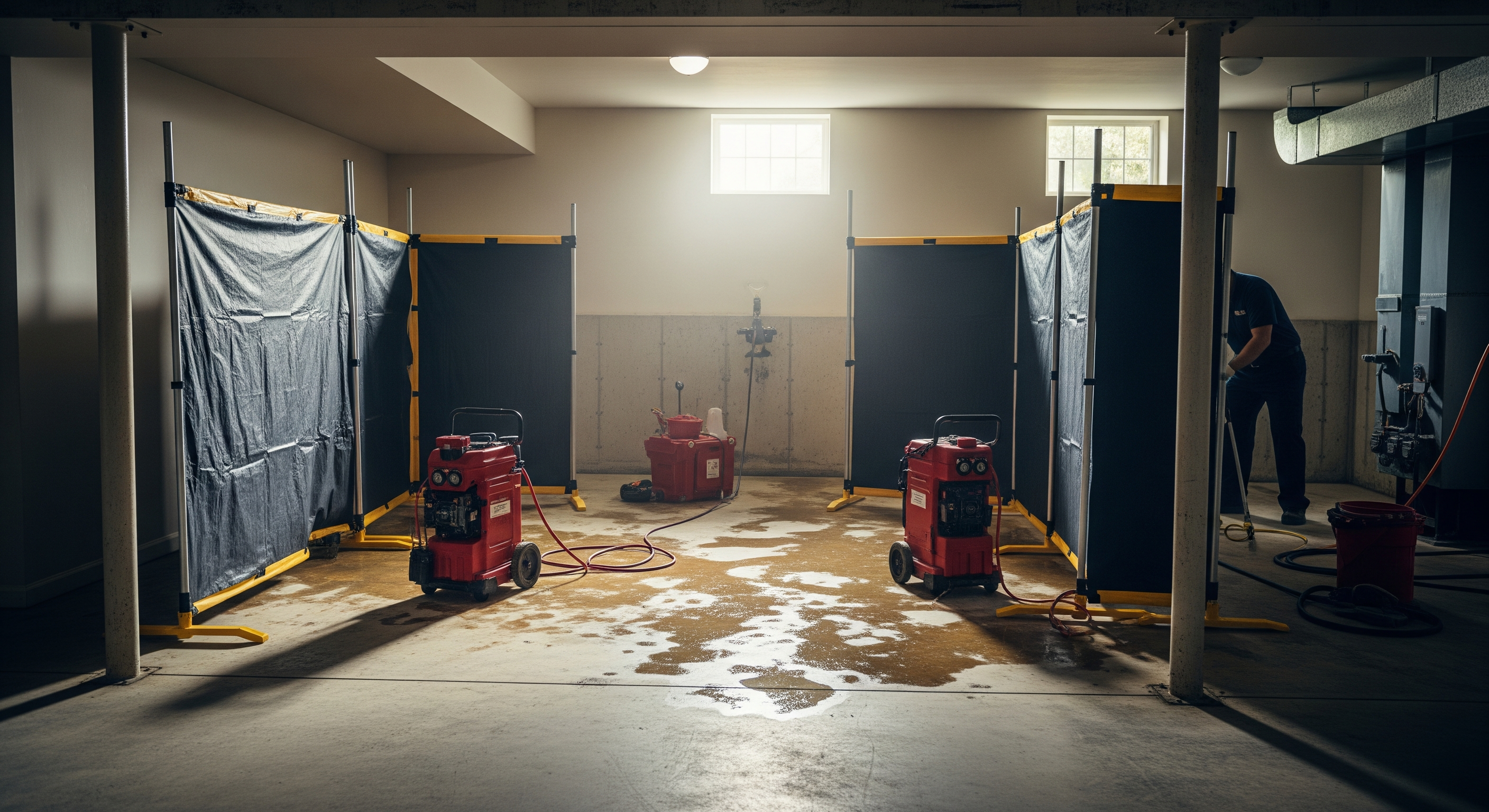
Professionals isolate affected areas to prevent cross-contamination. Negative air pressure and physical barriers stop airborne spread. Contaminated materials are safely removed and disposed of.
Industrial-Grade Disinfection
Specialized antimicrobial treatments neutralize bacteria and viruses. These solutions are far more effective than consumer products. Proper application ensures full decontamination.
Air Quality Control and Structural Safety
Advanced Air Filtration
HEPA filtration systems capture airborne contaminants. This protects occupants and technicians during cleanup. Air quality is monitored throughout the process.
Structural Drying and Repair
Sewage saturation weakens materials. Professional teams assess structural integrity and perform necessarystructural repairsto prevent long-term damage. Drying is essential for health and safety.
Commercial vs Residential Health Risks
Higher Exposure in Commercial Spaces
Offices, restaurants, and warehouses face larger contamination zones. Employee and customer exposure increases liability. Professionalcommercial restorationprotocols address scale and compliance.
Business Continuity Concerns
Delayed cleanup increases downtime and health risks. Fast, controlled response minimizes closure time. Proper documentation supports insurance claims.
When to Call Emergency Restoration Services
Signs Immediate Help Is Needed
Strong odors, visible sewage, or backups affecting multiple areas require emergency response. Delaying increases exposure risks. Professionalemergency restorationteams respond quickly to contain hazards.
Why Speed Matters
The first 24 hours are critical. Rapid action reduces contamination spread and health risk. Early intervention often lowers overall restoration cost.
Key Takeaways
- Sewer backups pose serious health risks
- Pathogens spread through contact and air
- DIY cleanup increases exposure danger
- Professional containment and disinfection are essential
- Fast response protects health and property
FAQs
1. Is it safe to stay in a home after a sewer backup?
No, staying increases exposure to harmful bacteria and gases. Even limited contact can cause illness. Professional cleanup is required before re-occupancy.
2. Can sewer backup cause long-term health problems?
Yes, especially if contamination isn’t fully removed. Mold and bacteria can persist and affect respiratory health. Long-term exposure increases risk.
3. Do household cleaners kill sewage bacteria?
Most household cleaners are not strong enough. Professional disinfectants are required to neutralize pathogens. DIY cleaning often leaves contamination behind.
4. How long does professional sewage cleanup take?
Timelines vary based on severity and size. Initial containment happens quickly, often within hours. Full restoration may take several days.
5. Does insurance cover sewer backup cleanup?
Coverage depends on the policy. Many plans include or offer riders for sewage damage. Professional documentation supports claims.