
What Makes Expert Basement Flood Cleanup Services Different From Standard Water Removal
Introduction
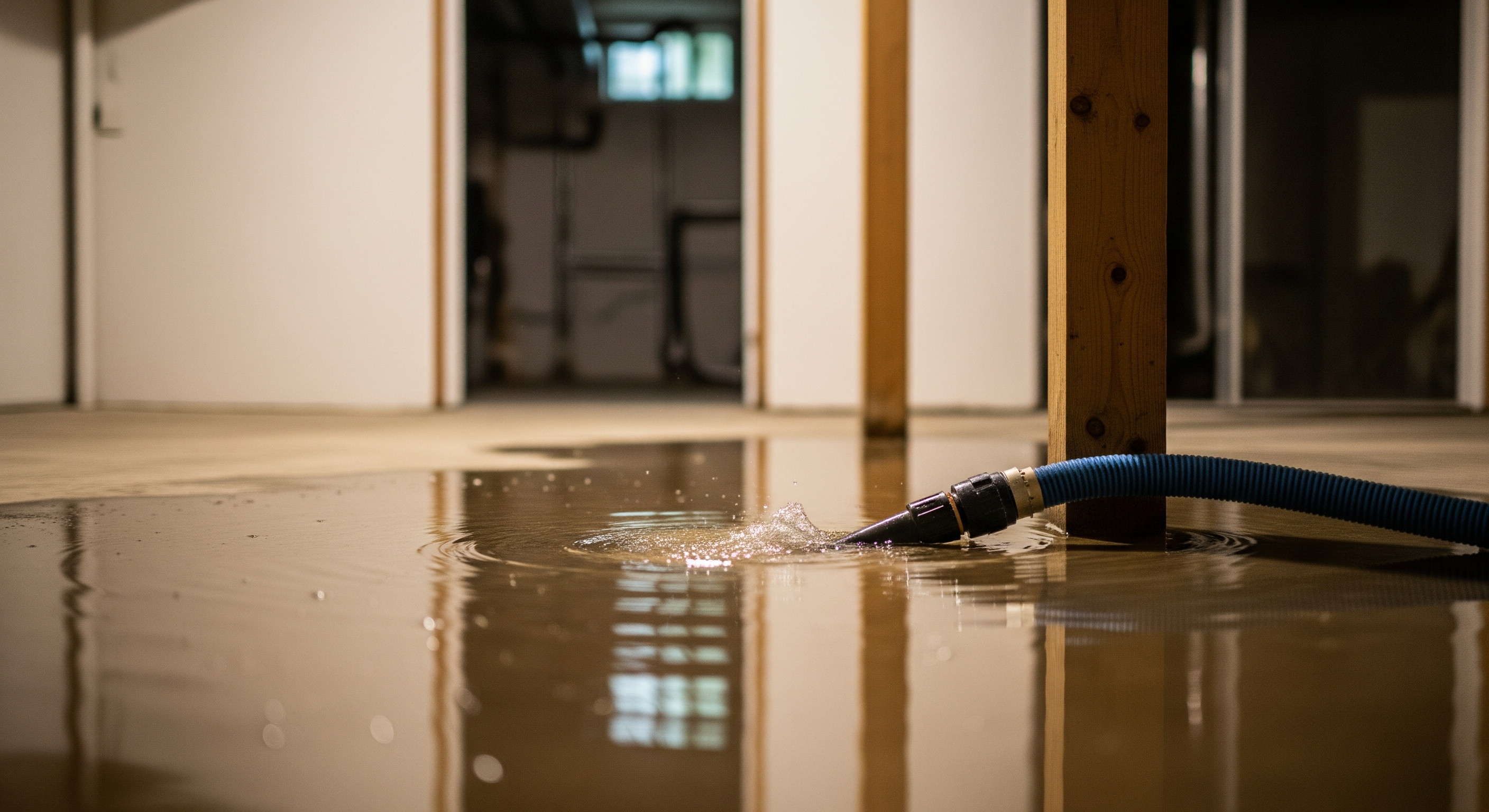
When a basement floods, many homeowners assume that removing standing water is enough to solve the problem. Unfortunately, standard water removal often addresses only the visible issue—not the hidden damage beneath floors, behind walls, and within structural materials. This is where expert basement flood cleanup services differ dramatically from basic extraction.
Professional flood cleanup focuses on contamination control, structural drying, and long-term damage prevention. Companies like Disaster Experts specialize in comprehensive restoration approaches that protect both your property and your health after a basement flooding event.
Jump To:
TLDR Quick Guide
- Standard water removal only extracts visible water.
- Expert basement flood cleanup services address moisture, contamination, and structural risk.
- Proper drying and sanitation prevent mold and long-term damage.
- Advanced equipment and trained technicians make a critical difference.
- Professional cleanup reduces future repair costs and insurance issues.
Standard Water Removal: What It Actually Covers
Basic Extraction of Standing Water
Standard water removal services typically involve pumps or vacuums that remove pooled water. While this step is necessary, it’s only the beginning of proper remediation. Moisture often remains trapped in concrete, framing, insulation, and drywall.
Limited Drying and No Deep Assessment
Many basic services do not include moisture mapping, thermal imaging, or structural evaluation. Without these steps, water damage can go unnoticed until mold or material failure appears later. This reactive approach increases long-term repair costs.
What Expert Basement Flood Cleanup Services Do Differently
Comprehensive Moisture Detection
Professional flood cleanup uses advanced tools to identify hidden moisture behind walls and under flooring. This ensures all affected areas are addressed—not just what’s visible. Thorough detection is essential for preventing mold and structural decay.
Controlled Structural Drying
Expert services apply targeted drying techniques using industrial air movers and dehumidifiers. This controlled process protects building materials from warping, rot, and weakening. It’s a key part of professionalwater damage restoration.
Sanitation and Contamination Control
Basement floods often involve contaminated water from groundwater or sewer lines. Expert cleanup includes antimicrobial treatment and proper disposal protocols. This level of sanitation is critical for protecting indoor air quality and occupant health.
Why Expertise Matters After a Basement Flood
Prevention of Mold Growth
Mold can begin growing within 24–48 hours after moisture exposure. Expert basement flood cleanup services are designed to stop mold before it starts. In contrast, standard water removal often leaves behind conditions that allow mold to thrive.
Structural Integrity Protection
Water weakens foundations, framing, and support materials over time. Professional teams assess whether materials can be dried or must be removed and replaced. This proactive approach prevents future collapse or costly reconstruction.
In severe cases, flood damage may also require coordination withstructural repairsto fully restore safety.
When Emergency Response Makes the Biggest Difference
Rapid Action Limits Secondary Damage
Time is critical after a basement flood. Emergency services deploy immediately to stabilize conditions and prevent escalation. Services likeemergency restorationfocus on minimizing total damage—not just cleanup speed.
Integrated Restoration Planning
Expert providers coordinate cleanup, drying, repairs, and follow-up inspections. This avoids gaps between contractors and reduces downtime. Homeowners benefit from a streamlined, stress-reduced recovery process.
Key Takeaways
- Expert basement flood cleanup services go far beyond basic water removal.
- Hidden moisture detection and structural drying are essential.
- Proper sanitation protects health and indoor air quality.
- Mold prevention is a primary advantage of professional cleanup.
- Early expert intervention reduces long-term repair costs.
FAQs
1. Isn’t removing standing water enough after a basement flood?
No—visible water removal doesn’t address moisture trapped in materials. Hidden moisture can lead to mold and structural damage. Professional cleanup ensures complete drying.
2. How quickly should expert cleanup begin?
Ideally within hours of the flood. Rapid response limits contamination and secondary damage. Delays increase the risk of mold growth and material failure.
3. Does basement flooding always involve contamination?
Often, yes—especially when groundwater or sewer systems are involved. Professional services treat floods as potentially contaminated. This ensures proper sanitation and safety.
4. Will insurance cover expert basement flood cleanup services?
Coverage depends on your policy and endorsements. Thorough documentation improves claim outcomes. Professional companies understand how to support insurance requirements.
5. Can standard water removal lead to future problems?
Yes, if drying and sanitation are incomplete. Many long-term mold and odor issues trace back to insufficient cleanup. Expert services reduce these risks significantly.