
Emergency Water Leaks Inside Walls: Why Delays Cause More Damage Than You Expect
Introduction
An emergency water leak inside your walls is one of the most destructive—and underestimated—property issues homeowners and building managers face. Because the damage is hidden, many people delay action, assuming the problem is minor or temporary. In reality, water trapped behind walls spreads quickly, compromising structure, air quality, and even electrical systems.
The moment water enters wall cavities, the clock starts ticking. Understanding why delays make damage exponentially worse can help you act decisively and avoid costly long-term repairs.
Jump To:
TL;DR Quick Guide
- Emergency water leaks inside walls spread fast and stay hidden
- Moisture weakens framing, insulation, and drywall within hours
- Mold growth can begin in as little as 24–48 hours
- Delays increase repair costs and insurance complications
- Professional restoration stops secondary damage early
Why Emergency Water Leaks Inside Walls Are So Dangerous
Hidden Damage Escalates Quickly
Water Moves Where You Can’t See It
Unlike visible flooding, wall leaks allow water to travel vertically and horizontally through framing, insulation, and subfloors. Gravity pulls moisture downward, often damaging multiple rooms or levels before signs appear. By the time stains or odors are noticed, the affected area is usually much larger than expected.
How Professionals Address Hidden Leaks
Restoration teams use moisture meters and thermal imaging to detect water inside walls. Early intervention through professionalwater damage restorationprevents saturation from spreading further. This targeted approach limits demolition and structural loss.
Structural Damage Happens Faster Than Most Expect
Water Weakens the Building Envelope
Drywall, Wood, and Insulation Absorb Moisture
Once water enters wall cavities, drywall loses integrity, wood framing begins to swell, and insulation becomes ineffective. Prolonged exposure leads to warping, rot, and compromised load-bearing components. These issues often require partial structural replacement if not addressed quickly.
Why Delays Multiply Repair Costs
What starts as drying and minor repairs can turn into full reconstruction when structural materials fail. In severe cases, professionalstructural repairsare required to restore safety. Acting early significantly reduces both scope and cost.
Mold Growth Becomes a Serious Risk
The 24–48 Hour Mold Window
Moisture Creates the Perfect Environment
Wall cavities provide darkness, warmth, and organic material—ideal conditions for mold. Once mold develops, it spreads rapidly and becomes harder to contain. Health risks increase, especially for occupants with allergies or respiratory conditions.
Why Mold Complicates Recovery
Mold contamination often requires specialized containment and remediation procedures. Insurance claims also become more complex once mold is involved. Preventing mold is far easier—and cheaper—than removing it.
Electrical and Safety Hazards Increase
Water and Wiring Don’t Mix
Fire and Shock Risks
Water leaking near electrical wiring or outlets increases the risk of short circuits and fire hazards. Even small amounts of moisture can corrode wiring over time. These risks often go unnoticed until a serious failure occurs.
How Professionals Reduce Risk
Emergency restoration teams coordinate drying with electrical safety checks. In high-risk cases, emergency services such asemergency restorationensure systems are stabilized safely. This protects both occupants and the structure.
Why Immediate Professional Response Matters
Delays Affect Insurance and Liability
Secondary Damage May Not Be Covered
Insurance policies typically cover sudden water events—but not damage caused by delayed action. Mold growth, rot, or long-term deterioration may be denied if mitigation wasn’t prompt. Quick response protects coverage eligibility.
Documentation and Mitigation Protect Property Owners
Professional restoration companies document moisture levels, damage extent, and mitigation steps. This documentation supports insurance claims and reduces disputes. Immediate action preserves both property value and financial protection.
Key Takeaways
- Emergency water leaks inside walls spread faster than visible leaks
- Structural damage begins within hours, not days
- Mold growth can start in as little as 24–48 hours
- Electrical hazards increase with hidden moisture
- Immediate professional restoration prevents costly secondary damage
FAQs
1. How can I tell if I have an emergency water leak inside my walls?
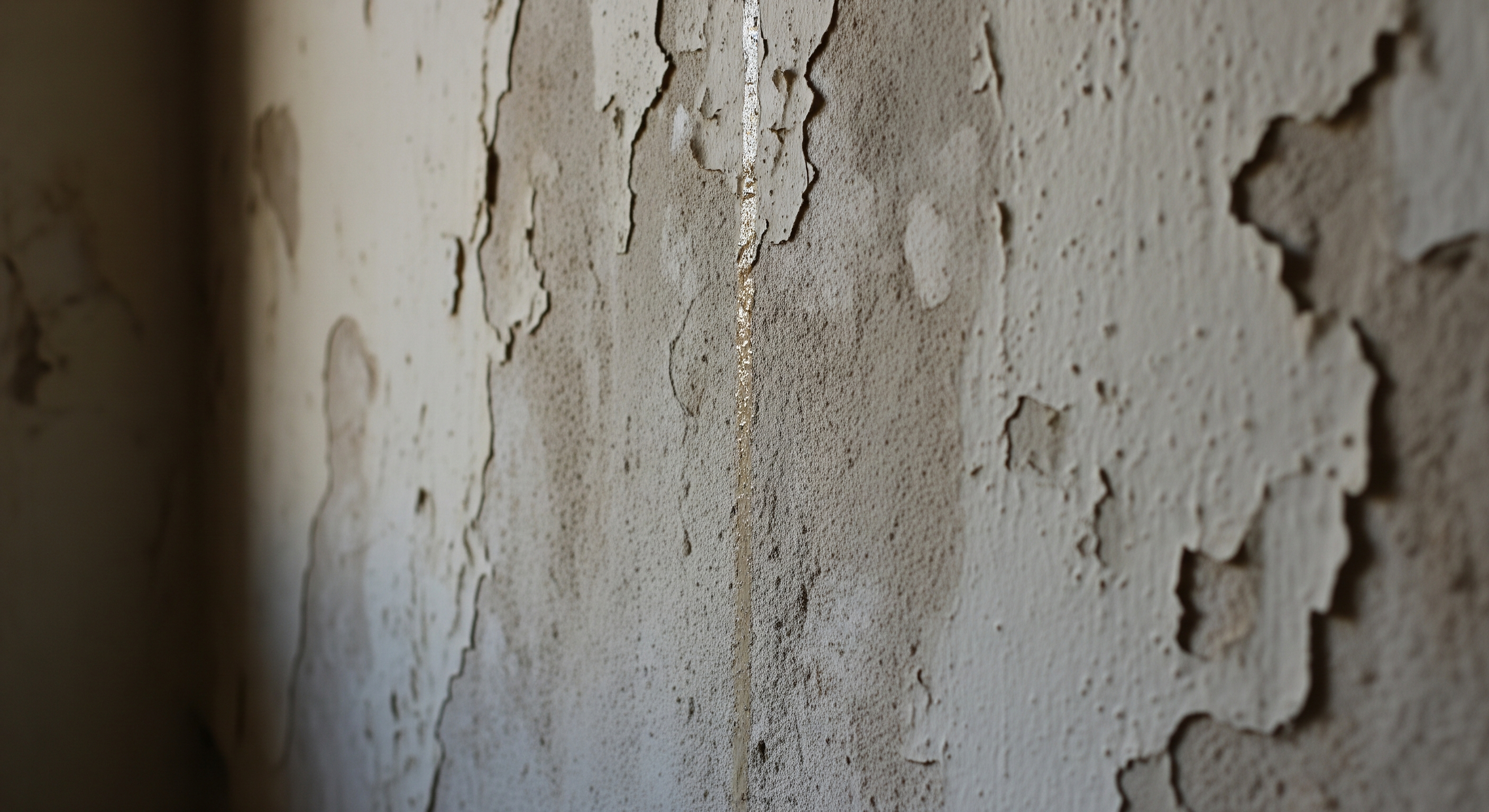
Common signs include unexplained damp odors, warm spots on walls, peeling paint, or rising humidity indoors. You may also notice higher water bills without visible leaks. If these appear, immediate inspection is critical.
2. How fast does damage occur from a hidden wall leak?
Structural materials can begin absorbing water within minutes. Damage escalates significantly within hours and becomes severe after 24–48 hours. Mold growth can begin during that same window.
3. Can I wait to see if the leak dries on its own?
Waiting is risky and often leads to greater damage. Moisture trapped inside walls rarely dries without professional equipment. Delays usually increase repair scope and costs.
4. Will insurance cover an emergency water leak?
Coverage depends on the cause and how quickly action is taken. Sudden leaks are often covered, while delayed damage may not be. Prompt mitigation improves claim outcomes.
5. Who should I call first for an emergency water leak?
After shutting off the water source, contact a professional restoration company immediately. They can assess damage, begin drying, and prevent secondary issues. Fast response is the most effective way to limit loss.