
Emergency Water Damage in Denver: What Homeowners Should Do in the First 60 Minutes
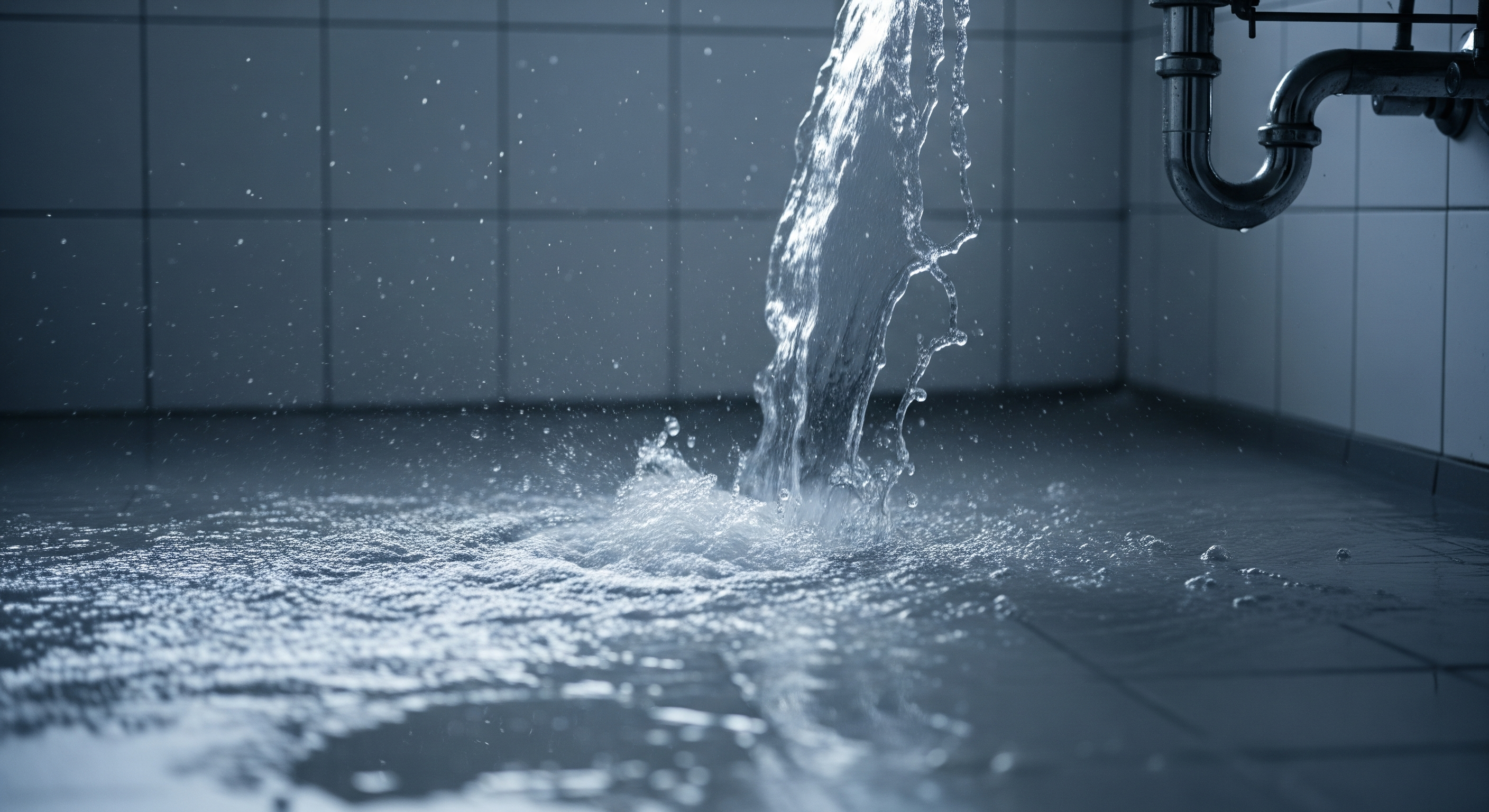
Water damage escalates fast—especially in a city like Denver, where weather swings, frozen pipes, and sudden storms can overwhelm a home in minutes. The first hour after water intrusion is the window where homeowners can prevent widespread structural damage, mold growth, and thousands in repair costs. Acting decisively protects your property, preserves safety, and gives restoration professionals a better chance to save what matters.
TLDR Quick Guide
- Shut off your home’s water supply immediately.
- Cut the power to affected areas only if safe to access.
- Document damage with photos and videos.
- Start moving belongings out of wet zones.
- Call a professional emergency restoration service for immediate response.
- Begin ventilation—open windows, run fans if safe to do so.
Emergency Water Damage in Denver: What to Do First
1. Stop the Water Source Immediately
The first priority is cutting off the water flow. Shut off the main water valve if the cause is internal (burst pipe, appliance leak). If flooding is weather-related, move to safety and avoid standing water.
2. Shut Off Electricity in Affected Areas
Water and electricity are a dangerous mix. Turn off breakers to impacted zones only if you can safely reach the panel without stepping in water. Otherwise, stay clear and wait for professionals.
3. Document Everything for Insurance
Take photos and videos of water levels, damaged flooring, soaked furniture, and walls. This documentation strengthens your insurance claim. Capture wide shots and close-ups for clarity.
4. Move Belongings Out of the Wet Area
Remove furniture, rugs, electronics, and valuables to prevent further damage. Prioritize items that absorb water quickly, like upholstery and bedding. Even cardboard boxes can hold moisture and cause mold if left in place.
5. Begin Ventilation and Moisture Reduction
Open windows and run fans if power is still safe to use. Early air circulation slows mold growth, which can begin within 24 hours. Never attempt to extract large volumes of water yourself—DIY can worsen structural issues.
6. Call a Professional Emergency Restoration Team
Professional help is essential for proper extraction, drying, dehumidification, and structural evaluation. Services like Water Damage Restoration , Storm Damage Restoration , and Emergency Restoration Services ensure that hidden moisture doesn’t remain in walls, flooring, or insulation.
A company like Disaster Experts—known for rapid response across Denver—can prevent minor issues from becoming major structural repairs.
Key Takeaways
- The first 60 minutes determine whether water damage remains manageable or becomes catastrophic.
- Safety comes first—never interact with standing water near electrical hazards.
- Documentation and swift communication with insurance ensure smoother claims.
- Professional restoration teams handle deep drying, moisture detection, and structural care.
- Acting quickly preserves your home’s value and reduces long-term repair costs.
FAQs
1. How fast does mold start forming after water damage?
Mold can develop within 24 to 48 hours after water exposure. Denver’s fluctuating temperatures can accelerate moisture buildup, especially in basements and crawl spaces. Quick drying and professional dehumidification help stop mold before it spreads.
2. Should I try to remove standing water myself?
Small puddles are manageable, but large amounts of standing water require professional equipment. DIY extraction often leaves water trapped beneath flooring or behind walls. This hidden moisture leads to mold and structural deterioration.
3. What items should I move first during water damage?
Start with electronics, soft furnishings, and personal valuables. These items absorb water quickly and are typically the most expensive to replace. Keep them in a dry, ventilated area until a restoration expert gives the all-clear.
4. Will my insurance cover emergency water damage?
Most standard homeowner policies cover sudden and accidental water damage, such as burst pipes. Flooding from natural events often requires separate flood insurance. Documentation and early communication with your insurer increase approval chances.
5. How do professionals determine if walls or floors need replacing?
Restoration teams use moisture meters, infrared cameras, and structural assessments. These tools reveal hidden pockets of moisture that homeowners can’t detect. Based on findings, professionals decide whether materials can be dried or must be removed.