
Emergency Flood Cleanup After Sudden Water Intrusion: What Happens Step by Step
Introduction
Sudden water intrusion—from burst pipes, flooding, or storm damage—can overwhelm a property in minutes. What happens in the first few hours determines whether the damage remains manageable or escalates into a major structural and health issue.
Understanding how emergency flood cleanup works helps homeowners and property managers make informed decisions under pressure. This guide explains exactly what happens step by step after water enters a property and why professional intervention is critical.
TLDR Quick Guide
- Emergency flood cleanup is a time-sensitive process that begins immediately after water intrusion.
- Fast mitigation prevents structural damage, mold growth, and long-term repair costs.
- Professional teams follow a step-by-step restoration protocol to stabilize the property.
- Water source type determines cleanup methods and safety requirements.
- Coordinated emergency restoration reduces downtime for homes and businesses.
Step 1: Immediate Emergency Response
Rapid Assessment and Safety Measures
Emergency cleanup begins with a fast response to stabilize the environment. Technicians assess electrical hazards, contamination risks, and structural safety. Power may be shut off to prevent additional damage or danger.
Identifying the Water Source
The source of the intrusion—clean water, grey water, or contaminated water—dictates the cleanup approach. Sewage or stormwater requires specialized handling. This initial classification is critical for safe restoration.
Step 2: Water Extraction and Containment
High-Powered Water Removal
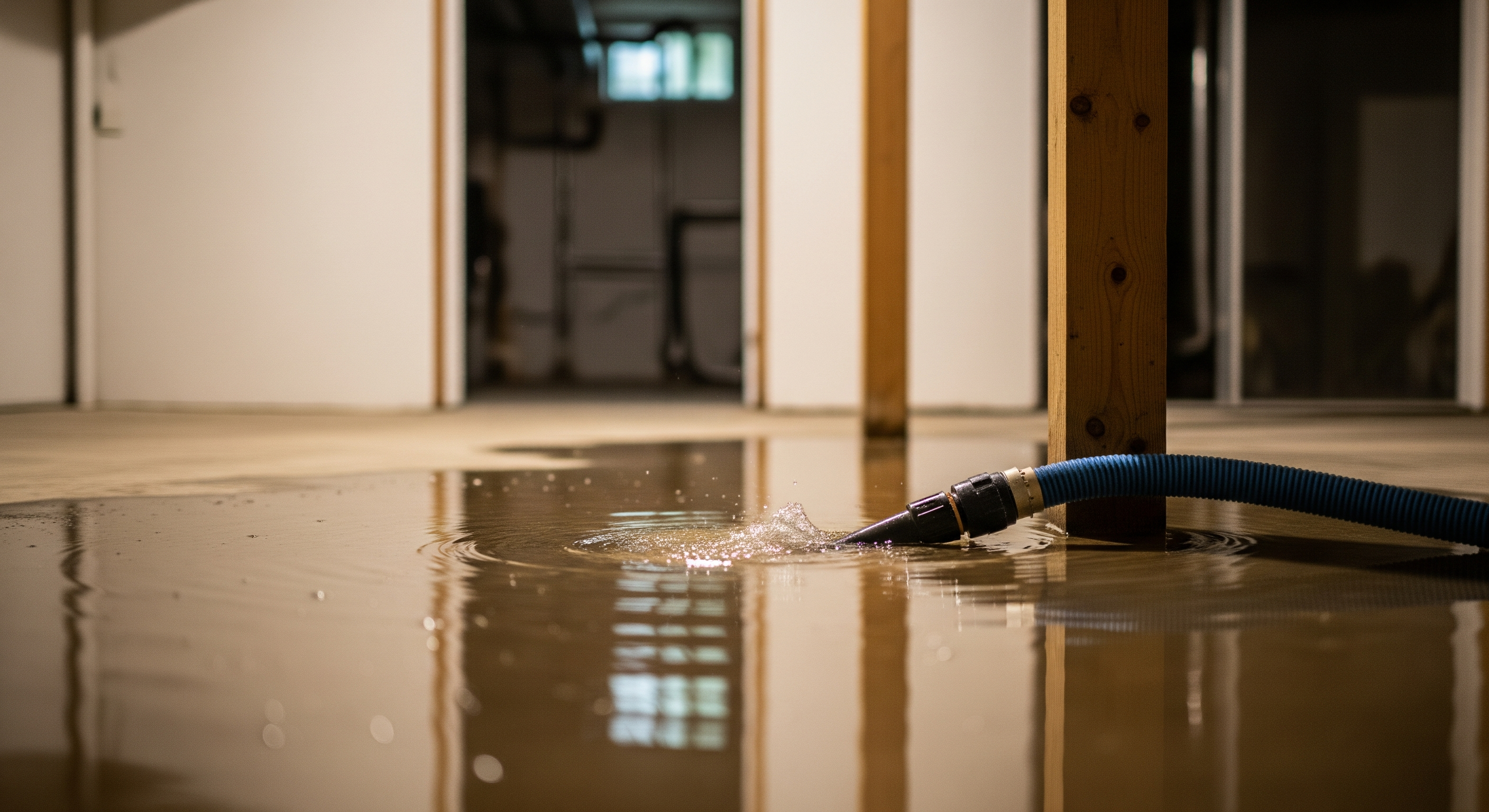
Industrial pumps and vacuums remove standing water quickly. Faster extraction reduces saturation in flooring, drywall, and framing. This step significantly limits secondary damage.
Preventing Cross-Contamination
Affected areas are isolated to stop moisture from spreading. Containment barriers protect unaffected rooms and materials. This is especially important in multi-level or commercial properties.
Step 3: Moisture Detection and Structural Evaluation
Finding Hidden Water
Moisture meters and thermal imaging identify water trapped behind walls, under floors, and in ceilings. Hidden moisture is one of the biggest causes of delayed damage. Thorough detection ensures nothing is overlooked.
Structural Impact Review
Technicians evaluate how water has affected framing, insulation, and subfloors. Saturated materials may need removal to prevent long-term deterioration. This step protects the building’s integrity.
Step 4: Drying and Dehumidification
Controlled Drying Environment
Industrial air movers and dehumidifiers remove moisture from the air and materials. Drying is monitored daily to ensure proper progress. Rushing this stage often leads to future problems.
Preventing Mold Growth
Proper drying stops mold before it can develop. If moisture remains, microbial growth can begin within days. Professional drying protocols reduce this risk significantly.
Step 5: Cleaning, Sanitizing, and Odor Control
Surface Cleaning and Disinfection
Floodwater leaves behind contaminants even after it’s removed. Surfaces are cleaned and sanitized to restore safe conditions. This step is essential for health and hygiene.
Specialized Cleanup for Contaminated Water
When water intrusion involves sewage or stormwater, professionalsewage cleanupprocedures are required. These environments pose serious health risks without proper treatment.
Step 6: Restoration and Structural Repairs
Repairing Damaged Materials
Once the area is dry and clean, damaged drywall, flooring, and insulation are repaired or replaced. This restores the property to pre-loss condition. Structural stability is carefully verified.
Coordinated Emergency Restoration
In severe cases, fullemergency restorationservices streamline cleanup and reconstruction. This approach minimizes downtime and avoids fragmented repairs.
When Flood Cleanup Triggers Additional Services
Mold, Fire, or Storm Damage Overlap
Flood events often coincide with storms or other damage types. Restoration teams may coordinate services such aswater damage restorationor structural repairs. Addressing all damage types together prevents future complications.
Commercial Property Considerations
Businesses face added challenges like inventory loss and operational downtime. Professionalcommercial restorationensures compliance, safety, and faster reopening.
Key Takeaways
- Emergency flood cleanup follows a structured, step-by-step process.
- Fast response reduces structural damage and mold risk.
- Moisture detection is critical for identifying hidden water.
- Proper drying and sanitization protect long-term property health.
- Coordinated restoration services prevent repeat damage and delays.
FAQs
1. How fast should emergency flood cleanup begin?
Cleanup should start immediately—ideally within the first few hours. The longer water sits, the more damage it causes to materials and structure. Fast response dramatically lowers repair costs.
2. Can I handle flood cleanup myself?
Minor spills may be manageable, but significant flooding requires professional equipment and training. Hidden moisture and contamination are often missed by DIY efforts. Professional cleanup ensures safety and thorough restoration.
3. What happens if water is contaminated?
Contaminated water requires specialized removal, sanitization, and disposal. Exposure can pose serious health risks. Professional sewage or storm cleanup protocols are essential in these cases.
4. How long does emergency flood cleanup take?
Initial extraction may take hours, but full drying can take several days. Restoration timelines vary based on damage severity. Proper drying should never be rushed.
5. Will flood cleanup prevent mold growth completely?
When done promptly and correctly, professional cleanup significantly reduces mold risk. Thorough drying and monitoring are key factors. Delayed or incomplete cleanup increases the likelihood of mold issues.