
Emergency Broken Pipe Repair: How Restoration Teams Contain Damage Before Repairs Begin
Introduction
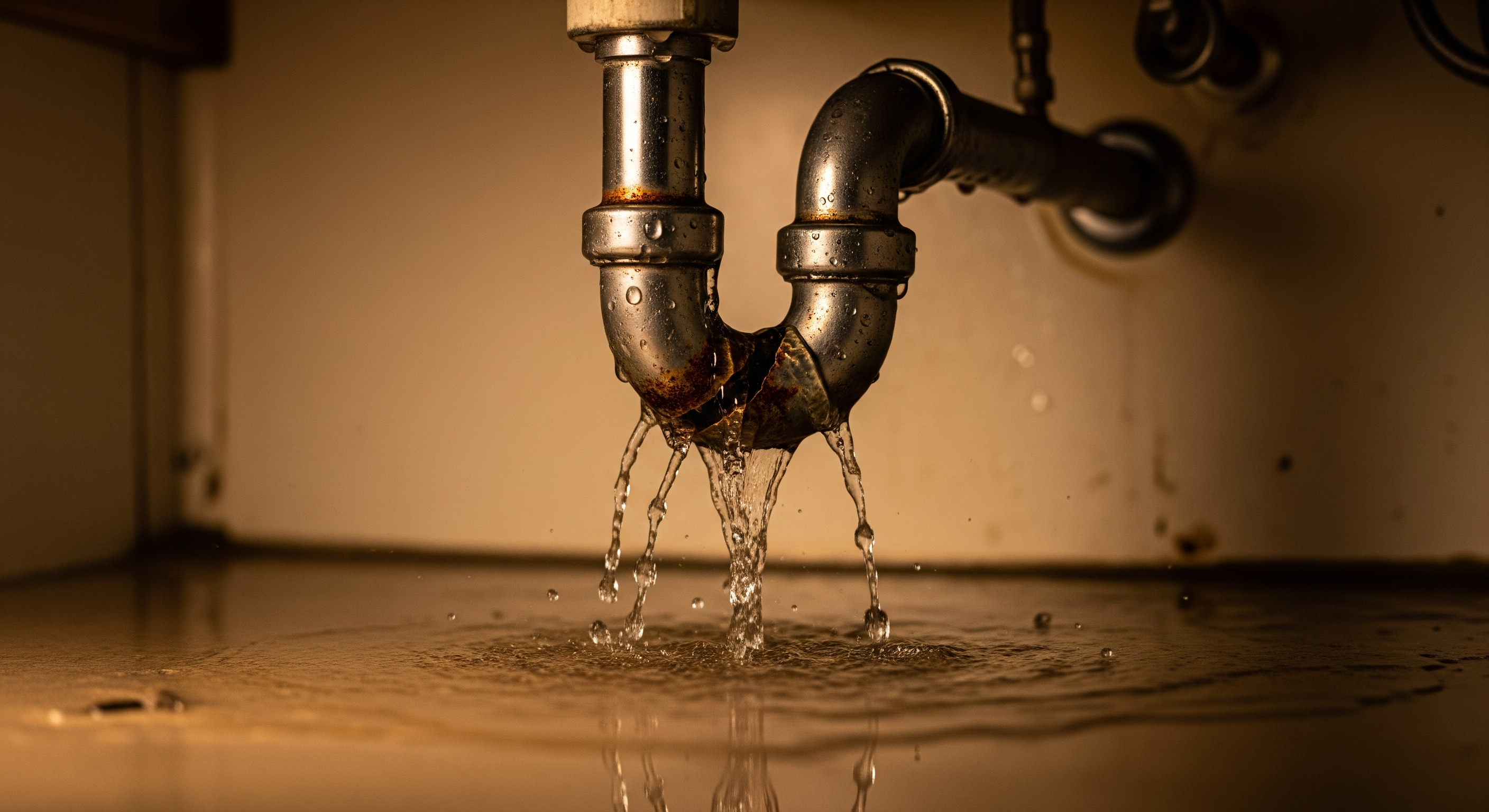
A broken pipe is one of the most disruptive emergencies a property owner can face. Whether caused by freezing temperatures, aging plumbing, pressure buildup, or construction damage, uncontrolled water can spread rapidly through walls, floors, and ceilings. Emergency broken pipe repair isn’t just about fixing the pipe—it’s about containing the damage immediately to protect the structure, indoor air quality, and occupant safety.
This article explains how professional restoration teams respond in the critical first hours after a pipe failure and why proper containment before repairs begin is essential for reducing long-term damage and costs.
Jump To:
TLDR Quick Guide
- Emergency broken pipe repair focuses first on stopping water spread and minimizing damage.
- Restoration teams prioritize containment, extraction, and drying before permanent plumbing repairs.
- Fast response prevents mold growth, structural damage, and costly downtime.
- Professional equipment and protocols protect both residential and commercial properties.
- Coordinated restoration services ensure safe, compliant recovery after pipe failures.
What Happens When a Pipe Breaks
How Water Spreads Through a Property
Damage escalates quickly without intervention
Once a pipe bursts, water follows gravity and path-of-least-resistance routes. It can soak insulation, weaken drywall, damage flooring, and migrate into adjacent rooms or units. In commercial buildings, shared plumbing and HVAC systems can spread moisture even faster.
Why Immediate Action Is Critical
Minutes matter in water emergencies
The longer water remains unchecked, the higher the risk of mold growth and structural deterioration. Electrical systems, equipment, and inventory can also be compromised. Immediate containment dramatically reduces secondary damage.
First Steps in Emergency Broken Pipe Repair
Stopping the Water Source
Shutoff and isolation come first
Restoration teams coordinate with property owners or plumbers to shut off the main water supply. If necessary, they isolate affected plumbing lines to prevent further leakage. This step stabilizes the situation before cleanup begins.
Emergency Assessment and Safety Checks
Protecting people and property
Technicians assess water category, affected materials, and safety hazards such as electrical exposure. This determines the level of protective equipment and containment required. Accurate assessment guides the entire restoration process.
How Restoration Teams Contain Water Damage
Water Extraction and Removal
Removing standing water fast
High-powered pumps and extraction units remove standing water from floors, carpets, and structural cavities. Rapid extraction limits saturation and prevents further material breakdown. This step is often handled alongsidewater damage restorationservices.
Containment Barriers and Controlled Drying
Preventing spread to unaffected areas
Containment walls and negative air pressure systems isolate wet zones. Industrial air movers and dehumidifiers then dry affected materials in a controlled manner. This prevents moisture migration and cross-contamination.
Preventing Secondary Damage
Mold and Air Quality Control
Moisture control protects indoor health
Mold can begin forming within 24–48 hours if moisture is not addressed. Restoration teams monitor humidity levels and moisture content throughout the drying process. This protects indoor air quality and occupant health.
Structural Stabilization
Protecting the building’s integrity
Water can weaken framing, subfloors, and load-bearing components. Temporary stabilization may be required before permanent fixes. In severe cases, coordinatedstructural repairsensure the building remains safe.
Transitioning From Containment to Repairs
Coordination With Plumbing and Reconstruction
Sequencing matters
Permanent pipe repairs typically begin only after moisture levels are under control. This prevents trapping moisture behind walls or under floors. Restoration teams coordinate closely with plumbers and contractors to ensure a smooth transition.
When Emergency Restoration Is Required
Large-scale or commercial incidents
In major pipe failures, especially in offices or multi-unit properties, fullemergency restorationservices may be needed. This approach minimizes downtime and protects business operations. Proper documentation also supports insurance claims.
Key Takeaways
- Emergency broken pipe repair starts with containment, not just fixing the pipe.
- Immediate water shutoff, extraction, and drying reduce long-term damage.
- Professional restoration prevents mold growth and structural deterioration.
- Controlled containment protects unaffected areas and indoor air quality.
- Coordinated restoration ensures safe, compliant recovery before permanent repairs.
FAQs
1. What should I do immediately after a pipe breaks?
Shut off the main water supply as quickly as possible. Avoid electrical hazards and remove valuables from affected areas if it’s safe. Contact a professional restoration team immediately.
2. Can I wait to repair a broken pipe until later?
Delaying response allows water to spread and increases damage. Even small leaks can cause major issues over time. Emergency containment significantly reduces repair costs.
3. How long does drying take after a pipe burst?
Drying typically takes several days, depending on saturation levels and materials affected. Restoration teams monitor moisture to ensure proper drying. Rushing this step can lead to mold or hidden damage.
4. Will insurance cover emergency broken pipe damage?
Many policies cover sudden and accidental pipe failures. Coverage depends on the cause and policy terms. Proper documentation from restoration professionals supports claims.
5. Is professional restoration really necessary?
Yes—professional equipment and expertise are required to fully dry and stabilize structures. DIY methods often miss hidden moisture. Restoration teams reduce risk and ensure safe recovery.