
Denver Water Damage Restoration: What Homeowners Should Do in the First 60 Minutes
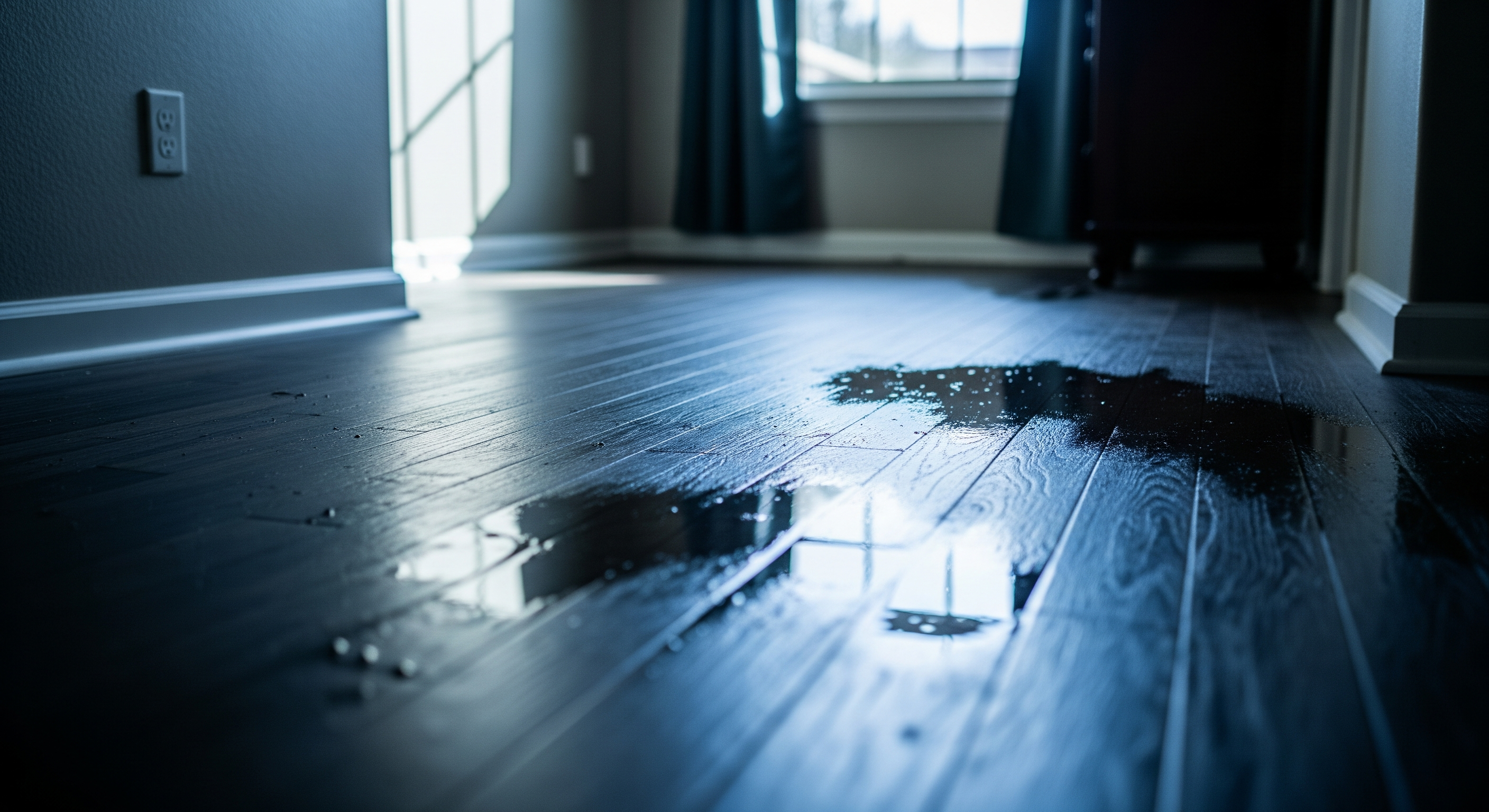
Water damage can escalate from a small problem to a full-scale disaster faster than most homeowners realize. In Denver’s unpredictable climate—where sudden freezes, pipe bursts, and summer storms are common—the first 60 minutes after discovering water damage determine how extensive and costly restoration will be. Acting quickly protects your home, your belongings, and your safety.
TLDR: Quick Guide
- Shut off water at the source and the main electrical panel if safe.
- Document everything before touching the damaged area.
- Remove valuables and start basic water removal.
- Contact a Denver water damage restoration company immediately—speed determines the extent of damage.
- Mold begins forming within 24–48 hours; the first hour is crucial.
What Homeowners Should Do in the First 60 Minutes
1. Ensure Safety First
Before anything else, confirm that the area is safe to enter. Water and electricity are a dangerous combination, and hidden hazards like sagging ceilings or contaminated water can pose serious risks. If the damage appears extensive or unsafe, leave the area immediately and call for emergency help.
2. Stop the Water Source
If the damage comes from a burst pipe, appliance failure, or plumbing issue, shut off the main water line right away. Every minute of continuous water flow increases the severity of structural damage. Knowing where your shutoff valves are ahead of time can save thousands in repairs.
3. Turn Off Electricity (If Safe)
If the affected area contains electrical outlets, switches, or appliances, shut off power at the main breaker panel. Only do this if the breaker area is dry and accessible. If not, wait for professionals—safety comes first.
4. Document Everything for Insurance
Take photos and videos of visible damage before moving anything. Capture multiple angles of floors, walls, furniture, electronics, and any standing water. Proper documentation strengthens your insurance claim and accelerates approvals.
5. Remove Valuable Items
Quickly move electronics, important documents, artwork, and sentimental items to a dry place. Even minor exposure to moisture can permanently destroy certain items, so speed matters here.
6. Start Basic Water Removal
If it's safe, begin removing water using towels, mops, or wet/dry vacuums. This limits how deeply water seeps into flooring, drywall, and structural materials. The goal isn't full cleanup—that’s for professionals—but simply preventing further spread.
7. Increase Ventilation
Open windows, run fans, and bring airflow into the space. Circulation slows mold development, which can begin within 24–48 hours. However, avoid turning on your HVAC system if ducts may be wet.
8. Call a Denver Water Damage Restoration Specialist
Professional restoration teams have industrial equipment, moisture meters, and sanitization protocols that homeowners can’t replicate. Companies like Disaster-Experts can respond quickly and begin mitigation immediately, reducing long-term reconstruction costs. Consider contacting them through their Water Damage Restoration page or their Emergency Restoration service .
9. Protect Against Structural Damage
Water can compromise flooring, walls, ceilings, and support structures. Early assessment helps identify hidden risks like wood rot, weakened framing, or soaked insulation. If structural issues are suspected, include follow-up work such as structural repairs as part of the recovery plan.
Key Takeaways
- The first 60 minutes after water damage are critical—quick action prevents mold, rot, and structural deterioration.
- Safety should always be the first priority before any cleanup begins.
- Documenting everything helps streamline insurance claims.
- Basic mitigation steps (water removal, ventilation, item protection) can reduce thousands in damage.
- Professional Denver water damage restoration ensures thorough drying, sanitization, and long-term prevention.
FAQs
1. How quickly does mold form after water damage?
Mold can begin developing within 24 to 48 hours in moisture-rich conditions. The sooner the water is removed, the lower the risk of microbial growth. Professional drying equipment dramatically reduces this timeline and prevents mold from spreading.
2. Should I call insurance before or after contacting a restoration company?
You can do both simultaneously, but calling a restoration company first often speeds things up. Professionals can assess the situation and provide details your insurance adjuster will need. Many companies also help guide you through the claims process.
3. Can I clean up all the water myself?
Small spills can be handled by homeowners, but significant water damage requires professional extraction. Consumer tools can’t reach deep moisture inside walls, insulation, and subflooring. Failing to fully dry hidden areas can lead to rot and mold later.
4. How do restoration professionals determine what needs to be repaired?
Experts use moisture meters, infrared cameras, and structural assessments to identify all affected materials. This helps them determine whether items can be dried or must be removed. Their goal is to prevent long-term risks while restoring your home safely.
5. What if the water is contaminated?
Contaminated water—like sewage backups or floodwater—poses serious health hazards. Professionals follow strict sanitization protocols and wear specialized protective equipment. It’s important not to handle contaminated water without proper protection.