
What Affects the Cost to Remove Water from a Basement After Flooding
Introduction
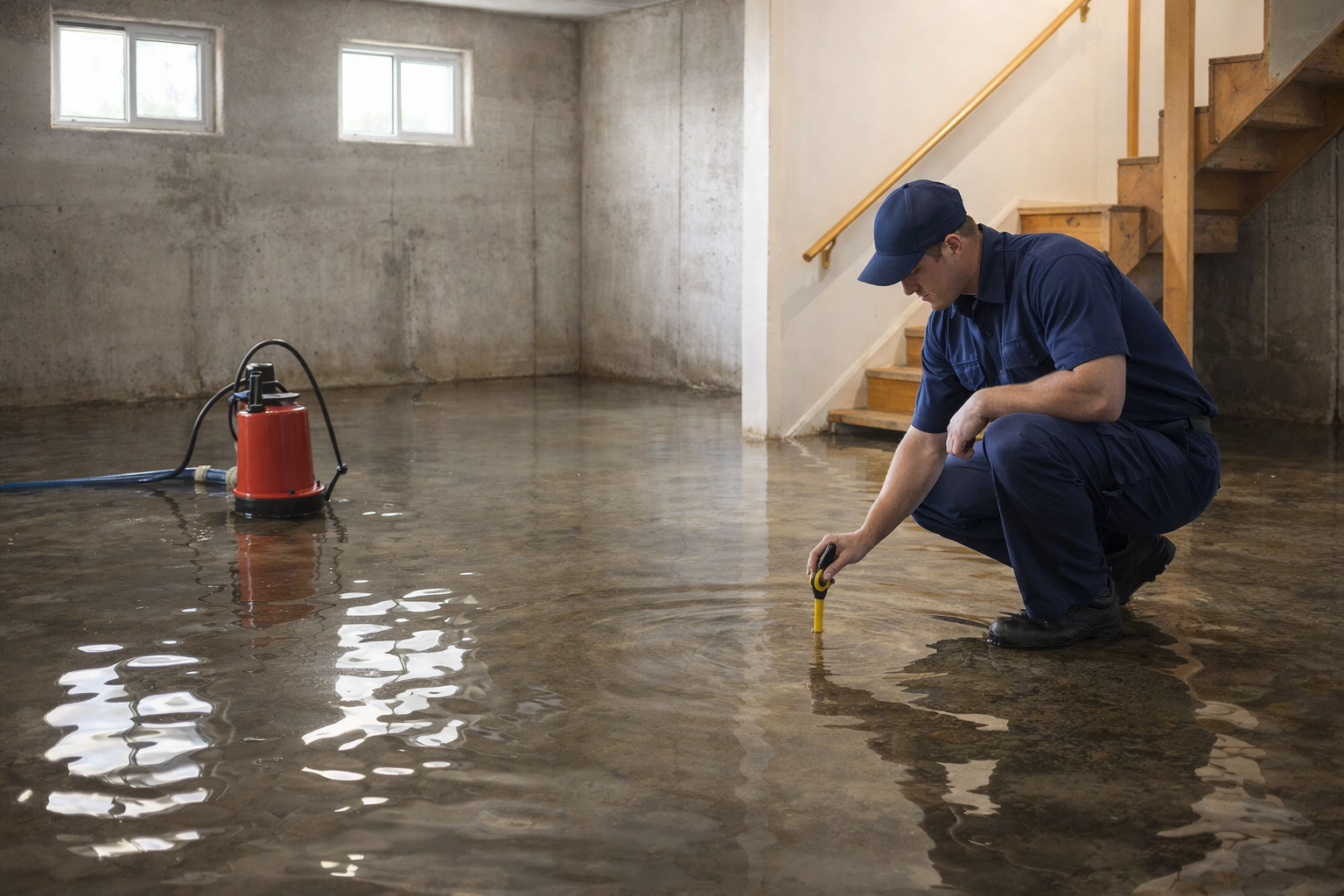
Flooded basements are one of the most stressful situations homeowners can face. Whether caused by heavy rain, burst pipes, or storm damage, water intrusion can quickly lead to structural issues, mold growth, and costly repairs. One of the first concerns homeowners have is understanding the cost to remove water from a basement and what factors influence that price.
The cost of water removal varies significantly depending on the severity of the damage and how quickly action is taken. Standing water is only part of the problem—moisture can seep into walls, flooring, and insulation, creating long-term issues if not properly addressed. This is why professional services like water damage restoration are often necessary to fully mitigate damage.
By understanding the key cost factors involved, homeowners can make informed decisions and take the right steps to minimize both damage and expenses.
TLDR Quick Guide
The cost depends on water depth, damage severity, and affected areas.
Clean water is cheaper to remove than contaminated or sewage water.
Drying, repairs, and mold prevention increase total cost.
Fast response reduces damage and overall expenses.
Emergency services help prevent long-term structural issues.
Main Factors That Affect the Cost to Remove Water from a Basement
Water Volume and Depth
The amount of water in the basement is one of the biggest cost drivers. A few inches of water may require basic extraction, while several feet of flooding can require heavy-duty equipment and extended labor.
Larger volumes of water also take longer to remove and dry, increasing both time and cost. High water levels can also reach electrical systems, insulation, and structural components, making the cleanup process more complex.
The deeper the water, the more extensive the restoration process becomes.
Type of Water Contamination
Not all water damage is the same. Clean water from a broken pipe is easier and less expensive to remove than contaminated water from floods or sewage backups.
Gray water and black water contain harmful bacteria and require specialized cleaning procedures. In severe cases, services like sewage cleanup are necessary to safely remove hazardous materials and sanitize the affected area.
Contaminated water increases costs due to safety requirements, protective equipment, and additional disinfection processes.
Extent of Damage to Materials and Structure
Flooring and Wall Damage
Water can quickly damage flooring materials such as carpet, wood, and laminate. In many cases, these materials need to be removed and replaced to prevent mold and structural deterioration.
Drywall and insulation are especially vulnerable because they absorb water easily. Once saturated, they often require removal and replacement rather than simple drying.
The more materials that need to be repaired or replaced, the higher the overall cost of restoration.
Structural Impact
If water damage reaches structural components such as beams, support columns, or the foundation, repairs become more complex and costly. Structural damage requires professional assessment and specialized repair work.
Services like structural repairs may be necessary to restore the safety and integrity of the home.
Addressing structural issues early helps prevent further damage and ensures long-term stability.
Equipment and Drying Process
Water Extraction and Drying Technology
Professional restoration companies use advanced equipment such as industrial pumps, air movers, and dehumidifiers to remove water and moisture efficiently. The type and number of machines required depend on the size of the affected area.
Drying is a critical step that goes beyond removing visible water. Moisture trapped in walls and flooring can lead to mold growth if not properly addressed.
More extensive drying setups increase costs but are essential for preventing long-term damage.
Time Required for Complete Drying
The length of time needed to fully dry a basement can vary depending on humidity levels, airflow, and the extent of water exposure. Some projects may take a few days, while others require longer drying periods.
Extended drying times increase labor and equipment usage costs. However, thorough drying is necessary to avoid future problems such as mold and structural weakening.
Rushing the process can lead to higher expenses later if issues reappear.
Emergency Response and Timing
Importance of Fast Action
The sooner water is removed, the lower the overall cost is likely to be. Delayed response allows water to spread, increasing damage to materials and structures.
Immediate action can prevent secondary issues such as mold growth, wood rot, and electrical hazards. This is why many homeowners rely on emergency restoration services to address flooding quickly.
Quick response reduces both repair time and total restoration costs.
Impact of Severe Weather Events
Flooding caused by storms often leads to more extensive damage due to the volume of water and potential contamination. Storm-related flooding may also affect multiple areas of the home simultaneously.
In these cases, services like storm damage restoration may be required to address both water removal and structural repairs.
Large-scale damage typically increases costs due to the complexity of the restoration process.
Additional Costs to Consider
Mold Prevention and Remediation
Moisture left behind after flooding can lead to mold growth within 24 to 48 hours. Preventing mold requires proper drying, ventilation, and sometimes antimicrobial treatments.
If mold develops, remediation becomes an additional cost that can significantly increase the total expense. Addressing moisture early helps avoid this issue.
Preventative measures are often more cost-effective than dealing with mold later.
Repairs and Restoration Work
After water removal, many basements require repairs to restore them to their original condition. This may include replacing flooring, repainting walls, or repairing damaged structures.
Restoration work is often the most expensive part of the process, especially if damage is extensive. Comprehensive services ensure that the basement is safe, functional, and visually restored.
Investing in proper restoration helps prevent recurring issues and protects property value.
Key Takeaways
The cost to remove water from a basement depends on water volume, contamination, and damage severity.
Clean water removal is less expensive than contaminated or sewage cleanup.
Structural damage and material replacement increase overall costs.
Fast response helps reduce damage and long-term expenses.
Professional restoration ensures complete drying and prevents future issues.
FAQs
How much does it cost to remove water from a basement?
The cost varies depending on the extent of flooding and damage. Minor water removal may be relatively affordable, while severe flooding can require extensive restoration. Factors such as contamination and structural damage significantly impact pricing.
Does insurance cover basement water removal?
Many insurance policies cover water damage caused by sudden events like burst pipes. However, flooding from natural disasters may require separate flood insurance. It is important to review your policy and contact your provider after damage occurs.
How long does it take to remove water from a basement?
Water extraction can often be completed within hours, depending on the amount of water. However, the drying process may take several days to ensure all moisture is removed. Complete restoration timelines vary based on damage severity.
Can I remove basement water myself?
Small amounts of water may be manageable with basic tools, but larger flooding requires professional equipment. DIY methods may not fully remove hidden moisture, leading to mold and structural issues. Professional services ensure thorough and safe cleanup.
What happens if water damage is not treated quickly?
Delaying water removal can lead to mold growth, structural damage, and higher repair costs. Moisture can spread quickly, affecting walls, flooring, and electrical systems. Immediate action is essential to minimize damage and expenses.