
Cost Factors That Affect Expert Basement Flood Cleanup Services
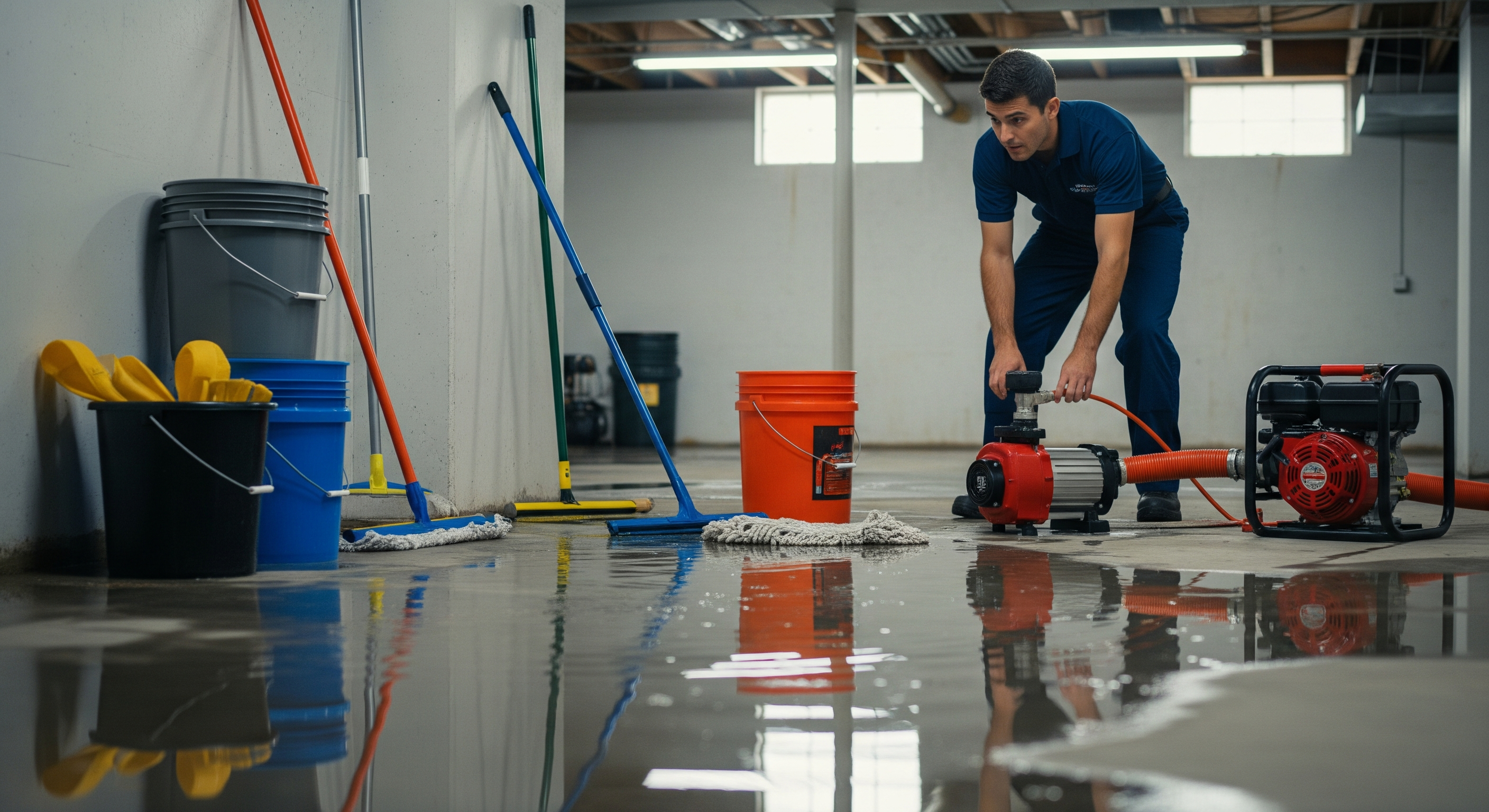
When a basement floods, most homeowners want one answer immediately:how much will this cost?The reality is that pricing for professional cleanup isn’t fixed, because no two flood situations are the same.
Understanding thecost factors for expert basement flood cleanup serviceshelps property owners make informed decisions, avoid surprises, and recognize why professional restoration is often more cost-effective than short-term fixes.
Severity and Depth of Basement Flooding
Water Volume Drives Labor and Equipment Needs
The amount of standing water directly affects cleanup time and complexity. A few inches of water may require extraction and drying, while deeper flooding can saturate walls, insulation, and subfloors. More water means more equipment, labor, and monitoring.
Duration of Exposure Matters
Water left standing longer causes deeper material absorption. This increases drying time and the likelihood of secondary damage. Faster response typically lowers overall cost.
Type of Water Involved
Clean vs Contaminated Water
Clean water from supply line failures is less costly to remediate. Floodwater mixed with sewage or storm runoff requires specialized handling. Contaminated water significantly increases safety and disposal requirements.
Health and Safety Protocols
When biohazards are present, crews must use protective gear and advanced sanitation methods. These safeguards are essential but add to overall cost. Services likesewage cleanupoften require additional steps beyond standard drying.
Extent of Structural and Material Damage
Impact on Walls, Floors, and Foundations
Basements contain porous materials that absorb moisture quickly. Drywall, insulation, and wood framing may need removal. Structural drying and repairs increase scope and pricing.
Hidden Damage Behind Surfaces
Moisture often migrates behind walls and under flooring. Identifying and addressing hidden damage requires specialized moisture detection. Undetected moisture can lead to mold and future repair costs.
For cases involving structural compromise, follow-up work may involvestructural repairs.
Size and Layout of the Basement
Square Footage Affects Time and Equipment
Larger basements require more drying equipment and longer monitoring periods. Complex layouts with multiple rooms or storage areas add labor time. Cleanup scales with space, not just water depth.
Accessibility Challenges
Finished basements or cluttered storage areas take longer to restore. Restricted access increases labor demands. These factors directly influence cost estimates.
Emergency Response Timing
Rapid Response Reduces Secondary Damage
Immediate action prevents water from spreading and materials from degrading further. Delayed cleanup increases drying time and mold risk. Emergency response often lowers long-term costs.
After-Hours or Emergency Calls
Floods rarely happen at convenient times. 24/7 response availability may carry higher initial costs, but prevents greater losses. Services likeemergency restorationare designed to minimize total damage.
Drying, Dehumidification, and Monitoring
Specialized Equipment Use
Professional-grade air movers and dehumidifiers are essential for proper drying. Equipment runs continuously and requires monitoring. The length of use affects pricing.
Moisture Tracking Over Time
Basement drying isn’t a one-day process. Moisture levels must be tracked until safe standards are met. Extended monitoring ensures structural integrity but adds labor time.
Mold Prevention and Remediation Needs
Mold Risk Increases With Time
Basements are naturally prone to mold growth. If moisture lingers, mold remediation may be required. This adds specialized labor and containment measures.
Preventative Measures Save Money
Early drying reduces mold risk significantly. Preventative action is often less expensive than remediation. Professional restoration focuses on prevention, not just cleanup.
Residential vs Commercial Considerations
Larger-Scale Systems and Compliance
Commercial basements often house mechanical systems or inventory. Cleanup may involve regulatory compliance and operational downtime considerations. This increases project scope.
Business Interruption Costs
For commercial properties, speed is critical. Restoration plans often prioritize rapid stabilization. Services likecommercial restorationaddress these higher-stakes needs.
Why Professional Assessment Matters
Estimates Reflect Real Conditions
Online cost ranges don’t account for hidden damage. A professional inspection reveals the true scope. Accurate estimates prevent under-restoration.
Long-Term Cost Protection
Improper cleanup often leads to repeat damage. Expert restoration addresses root issues. This protects property value and reduces future expenses.
AtDisaster Experts, assessments focus on safety, structural integrity, and long-term outcomes—not just surface-level drying.
Key Takeaways
- Basement flood cleanup costs depend on damage severity and response time.
- Water type and contamination significantly impact pricing.
- Structural damage and hidden moisture increase scope.
- Emergency response can reduce overall restoration costs.
- Professional assessment ensures accurate, safe restoration.
FAQs
1. Why do basement flood cleanup costs vary so much?
Every flood situation is different. Water type, duration, and material damage all affect scope. Professional inspection is required for accurate pricing.
2. Does insurance cover basement flood cleanup?
Coverage depends on policy type and flood source. Some water damage is covered, while others require flood insurance. Restoration providers often coordinate documentation.
3. Is it cheaper to handle basement flooding myself?
DIY cleanup may seem cheaper initially. However, missed moisture and improper drying often lead to mold or structural damage. Professional cleanup prevents costly future repairs.
4. How long does professional basement flood cleanup take?
Initial extraction may take hours, but drying can take days. Monitoring continues until moisture levels normalize. Timelines depend on severity and structure.
5. When should I call a professional restoration company?
Immediately after flooding occurs. Fast response limits damage and lowers total costs. Early intervention is always the most cost-effective option.