
Why Water Damage Spreads Faster in Commercial Buildings Than in Homes
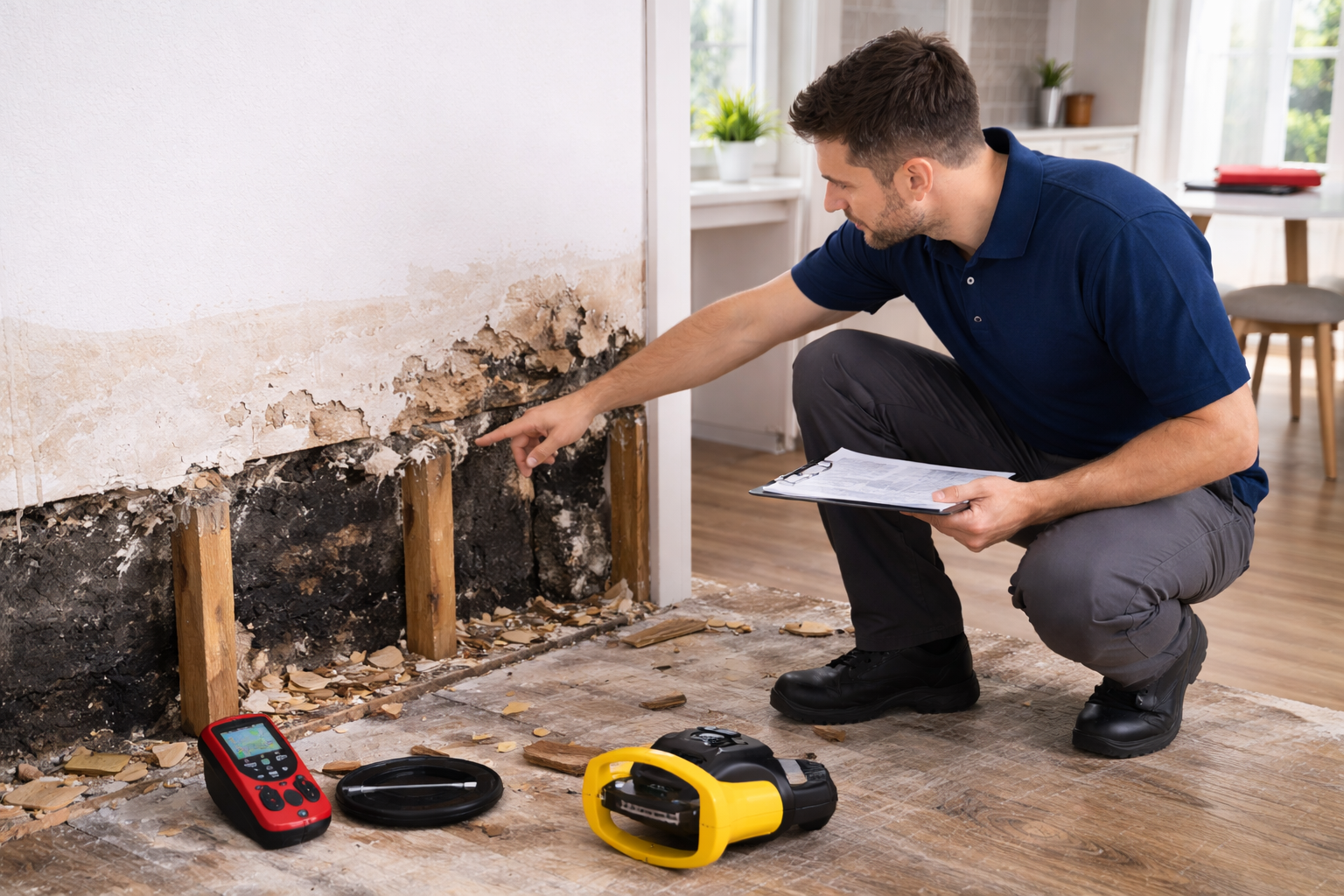
Introduction
Commercial buildings are designed very differently from residential homes. They often include larger floor plans, interconnected systems, and higher occupancy levels. While these features support business operations, they also create ideal conditions for water to spread rapidly when damage occurs.
Unlike homes, where water damage may be contained to a few rooms, commercial properties can experience widespread impact within hours. This is especially true when the source of water—such as burst pipes or flooding—is not immediately detected.
That's why businesses rely on rapid-response services like commercial restoration to contain damage quickly and prevent further escalation. Acting early is the difference between a manageable repair and a major operational disruption.
TLDR Quick Guide
- Commercial water damage spreads faster due to building size and design.
- Open layouts and shared systems accelerate water movement.
- Delays increase damage, downtime, and repair costs.
- Immediate response is critical to limit impact.
- Professional restoration helps contain and reverse damage quickly.
Larger Spaces Allow Water to Travel Further
Open Layouts Increase Spread Speed
One of the main reasons commercial water damage spread is more severe is the size and layout of commercial buildings. Offices, warehouses, and retail spaces often have large open areas with fewer barriers to contain water.
In a residential home, walls and room divisions can slow down water movement. In contrast, commercial spaces allow water to travel freely across floors, affecting multiple areas simultaneously.
This means that what starts as a localized issue can quickly turn into a building-wide problem. The larger the space, the more difficult it becomes to control the spread without professional intervention.
Complex Systems Accelerate Damage
Plumbing, HVAC, and Electrical Networks
Commercial buildings rely on complex systems that run throughout the entire structure. These include plumbing, HVAC systems, and electrical networks—all of which can contribute to faster water spread.
For example, a burst pipe can release water into multiple floors through shared piping systems. Situations like burst pipes can cause rapid flooding across multiple zones before the issue is even detected.
Additionally, HVAC systems can circulate moisture and humidity, spreading water damage into areas that were not initially affected. This creates hidden damage that may go unnoticed until it becomes a larger issue.
Higher Occupancy Increases Risk
More Activity, More Exposure
Commercial buildings typically have more occupants and higher daily activity levels than residential homes. This increases the likelihood of water-related incidents such as appliance leaks, plumbing failures, or accidental damage.
More people also means more potential for delayed detection. In busy environments, early signs of water damage—such as small leaks or damp areas—may go unnoticed until the problem worsens.
When combined with larger spaces and complex systems, this creates a situation where water damage can escalate rapidly if not addressed immediately.
Delayed Response Leads to Rapid Escalation
Time Is the Biggest Risk Factor
One of the most critical factors in commercial water damage spread is response time. The longer water is left untreated, the more damage it causes.
Within hours, water can seep into walls, flooring, and structural components. Within 24 to 48 hours, mold growth can begin, adding another layer of complexity to the restoration process.
That's why businesses often rely on immediate solutions such as emergency restoration services to stop the spread and begin recovery right away. Fast action minimizes damage, reduces costs, and protects operations.
Structural Materials Absorb More Water
Commercial Construction Challenges
Commercial buildings often use materials that can absorb and retain large amounts of water. Drywall, insulation, carpeting, and subflooring can trap moisture, allowing damage to spread beneath the surface.
This hidden moisture weakens structural components and creates long-term issues if not properly addressed. Over time, it can lead to deterioration, mold growth, and costly repairs.
Professional restoration teams not only remove visible water but also address these hidden areas. Services like water damage restoration ensure that moisture is fully eliminated and the structure is properly restored.
Key Takeaways
What Business Owners Need to Know
- Commercial water damage spread happens faster due to size and layout.
- Complex systems can carry water across multiple areas quickly.
- Delayed response significantly increases damage and costs.
- Hidden moisture can lead to long-term structural issues.
- Immediate professional restoration is essential for containment.
FAQs
Why does water damage spread faster in commercial buildings?
Commercial buildings have larger spaces and fewer barriers, allowing water to move more freely. Complex systems like plumbing and HVAC also contribute to faster spread. These factors make immediate response essential.
How quickly can commercial water damage become severe?
Water damage can begin spreading within minutes and escalate within hours. Structural materials start absorbing moisture quickly, increasing the risk of long-term damage. Mold can begin forming within 24 to 48 hours.
What causes most commercial water damage incidents?
Common causes include burst pipes, appliance leaks, and severe weather events. Plumbing failures and system malfunctions are also major contributors. Identifying the source quickly helps limit damage.
Can businesses continue operating during water damage restoration?
In some cases, partial operations may continue depending on the severity of the damage. Restoration teams often work in phases to minimize disruption. However, safety and structural concerns may require temporary closure.
How can businesses prevent water damage from spreading?
Regular maintenance and inspections help identify potential issues early. Installing leak detection systems and responding quickly to problems reduces risk. Having a restoration plan in place ensures faster response when damage occurs.