
Commercial Water Damage Restoration for Offices, Retail, and Warehouses: What Changes by Property Type
Introduction
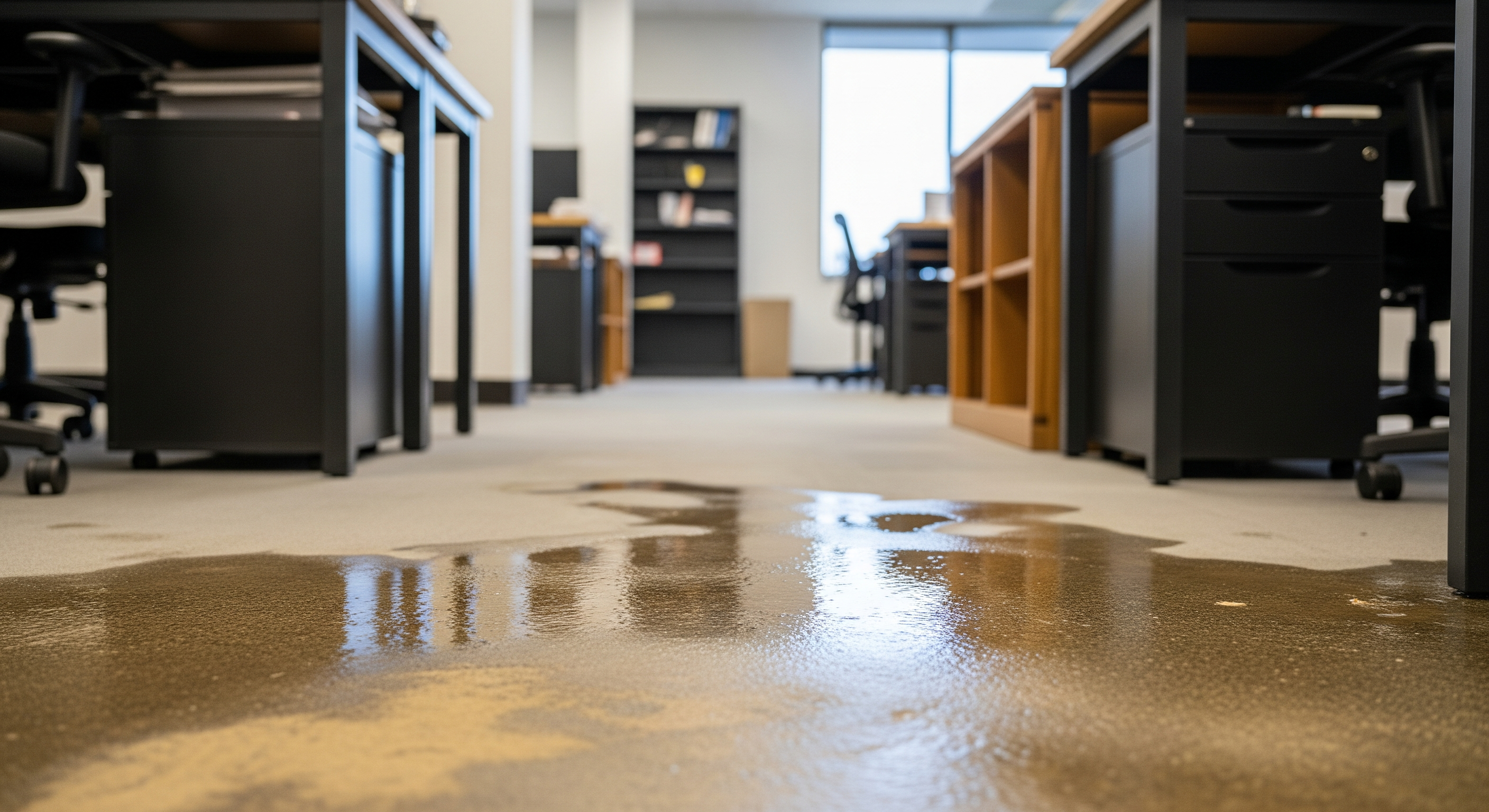
Commercial water damage isn’t a one-size-fits-all problem. Offices, retail spaces, and warehouses each face different risks, downtime pressures, and restoration requirements when water damage occurs. Understanding how commercial water damage restoration changes by property type helps business owners and facility managers respond faster, limit losses, and reopen safely. This guide breaks down what truly matters for each commercial environment and how professional restoration teams adapt their approach.
Jump To:
TLDR Quick Guide
- Offices focus on fast drying to protect equipment and data.
- Retail spaces prioritize safety, customer access, and inventory protection.
- Warehouses require large-scale drying and structural assessment.
- Downtime costs vary significantly by property type.
- A tailored commercial restoration plan prevents long-term disruption.
Why Commercial Water Damage Requires a Different Approach
Scale, Occupancy, and Business Continuity
Commercial properties are larger, more complex, and often occupied during operating hours. Water damage can interrupt operations, create safety hazards, and impact revenue immediately. Restoration must balance speed, compliance, and minimal business disruption.
Regulatory and Liability Considerations
Commercial spaces are subject to stricter health, safety, and accessibility standards. Improper drying or delayed remediation increases liability risk. Professional assessment ensures compliance while protecting occupants and assets.
Commercial Water Damage Restoration for Office Buildings
Protecting Technology and Critical Infrastructure
Offices contain sensitive electronics, servers, and cabling that are highly vulnerable to moisture. Immediate extraction and targeted drying are essential to prevent data loss and equipment failure. Services likewater damage restorationfocus on rapid stabilization to keep business operations intact.
Minimizing Employee Disruption
Office environments often remain partially occupied during restoration. Restoration teams use containment, low-noise equipment, and phased drying to allow continued operations where possible. This reduces downtime while maintaining safety.
Commercial Water Damage Restoration for Retail Spaces
Customer Safety and Brand Protection
Retail environments prioritize customer access and appearance. Water damage creates slip hazards, odors, and visible damage that can deter customers. Restoration must move quickly to sanitize, dry, and restore affected areas.
Inventory and Display Recovery
Water-damaged inventory can result in significant financial loss. Restoration professionals assess which items can be salvaged and which must be removed. Coordinated cleanup helps retailers reopen faster and protect brand reputation.
Commercial Water Damage Restoration for Warehouses
Large-Scale Drying and Structural Concerns
Warehouses present unique challenges due to size, ceiling height, and construction materials. Water can spread across vast floor areas and into structural components. Restoration often includes industrial-grade drying and evaluation forstructural repairs.
Protecting Stored Goods and Equipment
Stored products, machinery, and logistics systems must be assessed quickly. Moisture exposure can lead to corrosion, mold, or contamination. A tailored plan ensures both the building and its contents are properly addressed.
When Commercial Water Damage Becomes an Emergency
Sewage, Storms, and Contaminated Water
Any water damage involving sewage, stormwater, or unknown contaminants requires immediate emergency action. Health risks and regulatory implications make professional intervention critical. Services likesewage cleanupare essential in these scenarios.
After-Hours and 24/7 Response
Commercial properties often experience water damage outside normal business hours. Rapid response prevents escalation and reduces total restoration time. Emergency services ensure damage is contained before operations resume.
Key Takeaways
- Commercial water damage restoration varies by property type and use.
- Offices focus on technology protection and minimal disruption.
- Retail spaces prioritize safety, appearance, and inventory recovery.
- Warehouses require large-scale drying and structural evaluation.
- Tailored restoration plans reduce downtime and long-term costs.
FAQs
1. How is commercial water damage restoration different from residential?
Commercial restoration involves larger spaces, higher occupancy, and stricter regulations. It often requires industrial equipment and phased work plans. Business continuity is a primary focus.
2. How long does commercial water damage restoration take?
Timelines vary based on property size, water source, and materials affected. Offices may stabilize within days, while warehouses can take longer due to scale. Early response significantly shortens recovery time.
3. Can businesses stay open during restoration?
In some cases, yes—especially for offices and retail spaces. Restoration teams can isolate affected areas to allow partial operation. Safety and compliance always determine feasibility.
4. Does commercial water damage always require structural repairs?
Not always, but prolonged moisture can weaken building materials. Professional assessment determines if repairs are needed. Early drying often prevents structural damage.
5. Should businesses call emergency restoration immediately?
Yes, if water is spreading, contaminated, or affecting critical systems. Fast action limits damage and liability. Emergency restoration services help stabilize the property quickly.