
What Delays Commercial Disaster Recovery in Lafayette and How to Avoid Downtime
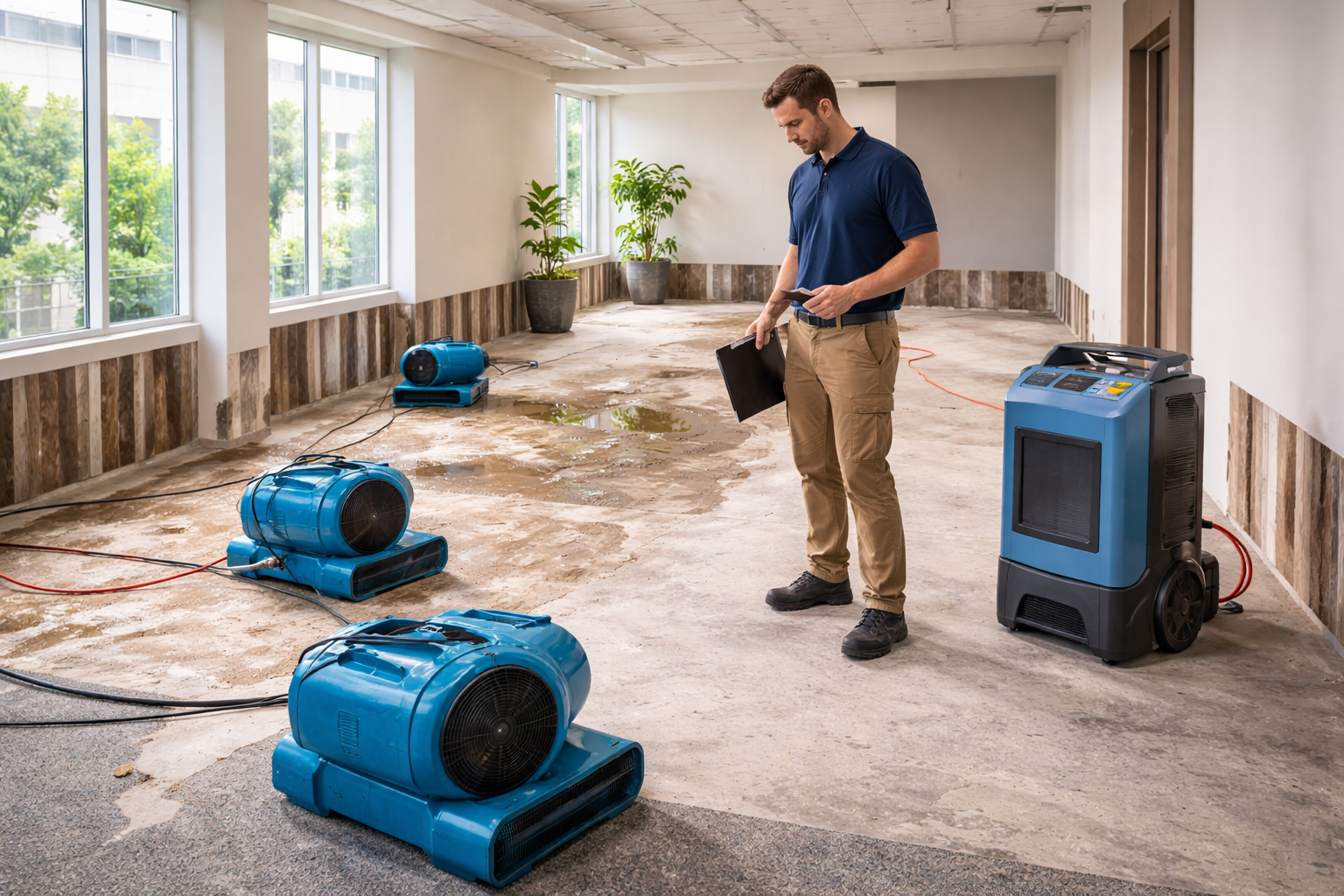
Introduction
Commercial disasters are not just about property damage—they disrupt operations, affect employees, and can result in significant financial loss. The faster a business recovers, the better its chances of minimizing long-term impact.
However, recovery timelines are often extended due to preventable issues. Businesses that are unprepared or rely on slow-response contractors may face unnecessary delays that could have been avoided.
Working with experienced providers like Disaster Experts ensures faster response times and coordinated restoration efforts, especially when immediate services like emergency restoration are required.
TLDR Quick Guide
Slow emergency response increases damage severity
Incomplete damage assessment leads to missed issues
Insurance claim delays slow down approvals
Poor coordination between contractors causes bottlenecks
Lack of preparedness increases downtime
Fast response, proper planning, and professional restoration services are key to minimizing downtime.
Common Causes of Delays in Commercial Disaster Recovery
Slow Emergency Response
One of the biggest causes of delays is simply not acting fast enough. The longer water, smoke, or contaminants sit in a building, the more damage they cause.
For example, water damage can lead to mold growth within 24–48 hours. Immediate action through services like water damage restoration helps prevent secondary damage and speeds up recovery.
Incomplete Damage Assessment
A rushed or incomplete assessment can lead to missed issues such as hidden moisture, structural weaknesses, or contamination. These problems often surface later, causing additional delays and costs.
A thorough inspection ensures all damage is identified and addressed from the start.
Insurance Claim Delays
Insurance processing is another major bottleneck. If documentation is incomplete or unclear, claims can be delayed or even denied.
Working with restoration professionals who understand insurance requirements can help streamline the process and avoid unnecessary setbacks.
Operational Challenges That Slow Recovery
Poor Contractor Coordination
Commercial restoration often involves multiple teams—cleanup crews, contractors, inspectors, and insurance adjusters. Without proper coordination, projects can become disorganized.
Delays occur when teams are not aligned or when scheduling conflicts arise.
Structural Damage Complications
Severe damage often requires structural repairs before restoration can continue. If these repairs are not addressed quickly, the entire recovery process can stall.
Services such as structural repairs are critical for stabilizing the building and allowing restoration work to proceed safely.
Hidden Contamination Issues
Sewage backups, mold, and smoke residue can create hidden hazards that require specialized cleanup. These issues are often more complex than visible damage and can significantly extend recovery timelines.
Proper handling through professional services like sewage cleanup ensures safe and thorough remediation.
How to Avoid Downtime After a Commercial Disaster
Have an Emergency Response Plan
Businesses that prepare in advance recover faster. An emergency response plan should include:
Contact information for restoration providers
Evacuation procedures
Documentation protocols
Preparation allows immediate action when disaster strikes.
Work with a Full-Service Restoration Team
Choosing a company that handles all aspects of restoration reduces delays caused by multiple contractors. A full-service provider can manage everything from cleanup to reconstruction.
This streamlined approach ensures faster and more efficient recovery.
Act Immediately
Time is the most critical factor in disaster recovery. Delaying action—even by a few hours—can significantly increase damage and recovery time.
Immediate response minimizes damage and helps restore operations faster.
The Importance of Professional Commercial Restoration
Expertise in Complex Projects
Commercial properties are more complex than residential spaces. They often involve larger areas, specialized equipment, and strict safety regulations.
Professional teams experienced in commercial disaster recovery Lafayette projects understand how to handle these complexities efficiently.
Faster Recovery Timelines
Experienced restoration providers use advanced equipment and proven processes to speed up recovery. This reduces downtime and helps businesses resume operations sooner.
Long-Term Damage Prevention
Proper restoration not only fixes current damage but also prevents future issues such as mold growth or structural deterioration.
This ensures the building remains safe and functional long after the initial recovery.
Key Takeaways
Delays in commercial disaster recovery Lafayette are often caused by slow response and poor planning.
Immediate action helps prevent additional damage and reduces recovery time.
Proper assessment and coordination are critical for efficient restoration.
Working with experienced professionals minimizes downtime.
Preparation and planning are essential for faster recovery.
FAQs
What is commercial disaster recovery?
Commercial disaster recovery refers to restoring business properties after damage caused by water, fire, storms, or other events. It includes cleanup, repairs, and returning the property to operational condition. The goal is to minimize downtime and financial loss.
How long does commercial disaster recovery take?
The timeline depends on the severity of the damage and the type of disaster. Minor damage may take days, while major restoration projects can take weeks or months. Fast response and proper planning significantly reduce recovery time.
What causes the biggest delays in disaster recovery?
The most common causes include slow response, incomplete assessments, and insurance processing delays. Poor coordination between contractors can also slow progress. Addressing these factors early helps prevent extended downtime.
Can businesses operate during restoration?
In some cases, partial operations can continue depending on the extent of the damage. Safety is the primary concern, so certain areas may need to remain closed. A restoration plan can help minimize disruption to business operations.
How can businesses prepare for disasters?
Businesses should create an emergency response plan and establish relationships with restoration providers in advance. Regular inspections and maintenance also help reduce risk. Preparation allows faster action and reduces downtime when disasters occur.