
Commercial Disaster Recovery Decision Making That Reduces Long-Term Business Risk
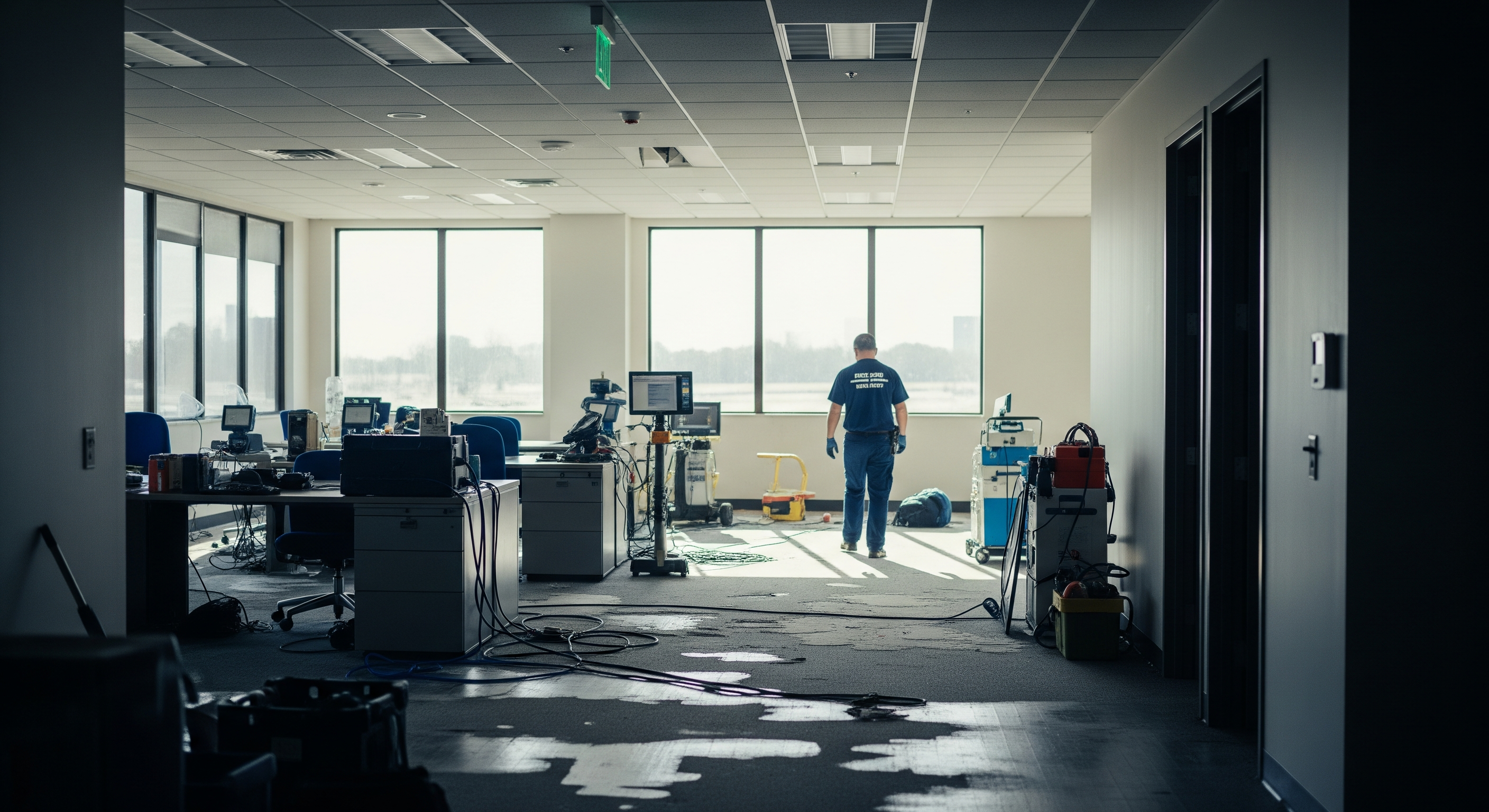
When a disaster strikes a commercial property, urgency often drives decisions—but speed alone doesn’t equal smart recovery.Commercial disaster recovery decision makingdetermines whether a business simply reopens or truly recovers. The right decisions early on reduce long-term operational risk, prevent recurring damage, and protect the organization’s financial and reputational health.
Why Early Decisions Matter in Commercial Recovery
Disasters create cascading risks
Water, fire, and contamination rarely stop at visible damage. Moisture migrates, smoke residues spread, and structural stress compounds over time. Early missteps often turn manageable losses into long-term liabilities.
Short-term fixes create long-term costs
Quick cosmetic repairs may restore appearances but leave underlying issues unresolved. Businesses that skip proper mitigation often face repeat shutdowns. Strategic recovery prioritizes durability over speed.
The First Decision: Assessment Before Action
Why professional assessment is non-negotiable
Commercial properties are complex systems—HVAC, electrical, structural, and occupancy safety all intersect. A comprehensive assessment identifies visible and hidden risks. Decisions made without data increase exposure.
Risk-based scope planning
Effective recovery planning evaluates safety, regulatory compliance, and operational continuity. This structured approach prevents partial fixes. It also protects against future business interruptions.
Water, Fire, and Contamination Require Different Strategies
Water damage complexity
Water affects flooring, walls, equipment, and indoor air quality. Improper drying leads to mold and material failure. Services likeWater Damage Restorationfocus on containment and long-term protection—not just extraction.
Fire and smoke impact beyond flames
Smoke and soot infiltrate systems far from the burn area. Residue continues causing corrosion and odor if untreated. ProfessionalFire Damage Restorationaddresses both visible and invisible risks.
Protecting Business Continuity
Downtime costs more than repairs
Lost revenue, customer trust, and employee disruption often exceed repair costs. Recovery decisions should prioritize continuity planning. Temporary stabilization can prevent prolonged shutdowns.
Phased recovery planning
Not all areas must reopen simultaneously. Strategic phasing allows partial operations while restoration continues. This minimizes operational losses.
Structural Integrity and Long-Term Safety
Hidden structural risks
Disasters can compromise framing, supports, and load-bearing elements. These risks may not be immediately obvious. Ignoring them increases liability.
Integrated repair planning
ProfessionalStructural Repairsensure buildings are safe, compliant, and resilient. Structural integrity protects future operations and insurance eligibility.
The Role of Emergency Response
Speed with structure
Rapid response is critical—but it must be controlled and informed. Emergency actions without planning often worsen damage. CoordinatedEmergency Restorationbalances urgency with precision.
Preventing secondary damage
Fast stabilization prevents mold, corrosion, and contamination spread. These secondary issues often create the largest long-term costs. Early containment reduces total risk.
Insurance, Documentation, and Liability
Documentation protects recovery outcomes
Insurance claims hinge on accurate documentation. Poor records delay approvals and reduce coverage. Strategic recovery decisions align scope with insurer requirements.
Reducing future liability
Incomplete restoration increases risk of employee injury or tenant complaints. Proper documentation and compliance protect against legal exposure. Recovery decisions extend beyond the initial incident.
Why Commercial-Specific Expertise Matters
Commercial recovery isn’t residential recovery
Larger spaces, specialized equipment, and occupancy regulations change everything. Commercial recovery demands advanced coordination. Generic approaches fall short.
Choosing the right partner
Companies likeDisaster Expertsfocus on structured, end-to-end commercial recovery. Their approach supports not just reopening—but long-term business resilience. Expertise reduces risk at every stage.
Building a Resilient Recovery Strategy
Learning from the incident
Each disaster reveals vulnerabilities. Smart recovery includes evaluation and future prevention planning. Risk reduction is ongoing.
Preparedness reduces impact
Businesses with recovery frameworks rebound faster. Decision making improves under pressure. Preparation is a competitive advantage.
Key Takeaways
- Commercial disaster recovery decision making shapes long-term business risk.
- Early assessments prevent hidden damage and repeat losses.
- Structured recovery protects safety, revenue, and reputation.
- Emergency speed must be paired with strategic planning.
- The right recovery partner reduces risk beyond the initial disaster.
FAQs
1. Why is commercial disaster recovery more complex than residential?
Commercial properties have larger systems, stricter regulations, and operational dependencies. Recovery must protect employees, customers, and compliance. Complexity increases risk without proper planning.
2. How fast should a business act after a disaster?
Immediately—but with structure. Emergency stabilization should begin quickly, followed by thorough assessment. Speed without planning often causes long-term issues.
3. Can poor recovery decisions affect insurance claims?
Yes. Incomplete documentation or improper scope can reduce coverage. Strategic recovery aligns with insurer expectations.
4. What’s the biggest mistake businesses make after disasters?
Focusing only on reopening quickly. Long-term damage often results from rushed decisions. Strategic recovery balances speed and durability.
5. How can businesses reduce future disaster risk?
By evaluating vulnerabilities during recovery and improving preparedness. Each incident provides insight. Risk reduction is an ongoing process.