
How Commercial Disaster Recovery in Colorado Requires Planning for Climate and Infrastructure
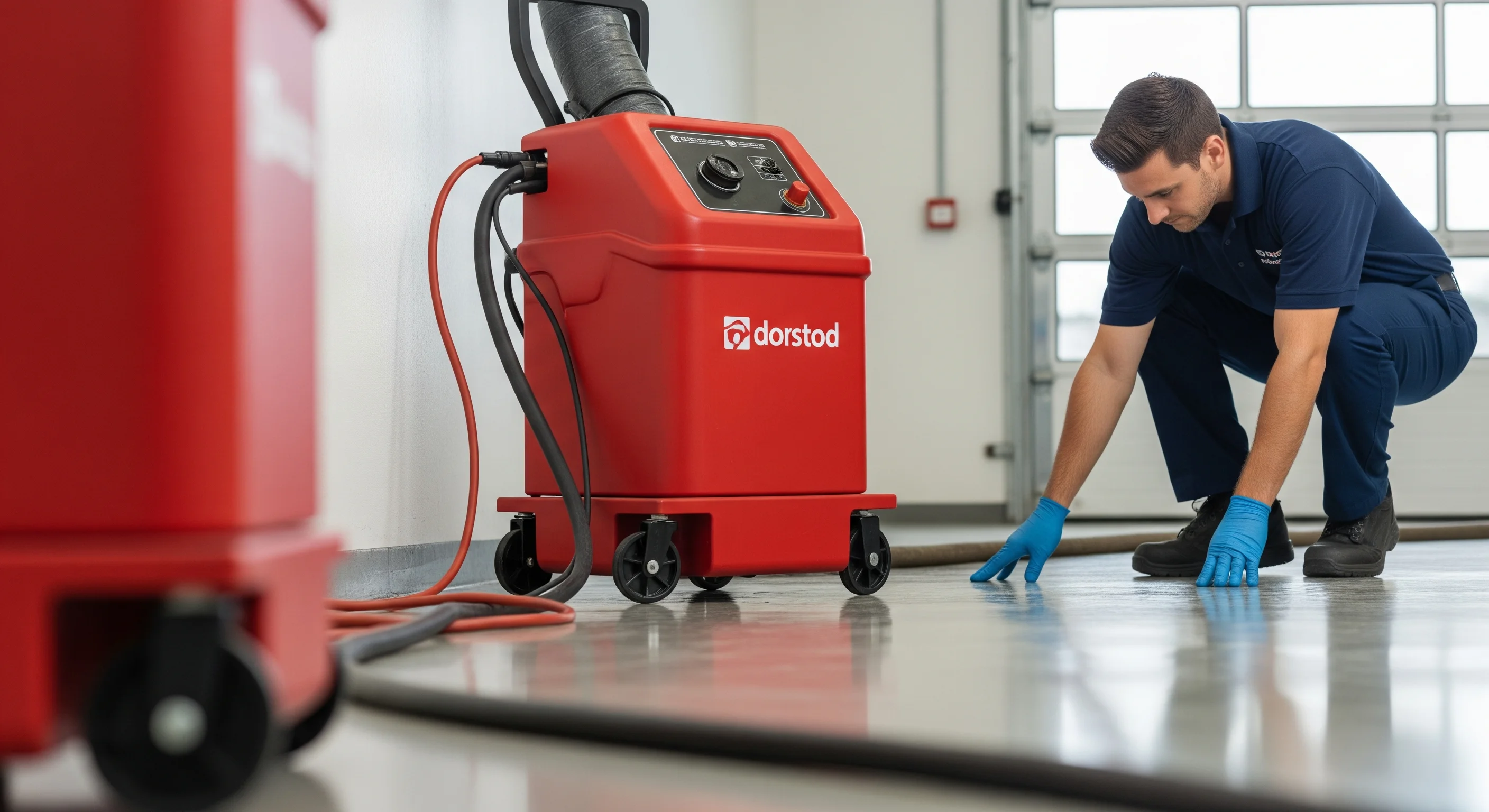
Disasters rarely impact commercial properties in simple or predictable ways—especially in Colorado. From sudden snowstorms and flash flooding to wildfires and infrastructure strain, businesses face a unique combination of environmental and structural risks.
Effective commercial disaster recovery in Colorado depends on understanding how climate and infrastructure interact—and planning accordingly before damage occurs.
TLDR Quick Guide
- Colorado’s climate creates unique risks for commercial properties year-round.
- Freeze-thaw cycles, storms, and wildfires complicate disaster recovery planning.
- Aging infrastructure increases the likelihood of secondary damage.
- Commercial recovery requires faster coordination than residential restoration.
- Proactive planning reduces downtime, liability, and financial loss.
Why Colorado’s Climate Increases Commercial Risk
Extreme Weather Variability
Colorado experiences rapid weather shifts that stress building systems. Freeze-thaw cycles cause pipes to burst, foundations to crack, and roofing materials to fail. These conditions increase the frequency and severity of commercial property damage.
Storms, Flooding, and Wildfire Exposure
Heavy rain, hail, and snowmelt can overwhelm drainage systems. Wildfires introduce smoke damage and air quality concerns even when flames don’t reach the building. Commercial recovery must address both direct and indirect impacts.
Infrastructure Challenges in Commercial Buildings
Aging Plumbing and Electrical Systems
Many commercial properties rely on older infrastructure not designed for modern usage or extreme climate shifts. When systems fail, damage spreads quickly across large spaces. This increases repair complexity and downtime.
Flat Roofs and Drainage Limitations
Commercial roofs are especially vulnerable to pooling water and snow load. Poor drainage accelerates leaks and structural strain. Recovery plans must account for hidden moisture and long-term degradation.
How Commercial Recovery Differs From Residential Restoration
Business Continuity Is the Priority
Commercial recovery isn’t just about repairs—it’s about reopening safely and quickly. Lost operating time translates directly into revenue loss. Restoration plans must align with business operations and compliance requirements.
Larger Footprints Mean Compounded Damage
Water or smoke spreads farther in commercial spaces. HVAC systems, shared walls, and open layouts amplify damage. Professional commercial restoration addresses these scale-related challenges.
Planning for the Most Common Commercial Disasters
Water Damage and Flood Events
Burst pipes, roof leaks, and snowmelt flooding are common in Colorado. Fast response prevents mold and structural damage. Professional water damage restoration is critical for limiting downtime.
Storm and Structural Damage
Wind, hail, and heavy snow place intense stress on commercial structures. Immediate stabilization reduces secondary damage. Coordinated storm damage restoration protects both assets and occupants.
Fire, Smoke, and Air Quality Concerns
Even small fires can shut down businesses due to smoke contamination. Soot and odor penetrate HVAC systems and materials. Comprehensive fire damage restoration ensures safe reoccupation.
Why Pre-Planning Makes the Biggest Difference
Faster Response, Lower Costs
Pre-established recovery plans eliminate delays during emergencies. Teams mobilize faster when roles and processes are defined. This significantly reduces repair costs and business interruption.
Coordinated Emergency Restoration
Working with an experienced provider simplifies recovery. Services like emergency restoration streamline mitigation, repairs, and reconstruction. This prevents fragmented recovery efforts.
The Role of Expert Commercial Recovery Teams
Multi-Disciplinary Coordination
Commercial recovery often involves multiple trades and compliance standards. Experienced teams manage logistics, safety, and timelines. This reduces risk and accelerates reopening.
Long-Term Risk Mitigation
Recovery should strengthen—not just restore—commercial properties. Structural improvements reduce future vulnerability. This proactive approach protects long-term asset value.
Key Takeaways
- Colorado’s climate creates complex risks for commercial properties.
- Infrastructure limitations amplify disaster impact.
- Commercial recovery prioritizes speed, safety, and continuity.
- Pre-planning reduces downtime and financial loss.
- Expert coordination ensures efficient, compliant restoration.
FAQs
1. Why is commercial disaster recovery in Colorado more complex?
Colorado’s extreme weather and elevation-driven climate shifts stress building systems. These conditions increase the likelihood of secondary damage. Commercial properties must plan for rapid response.
2. How does climate affect recovery timelines?
Cold temperatures slow drying and repairs. Storm seasons can delay access and materials. Planning accounts for seasonal constraints.
3. What disasters impact Colorado businesses most often?
Water damage, storms, fires, and sewage backups are most common. Each presents unique risks. A comprehensive recovery plan addresses all scenarios.
4. Why is professional commercial restoration necessary?
Commercial spaces require specialized equipment, compliance, and coordination. DIY or partial repairs increase liability. Professional restoration ensures safety and continuity.
5. When should businesses create a disaster recovery plan?
Before disaster strikes. Planning during an emergency leads to delays and mistakes. Proactive preparation protects operations and assets.