
Commercial Disaster Recovery Planning: How Businesses Reduce Downtime After Major Damage
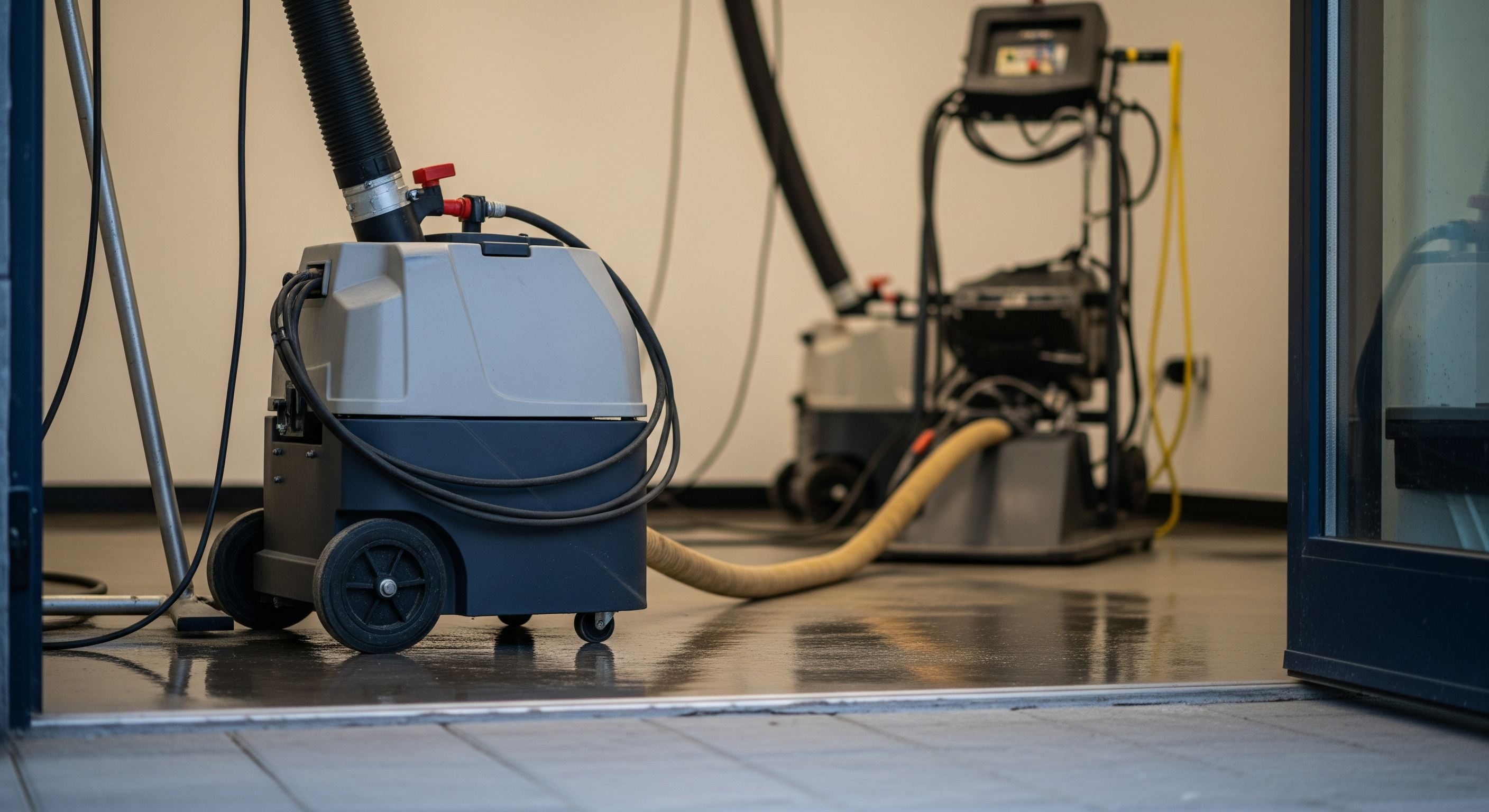
When a major disaster strikes a commercial property, every hour of downtime directly impacts revenue, operations, and customer trust. Commercial disaster recovery isn’t just about fixing damage—it’s about restoring functionality as quickly and safely as possible. Businesses that plan ahead recover faster, avoid costly delays, and maintain operational continuity even after severe events.
Without a structured recovery plan, organizations face confusion, stalled decisions, and prolonged closures. Effective disaster recovery planning aligns leadership, facility teams, and restoration professionals around one goal: getting the business back online with minimal disruption.
TLDR Quick Guide
- Commercial disaster recovery planning minimizes downtime after major damage.
- Pre-planned response protocols speed up restoration and decision-making.
- Water, fire, storm, and sewage events require different recovery strategies.
- Documentation and coordination protect insurance and compliance outcomes.
- Businesses that plan ahead recover faster and reopen sooner.
Why Downtime Is the Greatest Risk After Disaster
Operational and Financial Impact
Downtime affects far more than the physical space. Lost productivity, missed sales, and contractual penalties quickly add up. Even short closures can ripple through supply chains and customer relationships.
Reputation and Customer Confidence
Customers and partners expect continuity. Prolonged shutdowns can damage brand trust and market position. Fast, visible recovery reassures stakeholders and preserves long-term relationships.
Insurance and Compliance Pressures
Delayed response often complicates insurance claims and regulatory compliance. Proper documentation and immediate mitigation are essential to protect coverage and reduce disputes.
Core Components of Commercial Disaster Recovery Planning
Pre-Loss Risk Assessment
Effective planning starts before disaster occurs. Businesses assess vulnerabilities such as flooding risk, aging infrastructure, or weather exposure. This allows teams to prioritize response actions.
Defined Response Roles
Clear responsibility assignments prevent confusion during emergencies. Facility managers, executives, and vendors know exactly who activates recovery protocols. This clarity accelerates decision-making when time matters most.
Pre-Selected Restoration Partners
Having trusted restoration providers on standby eliminates delays. Companies that pre-vet specialists for water, fire, or storm events recover faster. This preparation avoids rushed decisions under pressure.
Reducing Downtime Through Immediate Mitigation
Water Damage Rapid Response
Water spreads quickly and escalates damage if untreated. Immediate extraction, drying, and containment prevent structural compromise and mold growth. Services like Water Damage Restoration are often the first line of defense.
Fire and Smoke Recovery Strategy
Fire damage creates toxic residue and air quality issues long after flames are extinguished. Professional Fire Damage Restoration focuses on decontamination, HVAC cleaning, and safe reoccupation. Speed here is critical to limit long-term disruption.
Storm and Sewage Event Management
Storm damage often combines water intrusion, debris, and structural risk. Sewage incidents introduce biohazards requiring strict containment. Coordinated response prevents secondary damage and accelerates reopening.
Phased Restoration to Keep Operations Running
Containment and Zoning
Businesses rarely need to shut down entire facilities. Recovery teams isolate affected areas while allowing safe operations elsewhere. This phased approach dramatically reduces lost operating time.
Parallel Restoration and Repairs
Mitigation and repairs often happen simultaneously. Structural drying can begin while planning permanent fixes. This overlap shortens overall recovery timelines.
Clear Communication and Updates
Regular status updates keep leadership aligned and decisions moving. Transparent timelines reduce uncertainty and allow teams to plan reopening phases confidently.
Documentation and Insurance Alignment
Detailed Loss Documentation
Photos, moisture readings, and daily logs protect insurance claims. Accurate documentation speeds approvals and reimbursement. Poor records often lead to delays and disputes.
Claims Coordination
Restoration teams that understand insurance processes reduce friction. Clear scope definitions and progress reports help claims move efficiently. This alignment prevents recovery from stalling.
Long-Term Resilience After Recovery
Post-Event Review and Improvement
Each disaster provides lessons. Businesses refine recovery plans based on real-world outcomes. Continuous improvement strengthens future response capability.
Infrastructure and Process Upgrades
Recovery often reveals hidden weaknesses. Addressing drainage, roofing, or internal processes improves resilience. These upgrades reduce future downtime risk.
Ongoing Emergency Readiness
Maintaining updated contacts, plans, and training ensures readiness. Businesses that treat recovery planning as ongoing—not reactive—remain operational leaders.
Key Takeaways
- Commercial disaster recovery planning directly reduces downtime and financial loss.
- Pre-defined roles and vendors accelerate emergency response.
- Immediate mitigation limits secondary damage and speeds reopening.
- Phased restoration allows partial operations to continue.
- Documentation and insurance alignment protect recovery timelines.
FAQs
1. What is commercial disaster recovery?
Commercial disaster recovery is the structured process of restoring business operations after major property damage. It includes mitigation, repairs, coordination, and documentation. The goal is minimizing downtime while maintaining safety and compliance.
2. How quickly should a business respond after damage occurs?
Immediate response is critical—especially for water, fire, or sewage events. Delays increase damage severity and prolong closure. Fast action preserves assets and speeds recovery.
3. Can businesses operate during restoration?
In many cases, yes. Restoration teams often isolate affected zones while allowing safe areas to remain open. This phased approach significantly reduces downtime.
4. Why is documentation important during recovery?
Documentation supports insurance claims and compliance requirements. Accurate records prevent disputes and approval delays. Poor documentation often slows financial recovery.
5. How can businesses prepare before disaster strikes?
Preparation includes risk assessments, defined response roles, and pre-selected restoration partners. Regular plan reviews keep teams ready. Prepared businesses recover faster and with less disruption.