
Burst Pipe Plumber or Restoration Company First? How to Make the Right Call During a Water Emergency
Introduction
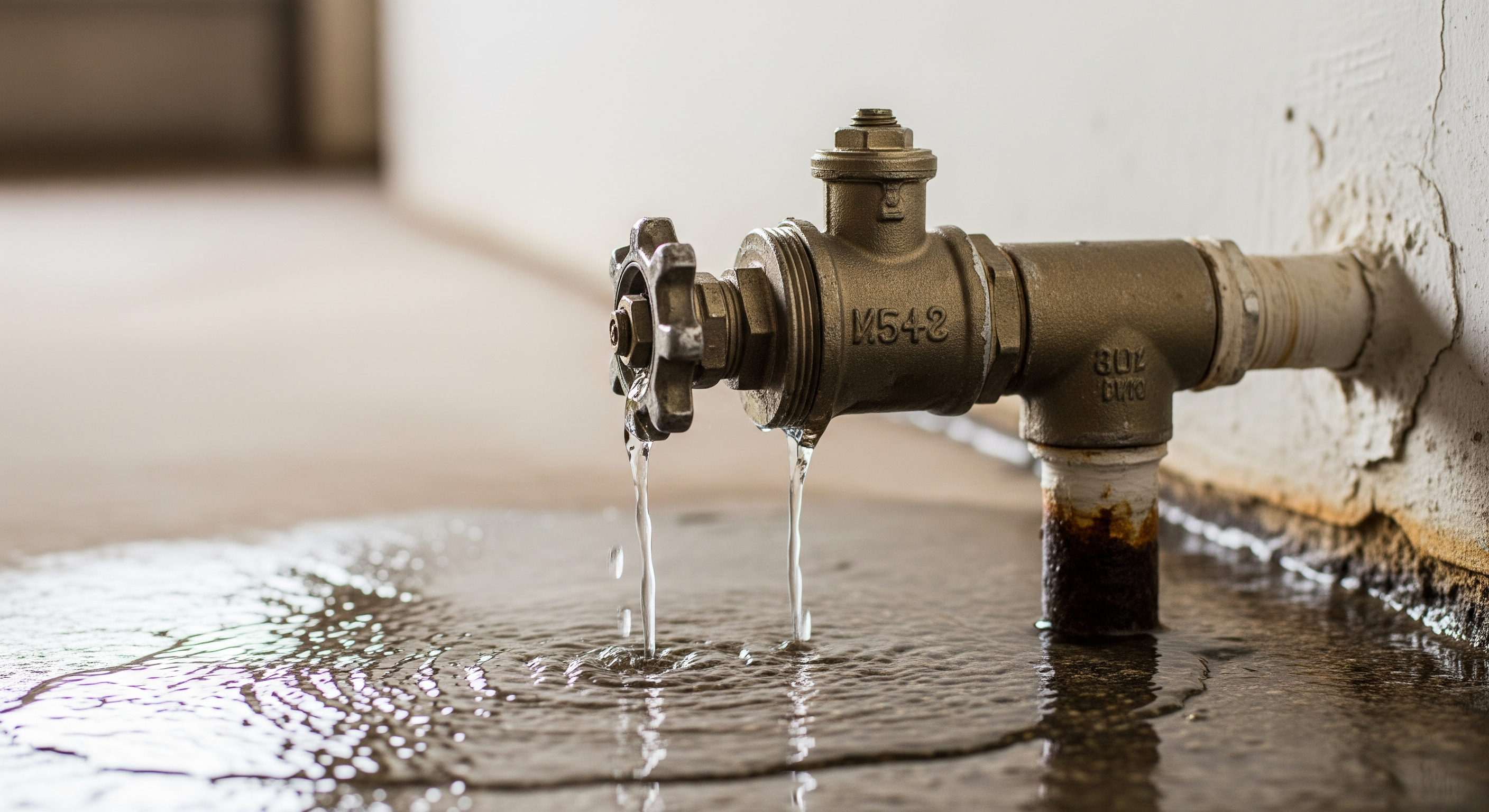
When a pipe bursts, panic often leads homeowners to ask one urgent question:Do I call a plumber or a restoration company first?While a burst pipe plumber is essential to stop the source of the leak, water damage doesn’t stop once the pipe is repaired. Knowing who to call—and when—can make the difference between a minor inconvenience and extensive, long-term damage.
Jump To:
TLDR Quick Guide
- A burst pipe plumber stops the leak, but that’s only part of the solution.
- Standing water and hidden moisture can cause serious damage even after the pipe is fixed.
- Restoration companies handle water removal, drying, and damage prevention.
- Calling the right professional at the right time can save thousands in repairs.
- In many cases, you’ll need both—but the order matters.
What a Plumber Does During a Burst Pipe Emergency
Stopping the water source
A plumber’s primary role is to locate and repair the broken pipe. This may involve shutting off the main water line, replacing damaged sections, or temporarily capping the pipe. Without this step, water damage will continue to worsen.
What plumbers typically don’t handle
Most plumbers do not remove standing water, dry structural materials, or address moisture trapped behind walls. Once the pipe is fixed, their job is usually complete. This is where many homeowners mistakenly assume the problem is solved.
What a Restoration Company Handles After a Burst Pipe
Water extraction and moisture control
Restoration professionals remove standing water and extract moisture from floors, walls, and substructures. This prevents warping, rot, and mold growth. Services likeWater Damage Restorationare designed to address damage beyond what a plumber can resolve.
Drying and damage prevention
Industrial-grade air movers and dehumidifiers are used to dry affected areas thoroughly. Hidden moisture left untreated can lead to mold within 24–48 hours. Proper drying protects both structural integrity and indoor air quality.
Who Should You Call First During a Water Emergency?
If water is actively flowing
If water is still coming out of the pipe and you can’t shut it off, a plumber should be contacted immediately. Stopping the flow is critical before any cleanup can begin. However, restoration should follow quickly.
If the water is already contained
If the water source is shut off or the pipe has already burst and stopped leaking, a restoration company should be your first call. They can begin mitigation immediately to prevent secondary damage. Emergency services likeEmergency Restorationare built for rapid response.
Why Delaying Restoration Can Be Costly
Hidden moisture causes long-term damage
Water seeps into drywall, insulation, and flooring quickly. Even small amounts can cause swelling, mold growth, and structural weakening. Waiting too long dramatically increases repair costs.
Insurance complications
Insurance providers often expect immediate mitigation to prevent further damage. Delays can lead to denied or reduced claims. Restoration companies document moisture levels and damage to support insurance processes.
When You’ll Need Both a Plumber and a Restoration Team
Coordinated response is ideal
In many cases, the best outcome comes from coordinated action. A plumber fixes the pipe while restoration professionals handle cleanup and drying. This minimizes downtime and damage escalation.
Special cases: sewage or contaminated water
If a burst pipe involves sewage or contaminated water, specialized cleanup is required. Services likeSewage Cleanupensure safe removal and sanitation. This goes far beyond standard plumbing work.
Key Takeaways
- A burst pipe plumber stops the leak, but doesn’t address water damage.
- Restoration companies handle drying, moisture removal, and damage prevention.
- The order of calls matters depending on whether water is actively flowing.
- Delayed restoration increases mold risk and repair costs.
- Coordinated response delivers the best outcome during water emergencies.
FAQs
1. Should I always call a plumber first for a burst pipe?
Only if the water is still actively flowing and you can’t shut it off. Stopping the source is critical before cleanup begins. If the water is already off, restoration should start immediately.
2. Can water damage really happen after the pipe is fixed?
Yes—most damage occurs after the leak stops due to trapped moisture. Walls, floors, and insulation can stay wet for days without professional drying. This often leads to mold and structural issues.
3. How fast does mold grow after a burst pipe?
Mold can begin growing within 24–48 hours in damp environments. Even clean water can cause mold if not dried properly. Fast restoration significantly reduces this risk.
4. Will insurance cover restoration services?
Many policies cover water damage mitigation if it’s handled promptly. Restoration companies provide documentation to support claims. Delays can complicate coverage.
5. What should I do while waiting for help to arrive?
Shut off the water source if possible and avoid using electrical outlets near water. Do not attempt to dry hidden areas with household fans. Leave affected materials undisturbed until professionals arrive.