
Basement Water Damage in Denver: Why It Happens and the Fastest Way to Stop It from Spreading
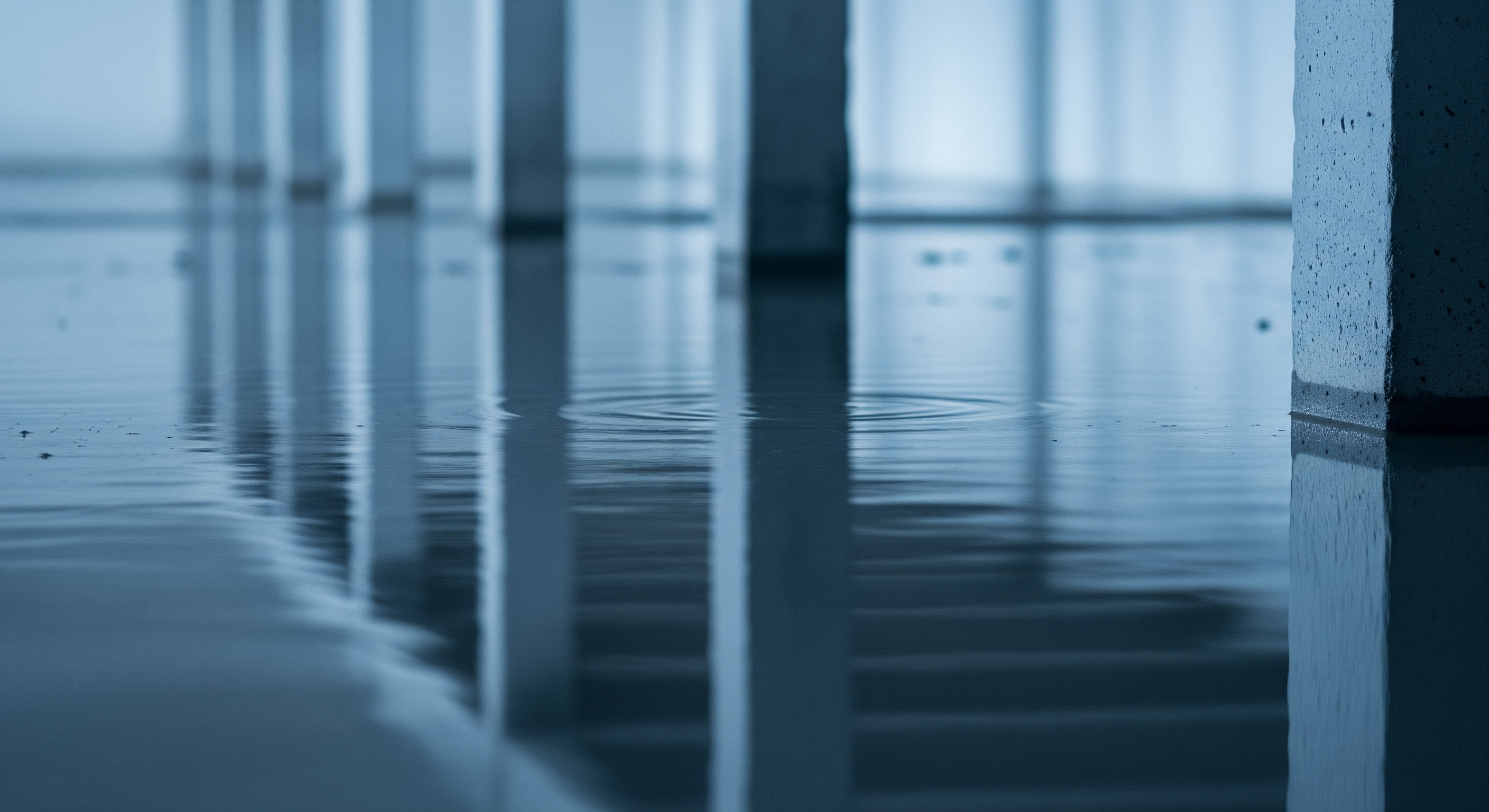
Basement water damage is a growing concern for Denver homeowners, especially with the city’s freeze–thaw cycles, sudden storms, and rising groundwater levels. When water enters a basement, it spreads fast—seeping into walls, flooring, electrical systems, and structural supports. Understanding why it happens and knowing the fastest way to stop it can save you thousands in repairs and prevent long-term health hazards like mold.
For major incidents, many homeowners turn to professional emergency services such as water damage restoration or full-service teams like the specialists at Disaster Experts .
TLDR Quick Guide
- Basement water damage in Denver is often caused by snowmelt, heavy storms, groundwater intrusion, and aging home infrastructure.
- Early signs include musty odors, wall discoloration, and damp flooring.
- The fastest response is immediate water extraction and professional mitigation to stop structural deterioration.
- Ignoring it leads to mold, electrical hazards, and expensive structural repairs.
- Professional emergency restoration teams can stop the spread within hours.
Why Basement Water Damage Happens in Denver
1. Snowmelt and Freeze–Thaw Cycles
Denver’s weather swings from warm daytime temperatures to freezing nights, creating pressure around basement foundations. Melting snow saturates the soil, and when it refreezes, it expands—forcing moisture into cracks. Over time, water finds its way through even the smallest structural weaknesses.
2. Heavy Summer Storms and Sudden Downpours
Flash storms can overwhelm gutters, downspouts, and drainage systems. When water pools around your foundation, hydrostatic pressure forces moisture inward. Basements with poor grading or outdated waterproofing are especially vulnerable.
3. Groundwater Intrusion
Older neighborhoods or homes near low-lying areas often experience rising groundwater. When the soil becomes oversaturated, your basement floor and walls can begin absorbing moisture, leading to steady, hidden damage.
4. Plumbing Failures
Burst pipes, leaking water heaters, and damaged supply lines are common culprits. Because Denver homes often have older plumbing systems, even a small leak can soak flooring and drywall before it’s noticed.
5. Foundation Cracks and Structural Weakness
Small structural cracks become major water entry points during storms or snowmelt. Left untreated, these cracks widen and allow more moisture in—resulting in long-term structural deterioration that may require professional structural repairs .
Fastest Way to Stop Basement Water Damage From Spreading
Step 1: Stop the Source Immediately
Whether it’s a broken pipe, groundwater infiltration, or a backed-up drainage system, prevent new water from entering. Shut off your home’s water supply if plumbing is the issue.
Step 2: Remove Standing Water
Use wet vacuums or pumps for quick extraction. The longer water sits, the more damage it causes to wood, drywall, insulation, and electrical systems.
Step 3: Dry the Area with Industrial-Grade Equipment
Fans, dehumidifiers, and airflow systems are essential. Professional restoration teams dry basements 3–5x faster with commercial-grade equipment.
Step 4: Sanitize and Prevent Mold Growth
Mold can begin growing in as little as 24 hours. Sanitization and antimicrobial treatments prevent long-term health risks.
Step 5: Repair Structural Damage and Restore Safety
Water often weakens flooring, framing, and electrical systems. This is why many homeowners rely on a full-service restoration company such as Disaster Experts for end-to-end recovery.
Key Takeaways
- Denver’s climate and aging infrastructure make basements especially prone to water damage.
- Early detection and immediate water removal are essential to prevent mold and structural issues.
- Flash storms and groundwater pressure are major contributors to basement flooding.
- Professional restoration drastically reduces long-term repair costs.
- Acting fast prevents health hazards and preserves your home’s foundation.
FAQs
1. How quickly can basement water damage turn into a serious issue?
Basement water damage can escalate within hours as moisture spreads into walls, insulation, and flooring. Once materials absorb water, structural weakness begins almost immediately. Within 24–48 hours, mold growth becomes a major risk.
2. Can I dry out a flooded basement on my own?
Homeowners can remove small amounts of water, but most basements require industrial fans and dehumidifiers to dry correctly. Household equipment typically isn’t strong enough to prevent hidden moisture pockets. Incomplete drying often leads to mold or structural deterioration.
3. What are the first signs of basement water damage?
Early indicators include musty odors, peeling paint, damp flooring, and discoloration on walls. You may also hear dripping sounds or notice condensation. The sooner these signs are addressed, the easier the repair.
4. Do I need professional help for minor basement leaks?
Even minor leaks can become major issues if water enters behind walls or flooring. Professionals use moisture meters and infrared scanning to find hidden damage. Early intervention prevents costly future repairs and mold complications.
5. Will insurance cover basement water damage?
Insurance may cover sudden, accidental events like burst pipes, but typically not groundwater intrusion or neglected maintenance. Documentation and fast action improve the chances of approval. Always contact your insurer immediately after discovering damage.